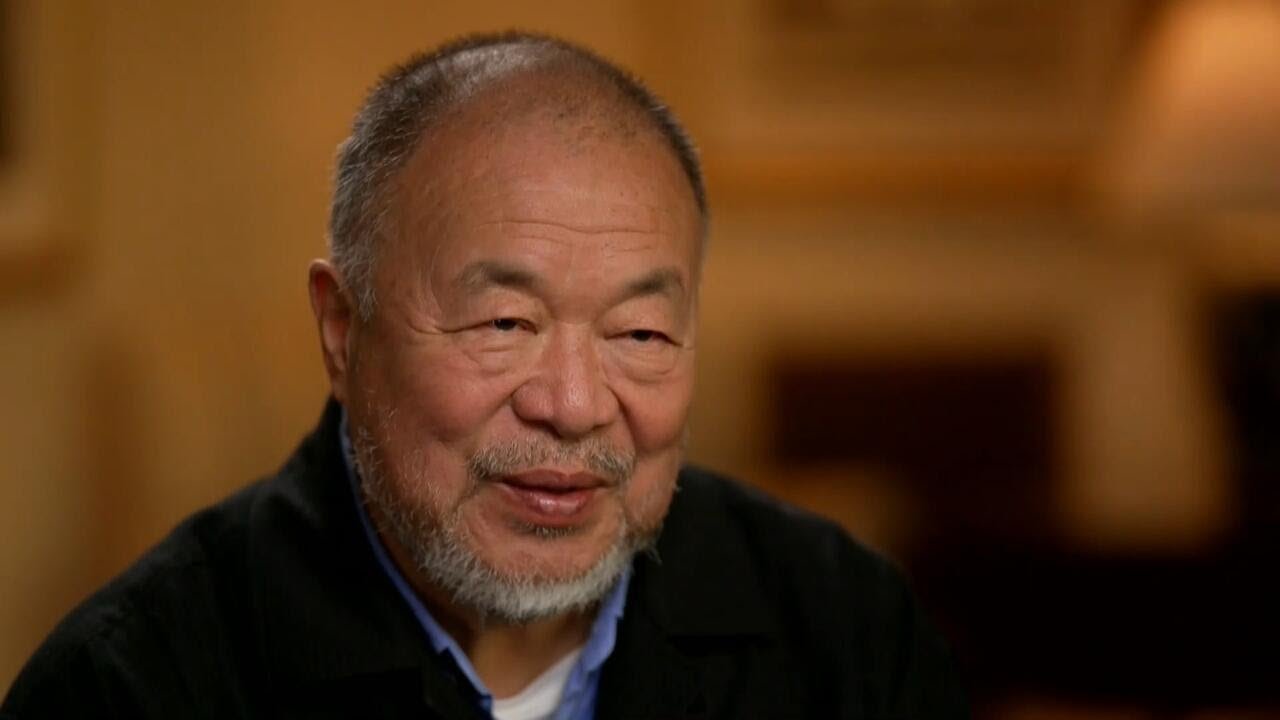
Ai Weiwei, one of the world’s most influential artists, has issued a stark warning about the dangers of censorship, not only in China but also increasingly in the United States and the West. His new book, “On Censorship,” details the extensive interference he has faced from Chinese authorities throughout his career. Known for provocative and sometimes offensive work, Ai Weiwei has consistently challenged censorship by revealing uncomfortable truths. His experiences include being detained, surveilled, and censored, which he documents through his art and writings.
In 2009, Ai Weiwei was taken away by police in Sichuan and later held in secret detention for 81 days in 2011. During this time, he used his art to expose the harsh realities of his confinement, including dioramas of his small cell and constant surveillance by guards. He describes censorship in China as a relentless, 24/7 operation and a tool for mental enslavement. His studio was bugged with listening devices, and he responded by installing his own surveillance cameras, live-streaming his daily life to expose the authorities’ secretive tactics, which ultimately led to police demanding he shut down the stream.
Ai Weiwei left China in 2015 to protect his young son but returned in late 2023 to visit his elderly mother. Despite being detained and interrogated upon arrival, he describes his visit as pleasant and meaningful, highlighting moments of family connection. However, he notes that censorship in China is so sophisticated that many people do not even recognize him, effectively rendering him a “person who exists and does not exist.” This disappearance from public consciousness is facilitated by advanced AI censorship tools that avoid discussing him altogether.
Having lived in New York for 12 years and maintaining studios in China and Portugal, Ai Weiwei observes that censorship is worsening in the West. He criticizes Western societies for neglecting fundamental human rights such as freedom of speech, often without public awareness. Using the metaphor of a fish in a tank believing it is the ocean, he suggests that many people are unaware of the extent of censorship and control around them. His nomadic lifestyle reflects his status as a “moving target,” constantly adapting to avoid repression.
Despite the challenges and dangers he faces, Ai Weiwei remains calm and resolute, embracing uncertainty and surprise as part of life. He expresses a deep commitment to returning to China as long as his mother is alive, underscoring the personal stakes involved. His outlook combines a profound acceptance of risk with a powerful dedication to truth and artistic freedom. His story and insights serve as a compelling reminder of the ongoing global struggle against censorship and the importance of vigilance in defending free expression.