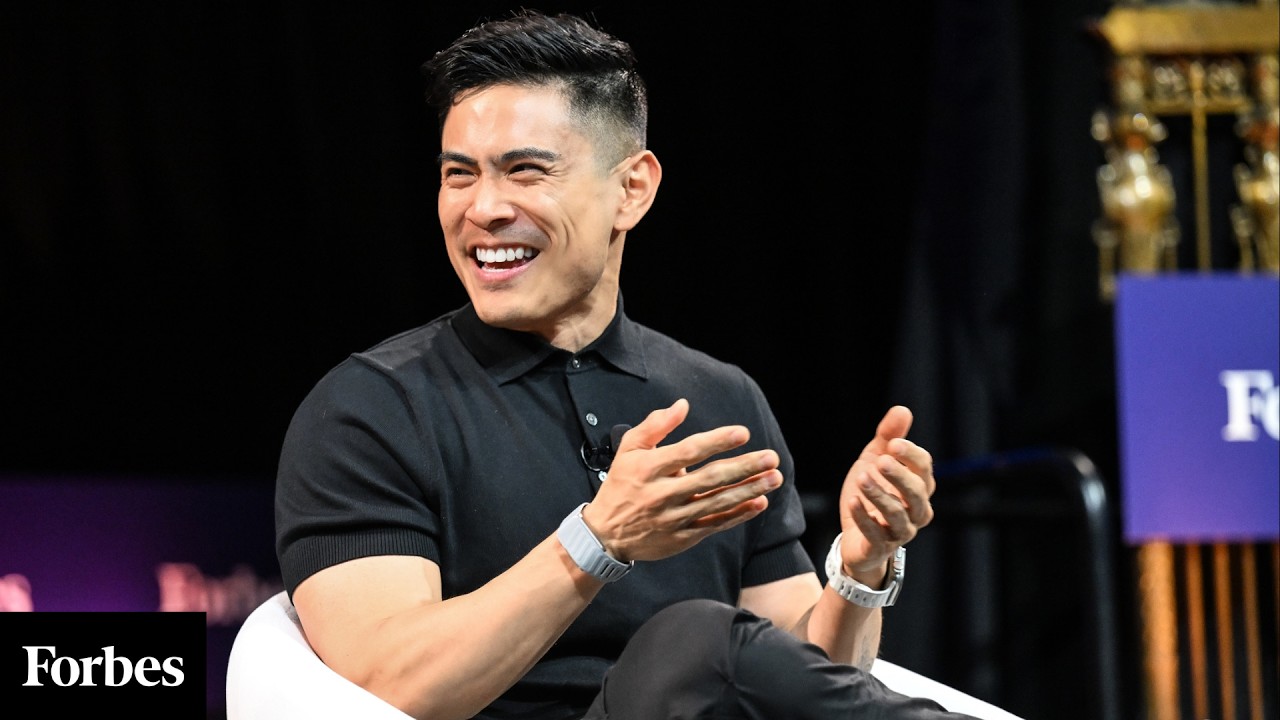
The panel discussion centers on the evolving value of human qualities in an age increasingly dominated by AI and automation. The speakers emphasize that while AI excels at optimizing measurable tasks, it struggles to grasp intangible human elements such as relationships, trust, and brand identity. These human-centric attributes, often overlooked by machines, are becoming the new sources of competitive advantage or “alpha” in business and creativity. The panelists argue that human connection and emotional complexity remain irreplaceable, making these qualities more valuable as AI takes over routine functions.
Trust, belonging, and human fallibility are highlighted as uniquely human traits that AI cannot replicate. One speaker reflects on the paradox that human imperfections and unpredictability fuel creativity and cultural innovation, aspects that AI, which aims to minimize errors, cannot authentically reproduce. This unpredictability is evident in art, entertainment, and social dynamics, where success often arises from unexpected or discordant elements. The discussion also touches on how human emotions and contradictions drive engagement and influence, contrasting with AI’s logical and error-averse nature.
From a business perspective, the panelists explore how the attention economy is fundamentally about capturing human focus, which remains a finite and highly valuable resource. They note that AI’s disruption of traditional advertising and search models could reshape entire industries reliant on online attention. Live events, community-driven experiences, and brands that foster genuine human proximity and rituals are seen as promising investment areas. The importance of credible expertise and authentic brand identity is underscored, especially as audiences become more discerning and seek meaningful engagement beyond superficial content.
The conversation also addresses societal implications, including the growing divide between those who benefit from technological advances and those left behind. The panelists warn of increasing inequality and social unrest as AI-driven automation threatens traditional employment without proportional job creation. They stress the need for awareness and proactive measures to address these disparities, highlighting the broader economic and social challenges accompanying the AI revolution. This perspective adds a sobering dimension to the otherwise optimistic discussion about human uniqueness and creativity.
In conclusion, the panelists foresee a future where human attention and connection remain central to culture and commerce, despite AI’s growing capabilities. They predict a bifurcation where people either deepen their engagement with authentic human experiences or risk isolation through overreliance on AI interactions. The emphasis is on leveraging AI as a tool to enhance human potential rather than replace it, with a call to preserve and invest in the human elements that machines cannot replicate. Ultimately, the discussion champions human creativity, trust, and community as enduring assets in the machine age.