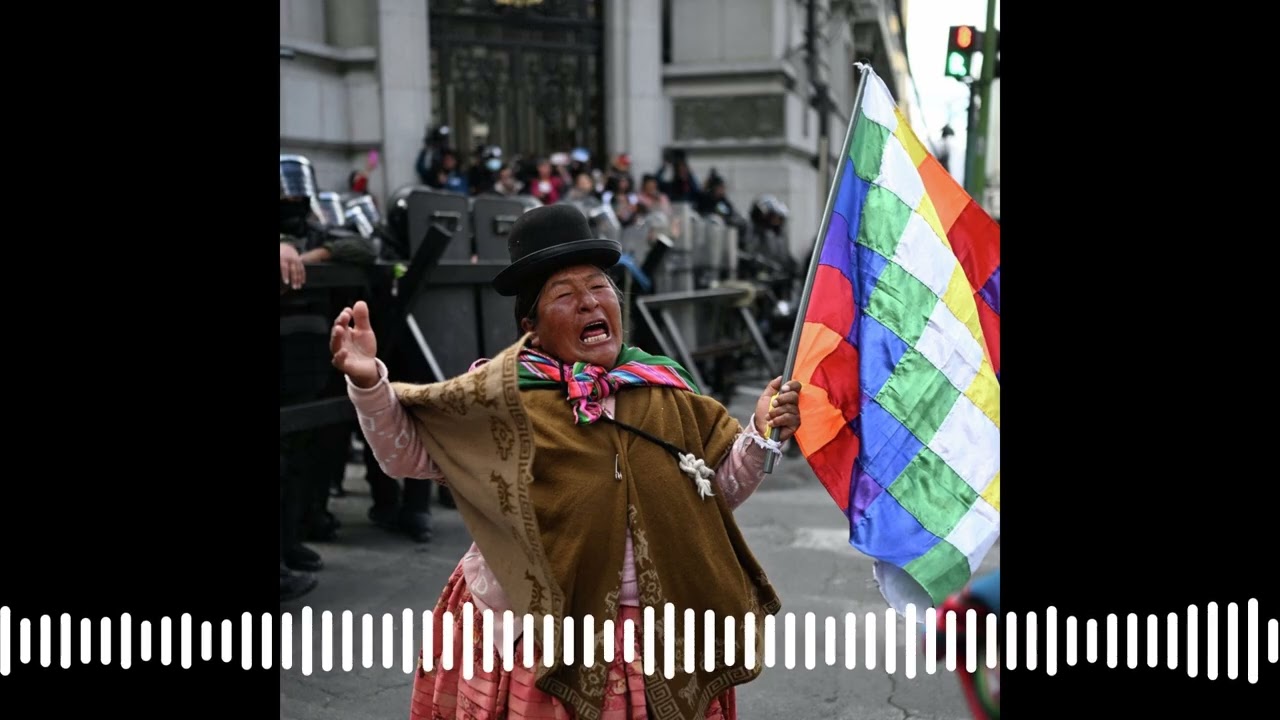
Bolivia has recently undergone a significant political shift with the election of Rodrigo P., a centrist president ending nearly two decades of socialist rule under Evo Morales. President P. has promised national unity and economic reform aimed at attracting foreign investment, particularly in Bolivia’s vast natural resources like lithium and rare earth minerals. However, his tenure has been marred by widespread protests triggered by the removal of fuel subsidies, leading to sharp increases in gasoline prices and public outrage over poor-quality fuel. These protests have included blockades, attacks on government buildings, and demands for his resignation, reflecting deep frustration among Bolivians struggling with inflation, debt, and economic hardship.
A key focus of President P.’s economic agenda is the development of Bolivia’s lithium reserves located beneath the Salar de Uyuni, the world’s largest salt flat. Lithium is critical for batteries used in electronics and electric vehicles, and Bolivia’s reserves could potentially transform the country’s economy. However, local communities and environmentalists express concerns about the environmental impact of lithium mining, particularly the heavy water usage that threatens local agriculture and the preservation of the unique landscape that supports tourism. This tension highlights the ongoing challenge of balancing economic development with environmental sustainability and social equity.
Bolivia’s history of resource extraction is fraught with distrust and skepticism toward foreign investment, rooted in centuries of exploitation dating back to colonial times. Despite constitutional provisions for state ownership of mineral resources, mining laws have often alienated local communities and hindered large-scale projects. Foreign investors remain cautious due to concerns about government interference and unclear legal protections. President P. aims to change this perception by offering a more investor-friendly environment, but rebuilding trust and establishing a stable legal framework will take time and consistent policy efforts.
The legacy of Evo Morales’s socialist government continues to influence Bolivia’s political landscape. Morales centralized power and expanded state control over the economy, which some blame for the current economic crisis and protests. Unions and opposition groups, many aligned with Morales, have taken a hardline stance against President P., organizing prolonged blockades that disrupt transportation and supply chains. The government’s response has been criticized as ineffective, with calls for stronger measures including potential states of emergency to restore order. This ongoing conflict underscores the deep divisions within Bolivian society and the challenges facing the new administration.
In a remote interview conducted amid the unrest, President P. expressed his vision for a modern, pluralistic Bolivia integrated into the global economy. He highlighted the country’s mineral wealth and the need to move beyond past economic failures to achieve growth and development. The United States has shown support for his administration, signing agreements on critical minerals and encouraging investment. However, with inflation high and protests continuing, Bolivia’s path forward remains uncertain. The government is seeking international financial aid and pushing for reforms, but the success of these efforts will depend on its ability to manage social unrest and build confidence among both citizens and investors.