In the video, ASML CEO Christophe discusses the enduring importance of lithography in semiconductor manufacturing. He emphasizes that lithography will always be essential because it directly impacts resolution, accuracy, and productivity in chip production. Thanks to Extreme Ultraviolet (EUV) technology, ASML has a clear roadmap for the next 10 to 15 years, with ongoing innovations aimed at improving cost efficiency and transistor density. Looking further ahead, ASML is preparing to introduce a higher numerical aperture tool called Hyper NA around the middle of the next decade, which will further enhance lithography capabilities.
Christophe also highlights the growing significance of advanced and 3D packaging technologies. These approaches allow semiconductor components to be stacked vertically, akin to skyscrapers, rather than spread out flat. This is crucial because customers, especially in AI sectors like Nvidia, are demanding transistor density increases far beyond traditional Moore’s Law, aiming for a 16-fold increase every two years. While lithography continues to push the limits of transistor density per unit area, advanced packaging is necessary to meet the escalating demands for performance and integration.
The CEO explains ASML’s strategic investment in Mistral, a leading European large language model company, reflecting the company’s recognition of AI as a major opportunity. ASML invests heavily in R&D, including software development, and sees AI as a tool to improve efficiency in product development and maintenance. AI can help reduce the time engineers spend on documentation and procedures, freeing them to focus on integration and innovation. Additionally, ASML’s products generate vast amounts of data, which AI can leverage to enhance performance and reliability.
Addressing concerns about an AI bubble, Christophe distinguishes between industrial AI’s long-term value and the stock market’s speculative excitement. He believes the industrial impact of AI is just beginning and will continue positively for many years. While some companies have seen inflated valuations due to AI hype, the broader industry is expected to expand with more players designing chips and products, which will drive sustained demand for ASML’s lithography equipment. The massive investments by hyperscalers, amounting to hundreds of billions of dollars, will translate into real orders for ASML over time as chip demand grows.
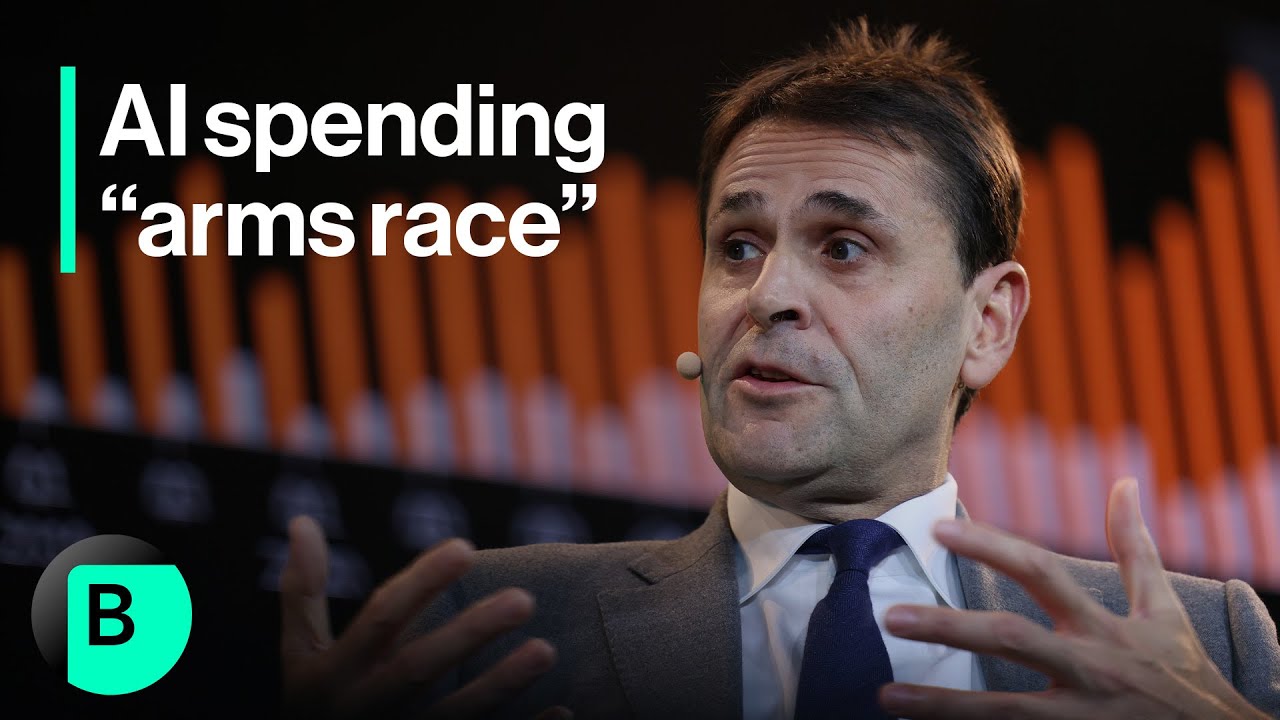
Finally, Christophe touches on the competitive and fast-paced nature of AI-related investments, describing it as an “arms race” where companies and governments must continually invest to stay relevant. While this rapid innovation cycle can lead to asset depreciation and some players potentially losing out, the overall opportunity is vast. He anticipates more entrants into the market initially, followed by eventual consolidation as the industry matures. Despite the risks, ASML sees the AI-driven semiconductor boom as too significant for companies to ignore, ensuring ongoing demand for their advanced lithography technologies.