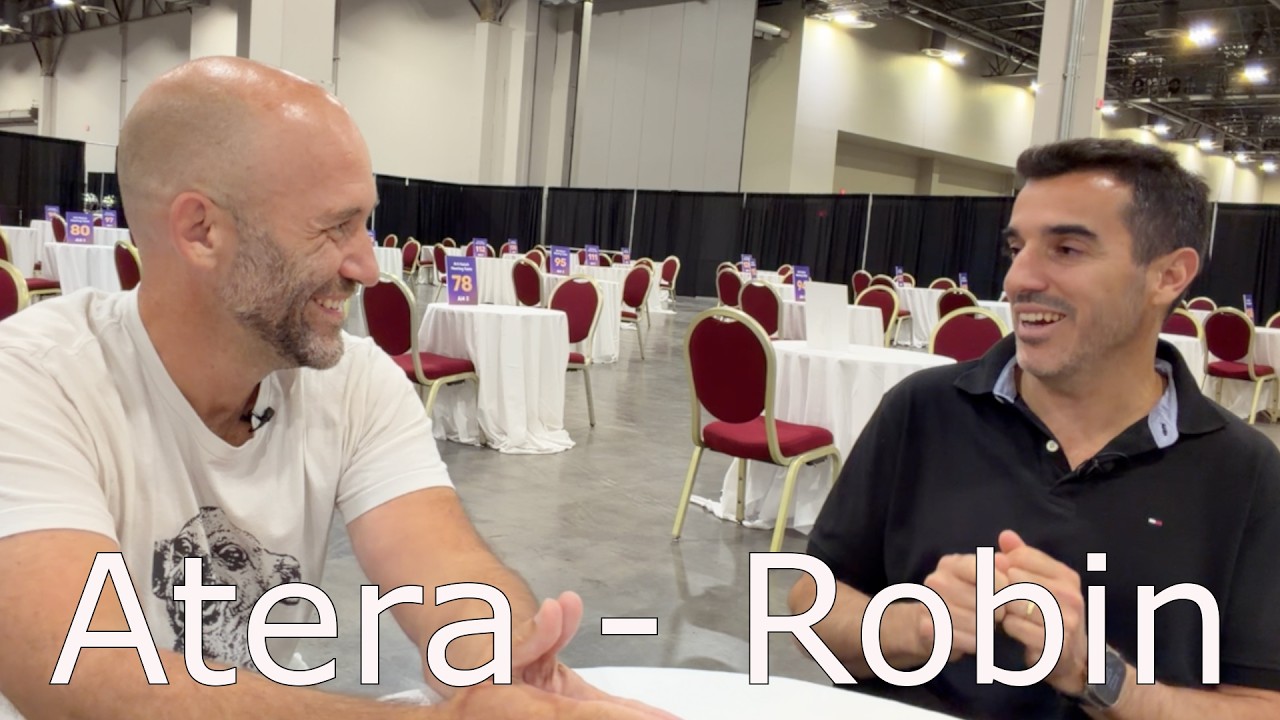
In this interview, Oshri Moyal, co-founder and CTO of Atera, introduces Robin, an AI-powered technician designed to revolutionize IT support by providing 24/7 assistance for common and company-specific technical issues. Unlike traditional AI help desks, Robin acts like a human technician, diagnosing and resolving problems such as printing errors, login issues, and software malfunctions without the delays typically associated with human intervention. The system leverages Atera’s extensive remote monitoring and management (RMM) tools, allowing the AI to select appropriate actions from a secure, pre-approved repository of scripts and diagnostics rather than generating potentially risky commands on the fly.
Robin operates through a cloud-based platform integrated with Atera’s RMM agents installed on client machines. The AI uses large language models (LLMs) from Microsoft’s Azure OpenAI service to reason through problems and select the right tools to fix them. While the AI handles reasoning and decision-making, all executable actions come from a carefully curated and tested library to ensure security and compliance. This approach mitigates risks such as accidental data loss or unauthorized system changes, with additional safeguards like user confirmations for higher-risk operations.
The system is designed to continuously learn and adapt, with new tools and scripts added both globally by Atera and locally by customers to address unique company-specific challenges. For example, a casino client automated a complex password reset process on an old IBM AS400 server, eliminating costly downtime. Robin’s development involves a large R&D team of around 80 engineers, reflecting the complexity of integrating AI with traditional IT management tools and maintaining high standards of security, privacy, and compliance across multiple geographic regions.
Moyal emphasizes that while AI is a critical component, Robin also relies heavily on traditional automation and monitoring techniques refined over 15 years. The AI enhances these by better understanding user intent and context, improving issue resolution rates and adherence to company policies. The team continuously evaluates new AI models to upgrade Robin’s capabilities, balancing improvements in performance with the significant engineering effort required to adapt to changes in AI APIs and behavior.
Finally, Moyal offers career advice for engineers interested in AI, highlighting the importance of leveraging AI tools to maximize productivity rather than focusing solely on coding. He encourages professionals to develop skills in activating and integrating AI agents, understanding customer needs, and automating workflows. Robin’s success story illustrates how AI can augment IT support effectively when combined with robust automation, security practices, and human oversight, making it a promising solution for modern enterprises.