The upcoming major shopping days are expected to see record-breaking sales, with the National Retail Federation projecting over $1 trillion in sales for the first time. Shopping habits have shifted significantly from traditional in-store experiences to online purchases. A new wave of AI agents, such as Meta’s Muse, ChatGBT Dots, XAI’s Grok Bot, and Claw Duet, are emerging to assist shoppers by autonomously completing tasks like finding and purchasing products based on user preferences, streamlining the shopping process.
However, these AI agents cannot access every online retailer. For instance, Amazon currently prohibits AI agents from accessing its site, limiting the agents’ ability to find all available products or the best deals. Conversely, some retailers like Walmart, Etsy, Wayfair, and Target are collaborating with Google to develop the Universal Commerce Protocol, a standard designed to facilitate AI agents’ access to inventory and enable them to make payments on behalf of users more efficiently.
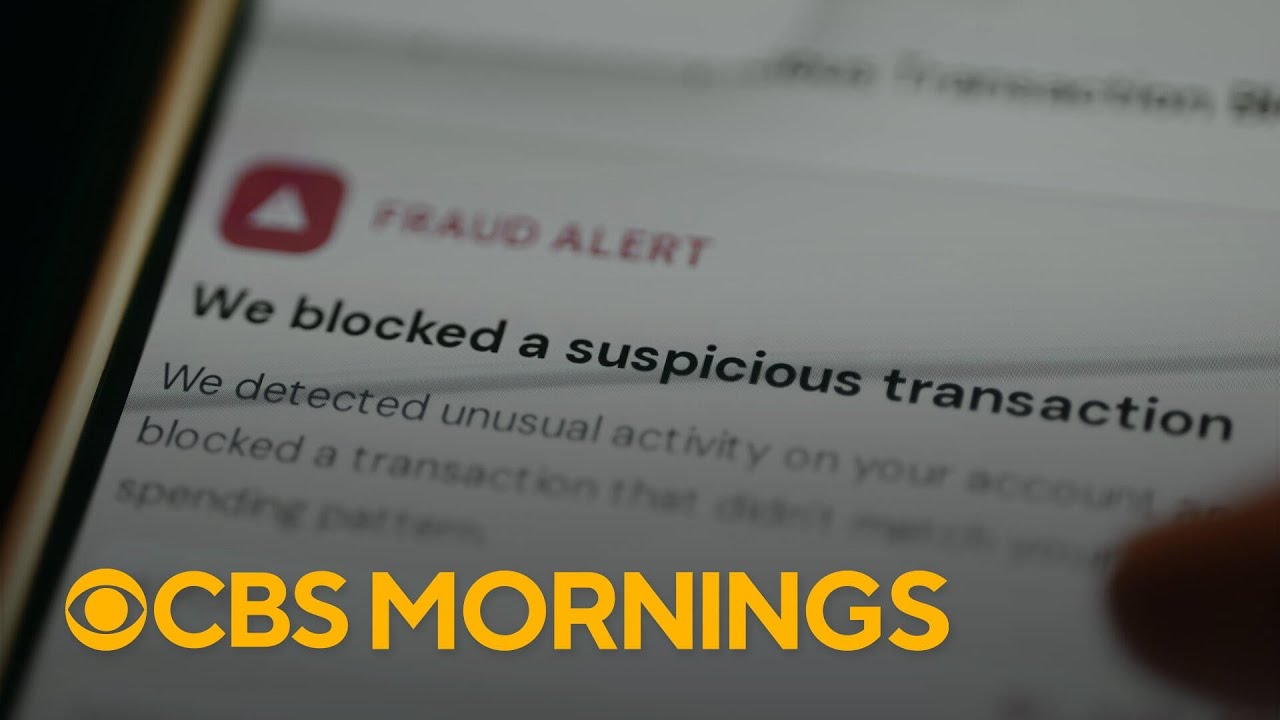
There are important considerations regarding responsibility and refunds if an AI agent makes a mistake or purchases an unauthorized item. While federal laws protect consumers against unauthorized charges in traditional transactions, it is unclear if these protections fully apply when an AI agent acts on behalf of a user. Additionally, tech companies may limit reimbursement amounts, so users should carefully review the terms and conditions of any AI shopping agent they use.
Privacy concerns also arise with the use of AI shopping agents. Even if users revoke access to sensitive information, the AI may retain data it has already gathered about the user and their contacts, potentially affecting people who have not consented to AI interactions. Another risk is prompt injection, where malicious actors embed harmful instructions into content to manipulate AI agents into revealing personal information or making unauthorized purchases. While companies can monitor AI activity and involve humans to mitigate risks, prompt injections cannot be entirely prevented.
In summary, AI agents have the potential to simplify holiday shopping by automating product searches and purchases, but users should be aware of limitations, privacy risks, and unclear liability issues. Understanding where the AI shops, the protections available, and the terms of service is crucial before entrusting an AI agent with your shopping tasks. Being informed will help ensure a safer and more satisfactory shopping experience during the busy season.
Useful Links