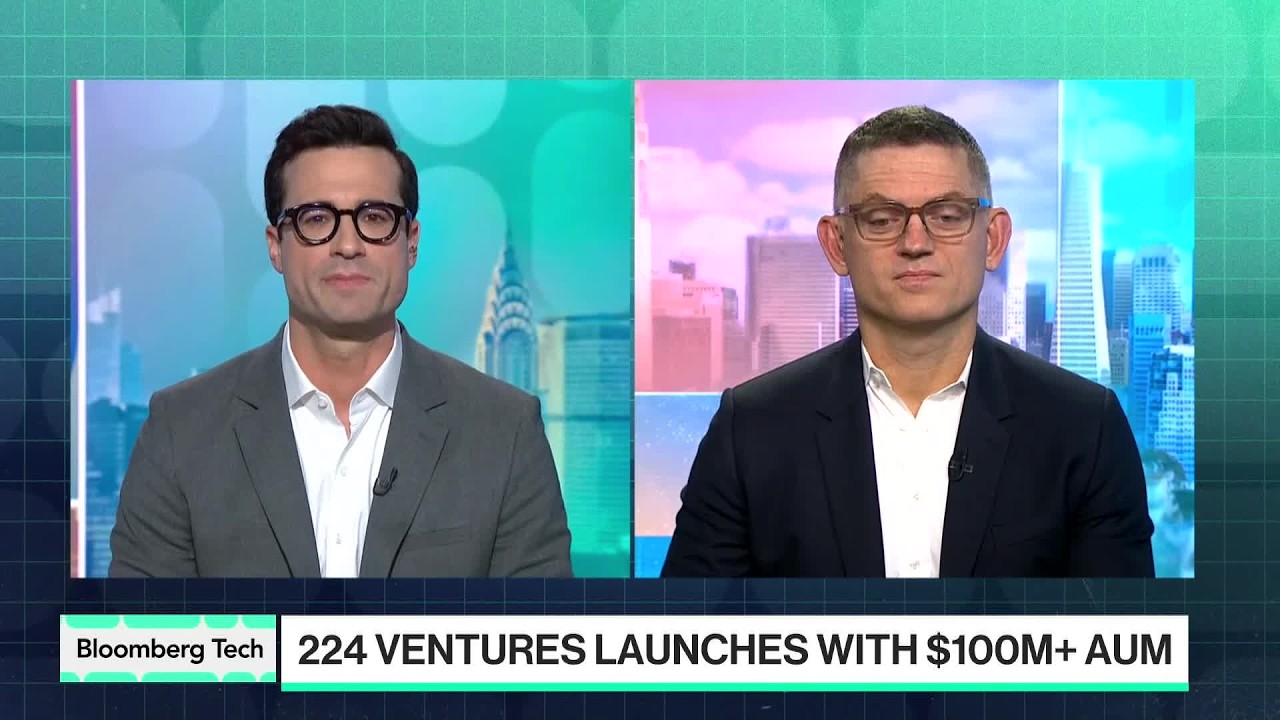
The discussion begins with an exploration of the current AI investment landscape, highlighting the challenge of finding “white space” or nonconsensus opportunities in a market dominated by major players like OpenAI and Anthropic. The speaker emphasizes the importance of identifying unique founder stories that, while initially uncertain, have the potential to transform industries and establish market leadership. Despite the noise around big AI firms, there remain significant opportunities in emerging areas, exemplified by Anthropic’s recent $6 billion acquisition of Descartes AI, a company not widely known outside the industry.
Looking ahead, the conversation identifies several promising sectors within AI, particularly the future of work. Beyond chatbots, there is a growing focus on AI performing actual jobs with human oversight, marking the early stages of this evolution. Robotics, both in consumer and business contexts, presents a fragmented market ripe for innovation. Additionally, the development of infrastructure to support AI agents across various applications is just beginning, signaling substantial growth potential in these foundational technologies.
Addressing concerns about AI’s impact on employment, the speaker rejects the notion of a zero-sum game where productivity gains come at the expense of jobs. Instead, they foresee a transformation in the nature of work, with AI taking over mundane tasks and humans moving toward more engaging, higher-leverage roles. While acknowledging the need for reskilling and the challenges of transition, the outlook remains optimistic about the creation of new job opportunities and the overall enhancement of the workforce.
On the topic of fundraising, the firm has successfully raised $100 million in just two months, reflecting strong investor interest in early-stage AI ventures. The fundraising strategy is flexible, accommodating both large-scale raises for frontier companies and smaller, capital-efficient startups. Geographically, while Silicon Valley remains the dominant hub for AI innovation, other cities like New York, Toronto, Paris, London, and Tel Aviv are also emerging as important centers. The conversation also touches on the geopolitical complexities involving China and the importance of attracting global talent to maintain the United States’ leadership in AI research.
Finally, the discussion highlights the value of having deeply connected AI experts like Jan Lacquaun and Oriel Vignoltz as partners in the venture firm. Their embeddedness in the AI ecosystem provides critical community access and early-stage insights, enabling the firm to engage with promising founders from the inception of their ideas. This network, combined with the team’s experience and connections to leading AI research institutions, positions the firm to identify and support the next wave of transformative AI companies.