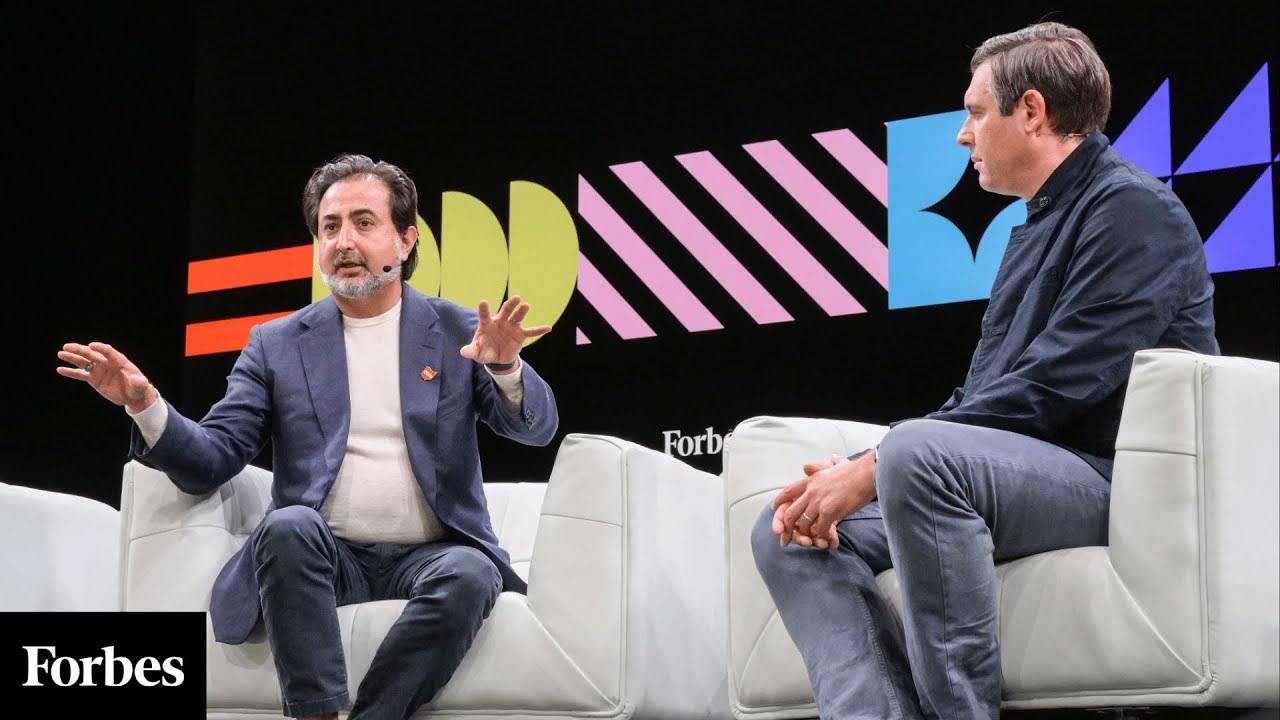
In this insightful discussion, Hemant Taneja, CEO of General Catalyst, shares his perspective on the profound impact AI is having on technology and society. He emphasizes that the current moment represents a historic technological shift, comparable to or even surpassing the advent of the internet and mobile computing. Taneja describes AI as a “second species”—an intelligent, complementary force that will work alongside humans, transforming how we work and live over the next several decades. This symbiotic relationship between humans and AI agents will redefine societal norms and create new opportunities for abundance and efficiency.
Taneja highlights the evolving nature of work, where AI agents and humans will collaborate in complex ways, sometimes managing each other. He believes that trust in AI will be crucial, especially as AI systems take on more sophisticated roles, such as in healthcare diagnostics, where AI can outperform humans in identifying issues and guiding empathetic treatment. This growing reliance on AI will unlock problem-solving capabilities beyond human limits, fundamentally changing industries and job functions.
When evaluating startups and founders, Taneja looks for humility, adaptability, and the ability to navigate ambiguity. He stresses that no one truly knows the future, especially in such a rapidly changing technological landscape. Founders must be iterative, open to learning, and capable of building deep trust with customers, particularly as AI-driven products require transparency, accountability, and explainability. The most durable companies will be those that closely partner with customers to solve real problems and adapt to ongoing technological shifts, rather than merely wrapping existing AI models in superficial ways.
Taneja also discusses the competitive landscape, noting that while massive companies invest heavily in AI infrastructure, startups can carve out durable moats by leveraging proprietary data and solving domain-specific problems, especially in regulated industries like healthcare. He advises founders to focus on building AI-native businesses that integrate deeply with customer needs and data, creating unique value that large, general-purpose AI models cannot easily replicate.
Looking ahead, Taneja predicts that within five years, many white-collar jobs will be fundamentally transformed or replaced by AI, particularly in areas like call centers, legal services, and HR. He foresees AI-driven automation delivering more empathetic and efficient customer interactions. This rapid change raises important societal questions about workforce retraining and job creation, which Taneja believes should be addressed intentionally. The conversation closes with a call to action for entrepreneurs and society to thoughtfully engage with these challenges and opportunities as AI continues to reshape the future.