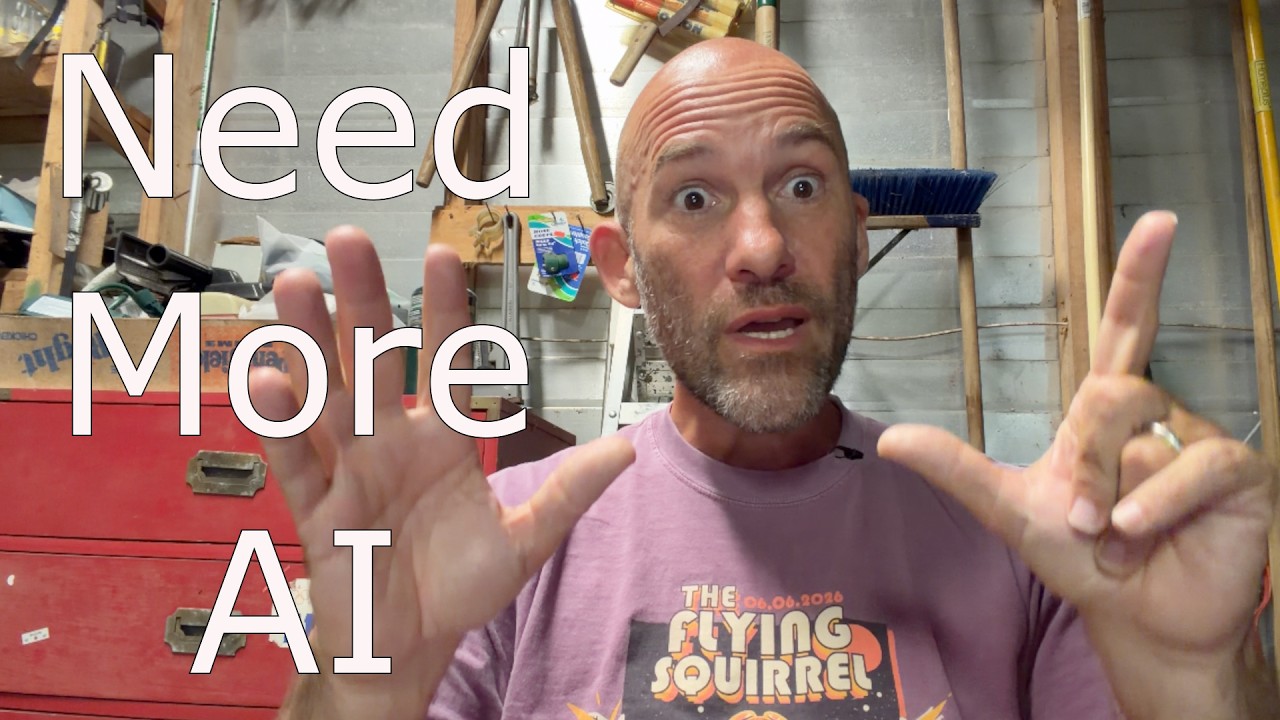
The video discusses the current hype and perceived “almost unlimited” demand for artificial intelligence (AI) as claimed by tech executives, particularly citing Pat Gelsinger, former Intel CEO. Despite this optimistic outlook, the speaker argues that the enthusiasm for AI is largely driven by executives who view AI as a dream or an idea rather than a technology with clear, tangible value. Many businesses are becoming more cautious about AI spending, with companies like Uber, Microsoft, Meta, and Tesla imposing spending caps due to a lack of clear return on investment. This cautious approach contrasts with the narrative that AI demand is insatiable.
The speaker highlights a disconnect between the promised value of AI and its actual impact on everyday life. For example, streaming platforms like Netflix, despite using AI for recommendations, often fail to deliver truly personalized or outstanding content suggestions. Similarly, AI has yet to revolutionize sectors like healthcare or housing in meaningful ways. The speaker emphasizes that many of the challenges in these areas—such as zoning laws in housing or human behavior in food consumption—are not problems that AI alone can solve. Instead, AI’s role is often limited to incremental efficiency improvements rather than transformative change.
A significant point made is the contrast between the tech industry’s perception of AI’s importance and the reality of societal needs. The speaker stresses that the true value in society comes from people doing essential work—farmers, builders, educators, healthcare providers—not from the technology professionals who support them. The tech community, according to the speaker, is often insulated and disconnected from the practical realities of these industries. This disconnect leads to an overestimation of AI’s potential and an underappreciation of the hard, often mundane work required to make real progress.
The video also critiques the culture within the tech industry, where there is a tendency to equate talking and planning with actual work. The speaker points out that real-world progress requires sustained effort over long periods, not just continuous discussions or AI-driven solutions. Using examples like marathon training and farming, the speaker illustrates that AI can provide helpful advice but cannot replace the consistent, repetitive labor necessary for success. This perspective challenges the notion that AI demand is unlimited, suggesting instead that the practical applications of AI are more limited and context-dependent.
Finally, the speaker questions the allocation of resources, noting the vast amounts of money being poured into AI development while critical sectors like healthcare remain underfunded and problematic. This disparity raises concerns about priorities and the real-world impact of AI investments. The video concludes by inviting viewers to reflect on these issues and consider the balance between AI hype and practical value, emphasizing the need for grounded, realistic approaches to technology adoption and societal progress.