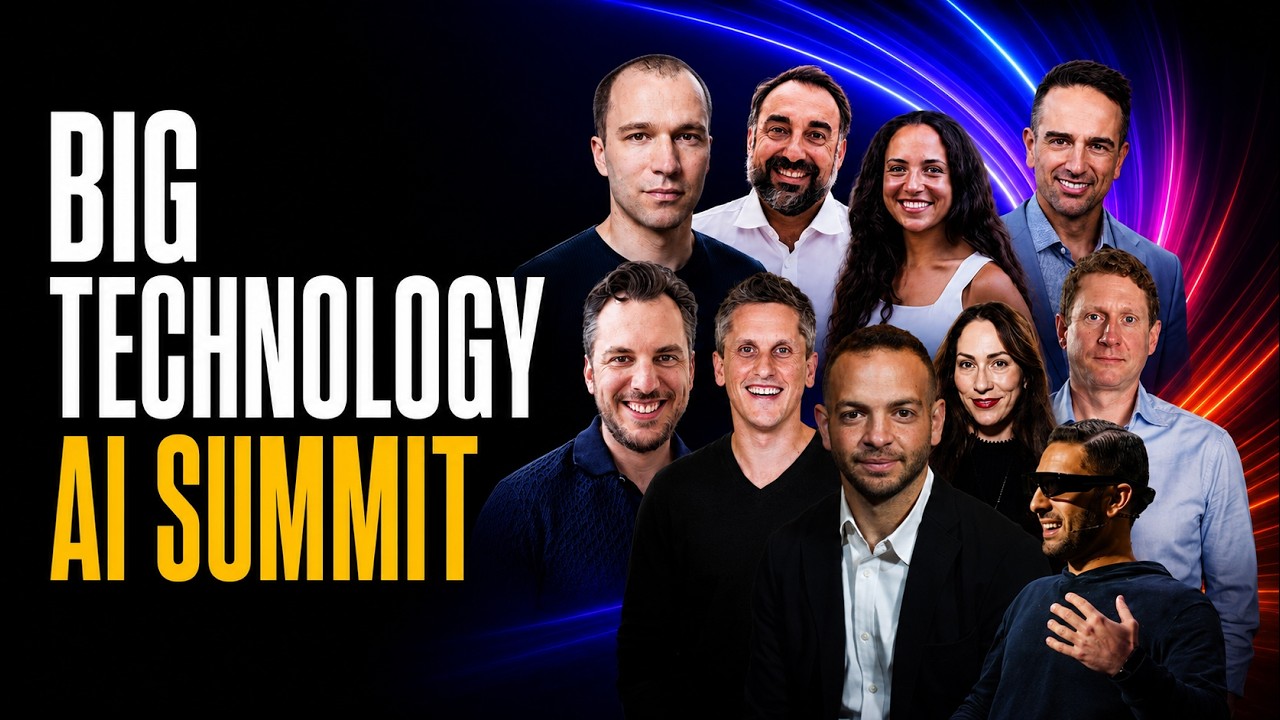
The Big Technology AI Summit features leaders like Greg Brockman, Mike Krieger, and Aaron Levie discussing the transformative impact of AI advancements such as GPT-3 and GPT-4 on industries, productivity, and society, emphasizing responsible development, transparency, and collaboration. They highlight the opportunities and challenges of AI adoption, including ethical considerations, user trust, and workforce adaptation, while expressing optimism about AI’s potential to augment human capabilities and drive positive change.
The Big Technology AI Summit features prominent figures such as Greg Brockman, Mike Krieger, Aaron Levie, and other influential voices in the AI and tech community. The discussion centers around the rapid advancements in artificial intelligence, particularly focusing on the transformative impact of models like GPT-3 and GPT-4. The speakers explore how these technologies are reshaping industries, enhancing productivity, and raising important ethical and societal questions. They emphasize the importance of responsible AI development and the need for collaboration between companies, policymakers, and researchers to navigate the challenges ahead.
Greg Brockman highlights the technical breakthroughs that have enabled recent AI progress, including improvements in model architecture and training techniques. He discusses OpenAI’s mission to ensure that artificial general intelligence benefits all of humanity and stresses the significance of transparency and safety in AI deployment. Brockman also touches on the potential for AI to augment human creativity and problem-solving, suggesting that the technology can serve as a powerful tool rather than a replacement for human intelligence.
Mike Krieger shares insights from his experience co-founding Instagram and his current involvement in AI ventures. He reflects on the parallels between the early days of social media and the current AI landscape, noting how user adoption and trust are critical factors for success. Krieger underscores the importance of building AI systems that are not only powerful but also accessible and user-friendly, enabling a broader range of people to benefit from these innovations.
Aaron Levie brings a perspective from the enterprise software world, discussing how AI is transforming business operations and workflows. He explains how companies are integrating AI to automate routine tasks, improve decision-making, and unlock new revenue streams. Levie also addresses the challenges organizations face in adopting AI, such as data privacy concerns and the need for upskilling employees to work effectively alongside intelligent systems.
Throughout the summit, the panelists engage in a candid conversation about the future of AI, including regulatory considerations, the balance between innovation and risk, and the societal implications of widespread AI adoption. They advocate for ongoing dialogue among stakeholders to ensure that AI technologies are developed and deployed in ways that are ethical, equitable, and aligned with human values. The event concludes with a shared optimism about AI’s potential to drive positive change while acknowledging the responsibility that comes with such powerful tools.