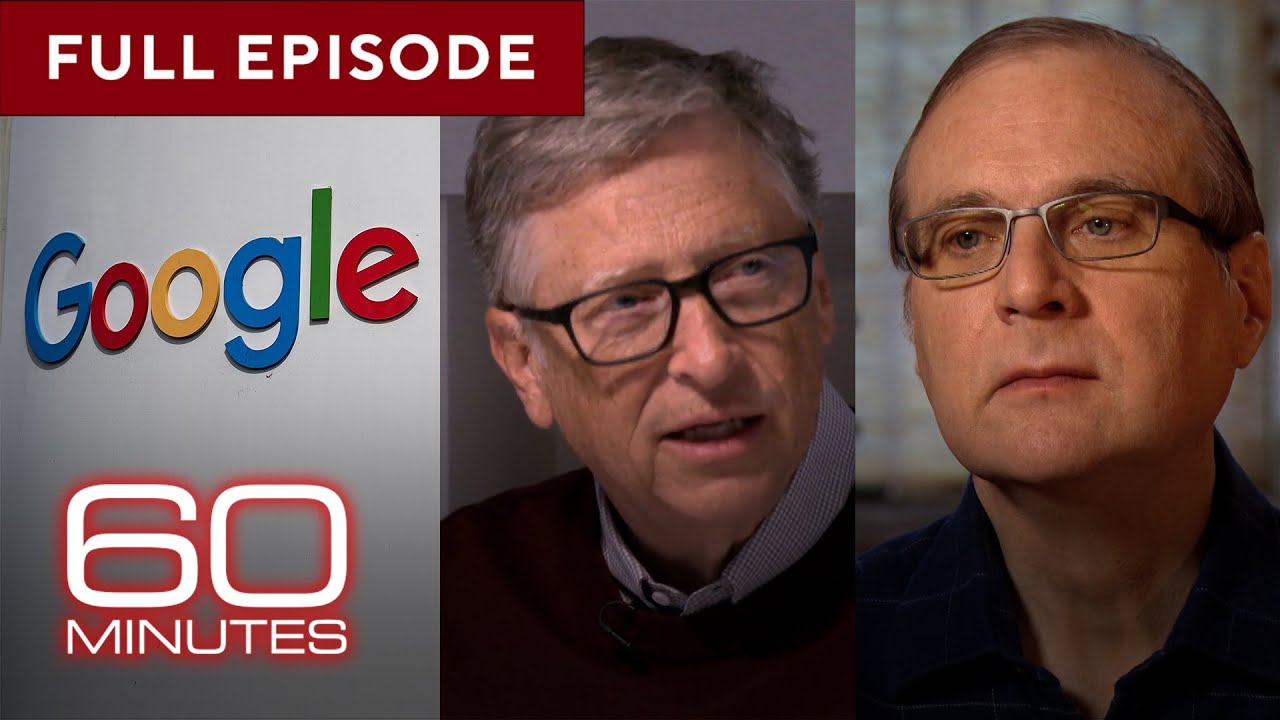
The video begins by focusing on Bill Gates and his efforts to combat climate change, a challenge he describes as the toughest humanity has ever faced. Gates emphasizes the need for unprecedented global cooperation, scientific breakthroughs, and technological innovations over the next 30 years to achieve zero greenhouse gas emissions. He highlights the extensive changes required across all sectors of the economy, from manufacturing and agriculture to transportation and construction, illustrating this with examples like cement production and plant-based meat alternatives. Gates has invested billions in green technologies and supports increased government funding for climate research, underscoring the importance of innovation to prevent catastrophic climate impacts.
The narrative then shifts to Paul Allen, co-founder of Microsoft alongside Gates, who has recently published a memoir titled “Idea Man.” Allen offers a candid and sometimes harsh portrayal of his relationship with Gates, describing intense conflicts and Gates’s demanding management style. Despite their differences and Allen’s eventual departure from Microsoft, he acknowledges the profound impact their partnership had on the personal computer revolution. Allen’s post-Microsoft life is marked by diverse interests, including philanthropy, music, sports team ownership, and scientific ventures, though he has faced challenges in replicating his early business success.
Next, the video explores the immense power and influence of Google in the digital age. Google dominates internet search and advertising, controlling a vast majority of the market and shaping how information is accessed worldwide. Critics, including antitrust experts and competitors like Yelp, accuse Google of anti-competitive practices such as prioritizing its own services in search results and stifling competition. Despite investigations and fines, particularly in the European Union, Google continues to wield significant control over the internet ecosystem, raising concerns about monopoly power and the lack of effective regulatory oversight in the United States.
The discussion then turns to the concept of “brain hacking,” revealing how tech companies design apps and platforms to capture and hold users’ attention through psychological techniques. Former Google product manager Tristan Harris and other experts explain how features like social media “streaks,” continuous scrolling, and unpredictable rewards exploit the brain’s dopamine system to create addictive behaviors. This manipulation leads to increased screen time, anxiety, and a cycle of compulsive checking, especially among teenagers. Despite internal awareness of these issues, tech companies have been reluctant to change their business models, which prioritize engagement and advertising revenue.
Finally, the video highlights efforts by some insiders and researchers to address the negative impacts of technology addiction. Startups like Dopamine Labs develop tools to help users manage their screen time, though they face resistance from major platforms like Apple. Psychologists studying the effects of technology on the brain warn of long-term consequences that are still not fully understood. The video concludes by emphasizing the tension between the profit-driven motives of tech companies and the growing public concern over digital well-being, calling for a reevaluation of how technology is designed and regulated to better serve users’ mental health and societal interests.