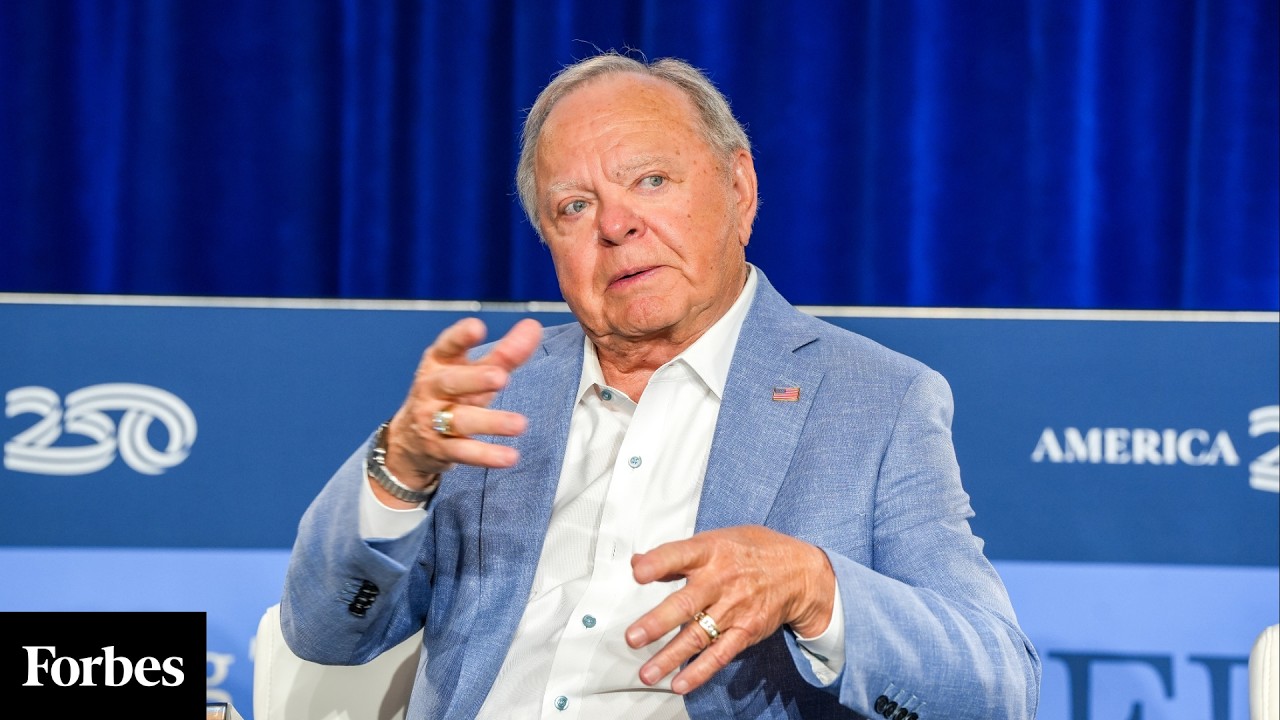
In a fireside chat with Forbes assistant managing editor Carrie A. Dolan, Harold Hamm, founder and chairman emeritus of Continental Resources, shared insights into his journey from humble beginnings to becoming a pioneering figure in the American oil and gas industry. Growing up as the 13th child of sharecroppers in Oklahoma, Hamm developed a strong work ethic early on, helping his family with farm labor before starting school. His fascination with the energy sector began during a high school transfer to Enid, Oklahoma, where he was inspired by charismatic oil and gas professionals and decided to pursue a career in oil exploration.
Hamm recounted his early career in the oil field services industry, where he operated water trucks, workover rigs, and drilling rigs, eventually founding his own business. His breakthrough came with the innovative use of horizontal drilling, also known as fracking, which he applied successfully in North Dakota’s Cedar Hills field. This technique, initially met with skepticism, proved highly productive and transformed the U.S. oil industry by unlocking vast shale oil resources, contributing to the country becoming the world’s largest oil producer.
Addressing environmental concerns, Hamm emphasized that natural gas, a key product of fracking, is the cleanest burning fossil fuel and has significantly reduced U.S. emissions by replacing coal in electricity generation. While acknowledging the role of renewable energy sources like solar and wind, he stressed that these are location-dependent and intermittent, making natural gas the most reliable energy source to power critical technologies such as artificial intelligence, which require constant and dependable energy supply.
Looking ahead, Hamm expressed confidence in the abundant supply of natural gas in the Western Hemisphere, predicting it will last for at least the next hundred years. He advocated for a hemispheric approach to energy cooperation, highlighting opportunities in South America and the potential for U.S. companies to collaborate with neighboring countries. Hamm also reflected on the geopolitical importance of U.S. energy independence, noting how horizontal drilling has shifted the nation from an energy importer to a net exporter, reducing reliance on unstable regions like the Middle East.
Finally, Hamm discussed the future of energy innovation, suggesting that while no single breakthrough may rival horizontal drilling, a diversified energy portfolio including improved solar, battery storage, and continued fossil fuel use is likely. He observed that fossil fuels still dominate the energy mix and that regional differences, such as California’s high gas taxes and aggressive renewable policies, contrast with states like Oklahoma and Louisiana, where energy costs remain lower. Hamm concluded by reaffirming the importance of reliable, affordable energy to support economic growth and technological advancement.