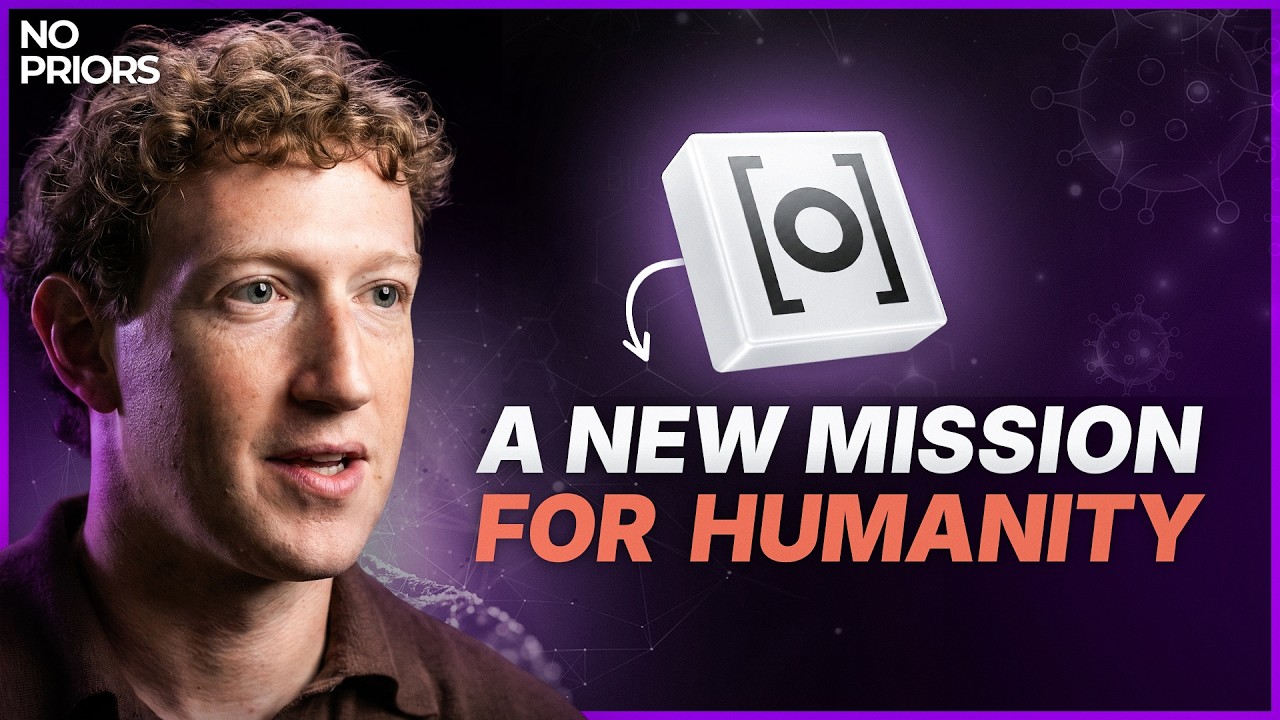
The Biohub initiative, led by Mark Zuckerberg, Priscilla Chan, and Alex Reeves, is a groundbreaking philanthropic effort focused on accelerating biological research through open-source tools and AI integration. Their mission is to understand biology at a fundamental level, enabling personalized medicine by comprehending the genetic and molecular mechanisms underlying diseases. Rather than aiming to directly cure diseases themselves, they seek to empower the global scientific community with advanced tools and data, fostering faster and more collaborative progress across the field.
Biohub’s approach uniquely combines frontier AI with frontier biology, emphasizing the development of comprehensive world models that span from protein structures to cellular behavior and whole biological systems. This hierarchical modeling strategy acknowledges the complexity of biology and the necessity of integrating data across multiple scales. The initiative invests heavily in generating novel datasets through innovative biological methods, such as single-cell sequencing and advanced imaging, which are crucial for training accurate AI models. Their open-source philosophy ensures that these tools and datasets are widely accessible, promoting diverse scientific contributions and accelerating discovery.
One of the standout achievements discussed is the development of ESM Fold, an AI-powered protein language model capable of predicting protein structures at atomic resolution and designing new proteins, including therapeutic antibodies. This model exemplifies how emergent properties from AI can revolutionize protein biology, enabling rapid in silico design and experimental validation cycles that drastically reduce the time and cost of drug discovery. The team highlighted the importance of mechanistic interpretability, aiming to extract new biological insights directly from AI models, potentially uncovering unknown mechanisms and guiding novel treatments.
The conversation also addressed the challenges and opportunities in translating these scientific advances into clinical applications. While the Biohub focuses on foundational research and tool development, they recognize the complexities of drug development, regulatory pathways, and patient-specific therapies. They emphasized the potential for AI-driven models to predict off-target effects and improve clinical trial design, particularly for rare diseases where patient groups are highly motivated and organized. The open ecosystem approach is seen as vital for harnessing the full spectrum of scientific talent and accelerating progress across diverse disease areas.
Looking ahead, the Biohub team envisions a future where biology transitions from a discovery-based to an engineering-based science, powered by integrated AI and biological data. They aim to build scalable, hierarchical models that can generalize across biological contexts and answer experimental questions digitally. The initiative’s success hinges on maintaining a world-class team, fostering collaboration, and sustaining long-term investment. Ultimately, their goal is to create tools that democratize biological research, enabling personalized medicine and transforming healthcare within the coming decades.