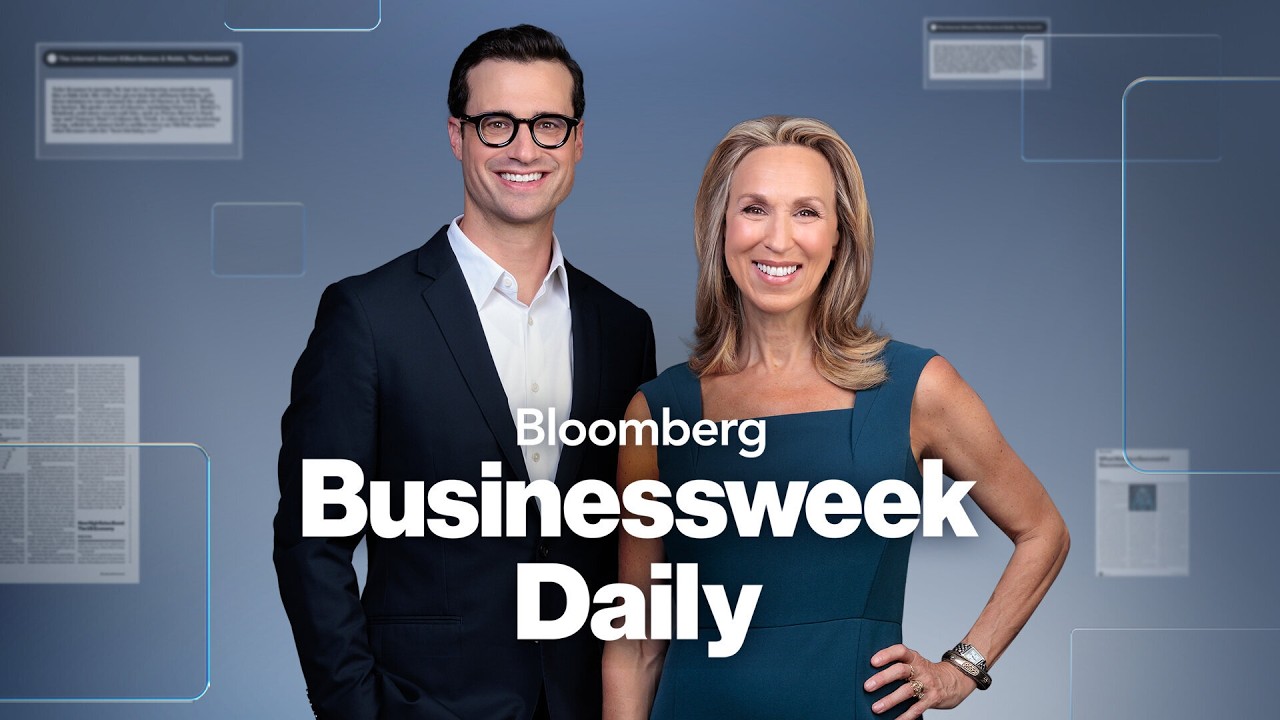
The Bloomberg Businessweek Daily coverage from the Schwab IMPACT 2026 conference in Boston focused heavily on the evolving investment landscape, particularly the integration of AI within the financial sector. The event gathered over 6,000 attendees, including independent advisors and key Schwab executives, to discuss the challenges and opportunities presented by AI and market dynamics. A significant theme was how AI is reshaping advisor services, enhancing efficiency, and creating new pathways for client engagement, while also raising questions about market concentration and the future of major tech companies like Alphabet, which experienced a historic stock drop amid concerns about AI cannibalizing its core search business.
Family offices and wealth management were also central topics, with Schwab’s Sam Kang highlighting the rapid growth in ultra-high-net-worth families and the increasing complexity of managing concentrated wealth. Many families are seeking diversification strategies and leveraging sophisticated financial tools, including pledged asset lending, to maintain liquidity without selling core holdings. The discussion underscored the importance of personalized advisory services that address not only financial management but also family governance and generational wealth transfer, reflecting the multifaceted needs of wealthy clients in today’s market.
Donor-advised funds (DAFs) were examined as a vital vehicle for philanthropy amid volatile markets and significant wealth creation. Julie Sunwoo, president of DAFGiving360, explained how these funds allow donors to contribute appreciated assets, including non-cash and hard-to-value items like crypto and collectibles, while receiving immediate tax benefits and retaining control over grant timing. The next generation of donors is expected to continue this trend, with a growing emphasis on social impact and transparency, and AI is being explored as a tool to streamline operations and accelerate charitable giving.
Market concentration and risk diversification were analyzed by Schwab’s D.J. Tierney and other experts, who noted that the top tech companies now represent a historically large portion of the S&P 500, raising concerns about sector and individual company risk. While these companies have driven strong returns, there is recognition that market leadership shifts over time, and advisors are encouraged to consider diversified strategies that include global and fundamental indexing approaches. The conversation also touched on the broader economic outlook, inflation concerns, and the labor market’s resilience, with Schwab’s macro research team emphasizing the unusual divergence between strong economic data and persistent consumer anxiety.
Finally, Schwab’s CEO Rick Wurster and other leaders discussed the firm’s strategic investments in AI and technology platforms to support advisors and clients, aiming to enhance productivity and client relationships without compromising security. They expressed cautious optimism about AI’s role in financial services, emphasizing client protection and the importance of human relationships. The conference highlighted the dynamic interplay between technological innovation, market forces, and personalized advisory services as Schwab and the broader investment community navigate a complex and rapidly changing economic environment.
Useful Links