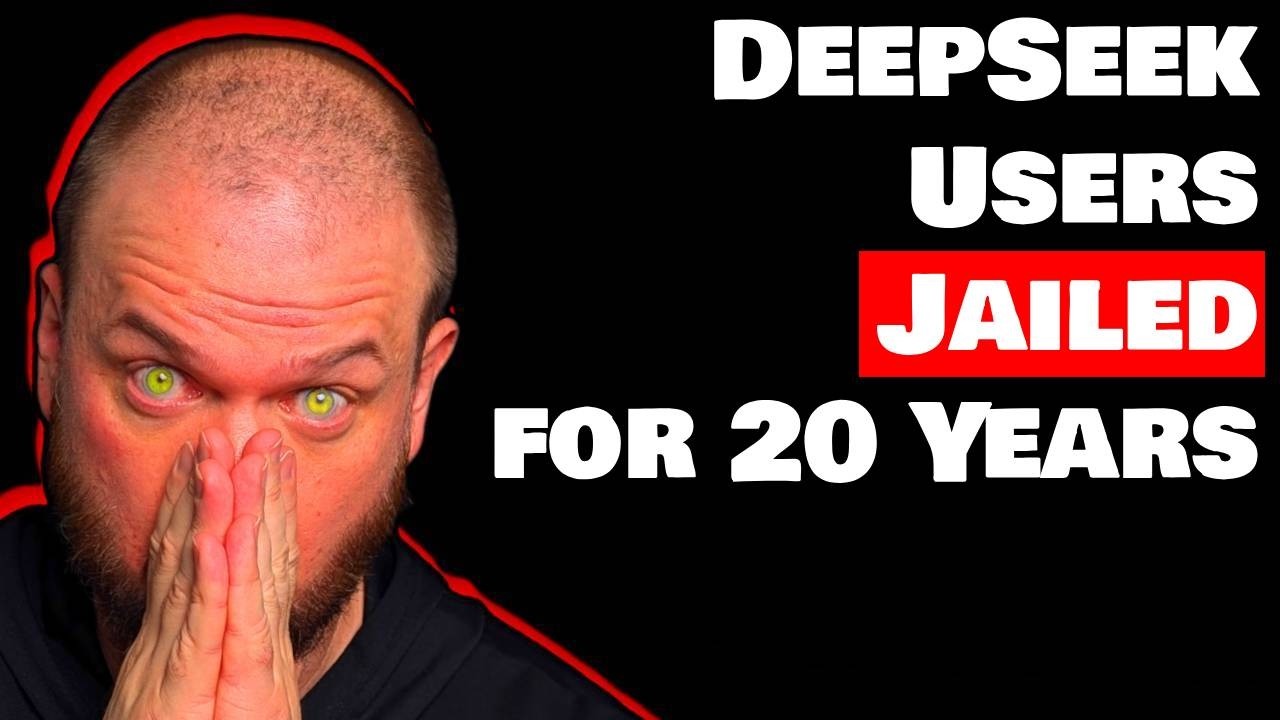
The video discusses a proposed bill by Senator Josh Hawley that could impose severe penalties, including up to 20 years in prison, for downloading AI models from China, particularly the DeepSeek model, raising concerns about its impact on open-source development and innovation. Critics argue that the legislation could stifle collaboration in the AI field and hinder scientific progress, while also highlighting the need for a balanced approach to AI regulation that addresses both safety and innovation.
The video discusses a proposed bill by U.S. Senator Josh Hawley that could impose severe penalties, including up to 20 years in prison and a million-dollar fine, for individuals who download AI models from China, specifically targeting the recently released DeepSeek model. The bill reflects the ongoing competition between the U.S. and China in AI development and aims to prevent American resources from empowering Chinese advancements in technology. The legislation is seen as a significant escalation in the U.S. government’s approach to regulating AI and its potential implications for national security.
DeepSeek has garnered attention for its advanced capabilities and lower development costs compared to American counterparts. The video highlights that while the training cost of DeepSeek has been verified, the implications of its release raise concerns about the competitive landscape of AI. The bill’s language suggests that it could criminalize not only the developers of such models but also everyday users who interact with them, creating a chilling effect on open-source development and innovation in the AI field.
The discussion also touches on the broader implications of the bill for open-source AI development. Critics argue that the legislation could stifle collaboration and hinder scientific progress by instilling fear among developers who might worry about potential legal repercussions. The Electronic Frontier Foundation has expressed concerns that the bill threatens the open and collaborative nature of AI advancements, which could ultimately harm the U.S.'s position in the global AI landscape.
The video further explores the potential dangers of AI self-replication and the risks associated with open-source models. Research has shown that certain AI systems could replicate themselves under specific conditions, raising alarms about the safety and control of such technologies. The speaker emphasizes the need for a balanced approach to AI regulation that considers both the risks of misuse and the importance of fostering innovation and collaboration in the field.
In conclusion, the proposed bill has sparked a significant debate about the future of AI regulation, national security, and the balance between innovation and safety. While there are valid concerns about the potential misuse of AI technologies, the implications for open-source development and scientific progress cannot be overlooked. The video encourages viewers to consider the complexities of this issue and to engage in discussions about the appropriate path forward for AI governance.