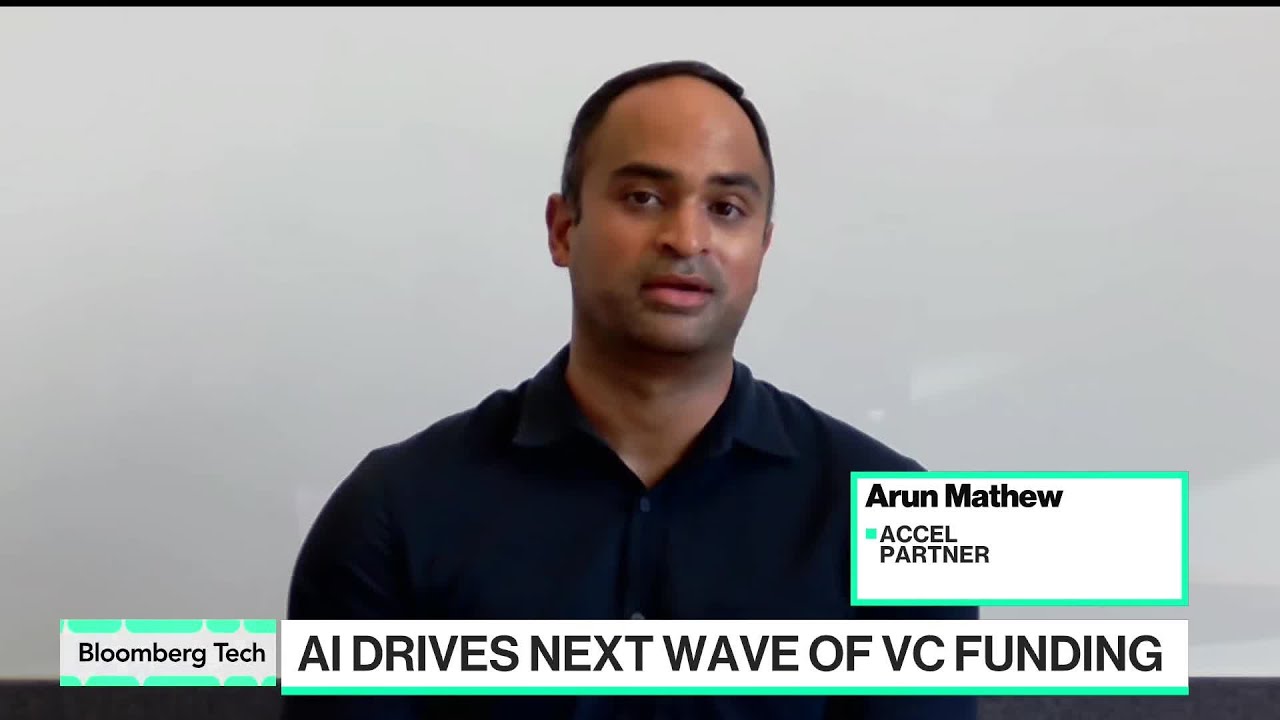
The discussion highlights the AI investment shift from foundational models to the application layer, which promises significant growth by transforming traditional industries through specialized, secure, and compliant AI solutions. While some investors caution about a potential bubble in foundational technologies, many believe the AI revolution is just beginning, with a decentralized ecosystem of diverse AI agents driving widespread adoption and innovation.
The discussion centers on the evolving landscape of AI investment, particularly emphasizing the application layer as the next frontier for value creation. While significant funding has been directed toward foundational AI models and infrastructure over the past few years, the application layer—where AI is integrated into specific industries and use cases—is poised for substantial growth. This layer is expected to generate impressive revenue opportunities, especially as AI begins to transform traditional sectors like legal, finance, and healthcare.
There is a debate among investors about whether the AI market is currently experiencing a bubble, especially in foundational technologies. Some early-stage investors express caution, suggesting that valuations may be inflated. However, others, including prominent venture capitalists, argue that the AI revolution is just beginning and that the potential for growth and innovation remains vast. The conversation highlights the need to balance optimism about AI’s transformative potential with a realistic understanding of market dynamics and the likelihood of some companies failing.
A key theme is the distinction between viewing AI as merely an evolution of software versus seeing it as a fundamental reinvention of work itself. The legal sector serves as a prime example, where AI could shift a significant portion of labor-intensive tasks to autonomous agents, potentially tapping into a trillion-dollar global labor market. Even capturing a small fraction of this market through AI-driven automation could represent enormous economic value, underscoring why investors are excited about the application layer’s prospects.
The conversation also addresses skepticism about whether application-layer companies can succeed independently or if they will ultimately be overshadowed by dominant foundational model providers like Anthropic. The response is that both foundational models and specialized applications have room to thrive. Delivering AI solutions that meet stringent requirements for security, compliance, and accuracy is challenging, and this complexity creates opportunities for companies that can effectively bridge the gap between raw AI capabilities and real-world customer needs.
Finally, the emergence of platforms like NVIDIA’s open-source AI agent framework, NemoClaw, is seen as a pivotal moment for the industry. Rather than consolidating control under a few large players, the future is envisioned as an ecosystem of diverse companies providing AI agents tailored for various personal and professional uses. This decentralized model is likened to the early days of personal computing, suggesting that widespread adoption of AI agents will be driven by multiple innovators rather than a single dominant entity.