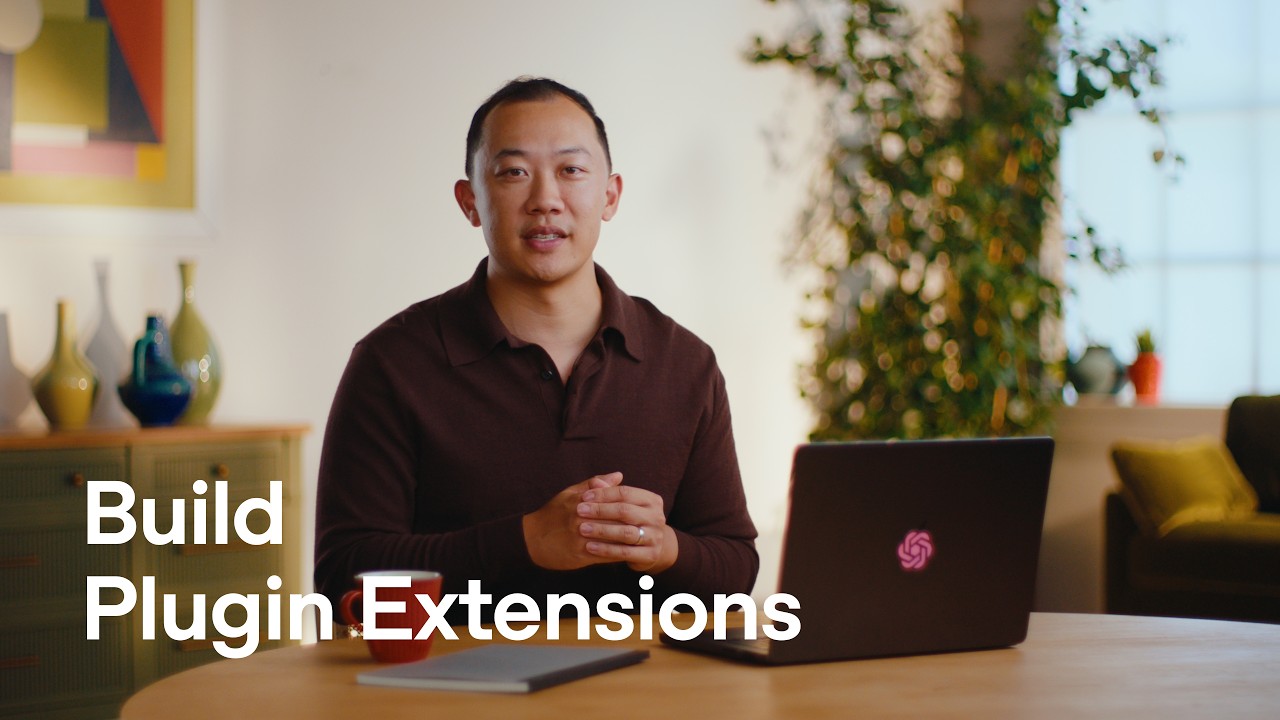
Building plugins for ChatGPT involves leveraging plugin extensions, which allow developers to integrate more of their product’s user interface directly into ChatGPT. This capability enables the creation of richer, more interactive experiences that feel native to the platform, going beyond simply embedding web pages or displaying static content. Plugins can have a persistent presence in the sidebar or appear as interactive side panels alongside conversations, giving developers control over layout, navigation, and user interactions.
These extensions enable seamless integration between the plugin’s interface and ChatGPT’s conversational capabilities. For example, a design editor plugin can be opened from the sidebar and positioned next to a conversation, allowing users to make changes while simultaneously asking ChatGPT for assistance. The plugin can communicate specific user actions, such as selecting a design element, directly to ChatGPT, creating a cohesive and interactive workflow that fits the product and team’s needs.
Beyond the core interface integration, plugin extensions also allow customization of other aspects such as the onboarding flow after installation, @mentions within the chat composer, and additional controls and settings. These features provide developers with further flexibility to tailor the user experience and enhance how users interact with their plugins inside ChatGPT.
The video highlights practical examples of plugins built using this extension platform. One example is a meetings plugin that helps users record conversations, extract decisions, and generate follow-up drafts directly within ChatGPT. Another example is the OpenAI Developers plugin, which provides access to documentation, developer tools, and event talks, demonstrating how users can fluidly switch between exploring information and leveraging ChatGPT’s assistance.
Overall, plugin extensions build on the existing MCP and MCP apps framework, enabling developers to bring their products and tools into ChatGPT conversations. To get started, developers are encouraged to identify user needs, create an initial version using Plugin Creator, and iteratively improve their plugins by testing and refining the experience. This approach fosters innovative, integrated AI-powered workflows that enhance productivity and user engagement.
Useful Links