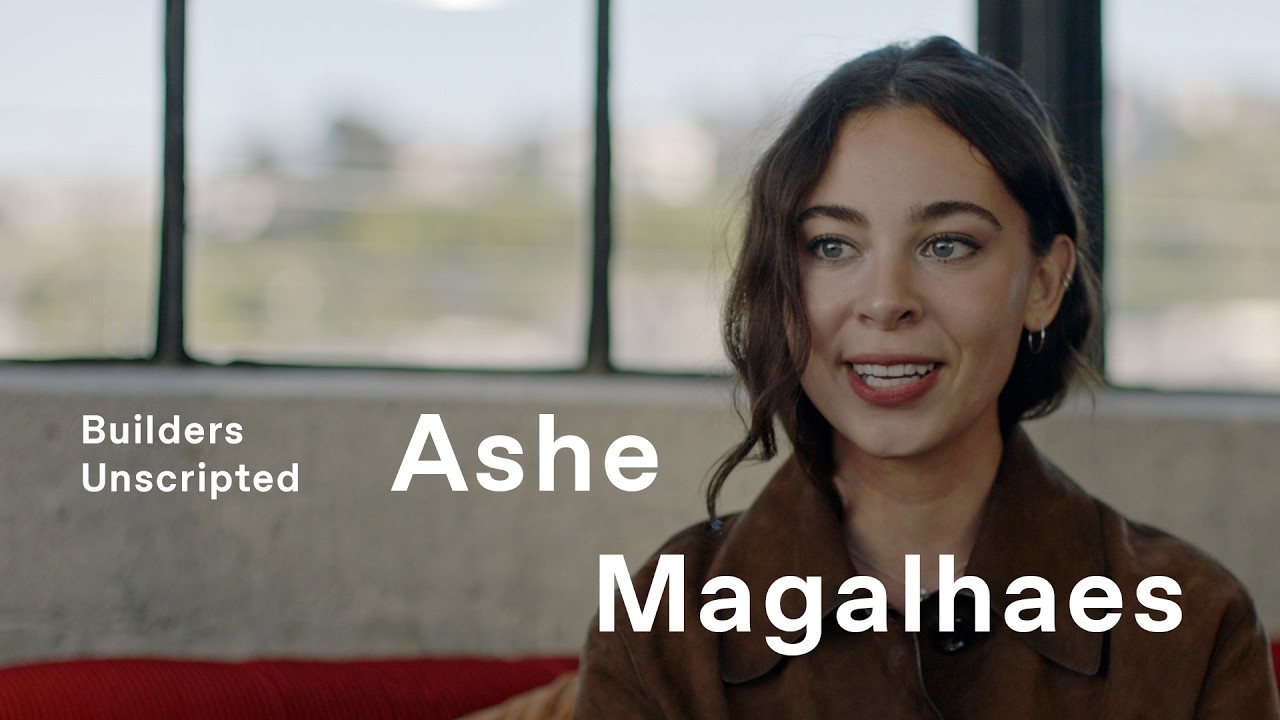
In this episode of Builders Unscripted, Ashe Magalhaes, founder of Hearth AI, shares her journey from building a solar-powered racing car to pioneering AI-driven relational intelligence products. Ashe recounts her early experiences working with fragile AI systems like GPT-3.5 to create agentic workflows and structured outputs before such capabilities were mainstream. Her background as an ML engineer at Airbnb and NASA, combined with hands-on frontier tech projects like the solar car race in Australia, shaped her rigorous and risk-aware approach to building innovative products.
Ashe emphasizes the importance of human connection as the core thesis behind Hearth AI. Inspired by reflections on life and presence, she shifted her focus from purely technical achievements to enhancing relational intelligence through AI. She envisions AI as a “second brain” that symbiotically augments human cognition, helping people manage and deepen their relationships by extending their ability to reason about social connections. This vision drives her work on agentic CRMs and personalized software that fosters meaningful human interactions.
Her current workflow leverages cutting-edge AI tools like Codex 5.4 to rapidly prototype and iterate on ideas in public, using her Ashe.ai platform and Slack-based agentic workflows. Ashe highlights the speed and flexibility these tools provide, enabling her to validate concepts quickly with real users and extract successful prototypes into standalone products or open-source projects. This iterative, transparent approach allows her to stay creatively engaged and responsive to community feedback while managing multiple projects simultaneously.
Ashe also discusses the evolving role of builders and engineers in the AI era, advocating for a blend of creativity, vulnerability, and authenticity. She believes that as AI automates more technical tasks, the premium will be on personal taste, presence, and building trust with users. She encourages builders to attune to their own values and aesthetics, build in public, and embrace discomfort as a path to growth. Ashe sees this moment as a Renaissance for creativity, where the interplay between software, hardware, and human connection opens new frontiers for innovation.
Finally, Ashe shares her thoughts on the future of AI-enhanced human relationships, including the integration of wearables and ambient intelligence to support presence and social etiquette. She envisions tools that help people be fully present in conversations while capturing meaningful context for their “second brain.” Ashe’s advice to builders is to stay curious, have fun, and follow their passions, trusting that these drives will lead to impactful creations. Her journey exemplifies how blending deep technical expertise with a human-centered vision can unlock transformative possibilities in the AI landscape.