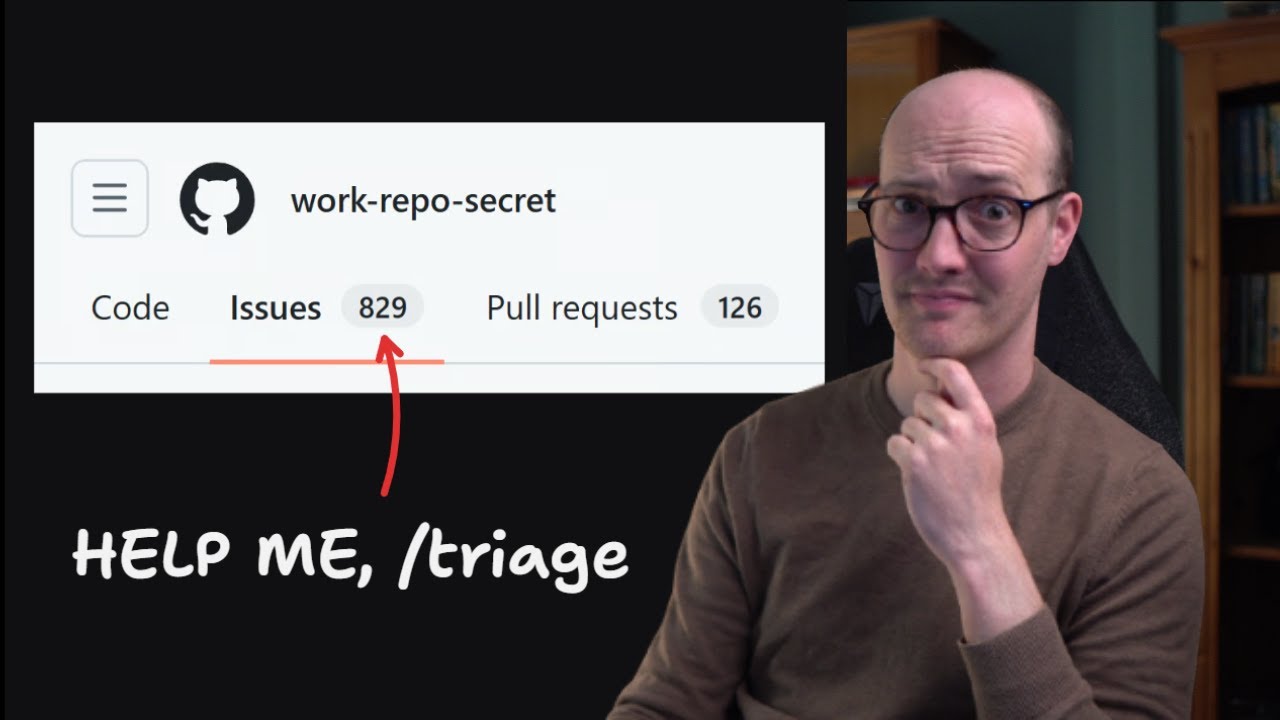
The video introduces a skill called “triage,” designed to help manage backlogs and issues in software development projects, especially within teams. Unlike skill-based setups that work well for solo developers, triage is tailored for collaborative environments where multiple people contribute ideas, bug reports, and feature requests. The triage skill helps categorize and prioritize these inputs, determining whether they are bugs, enhancements, or should be rejected, and whether they need further information, human intervention, or are ready for an automated agent to handle.
Triage operates using a state machine model encoded into labels, with two main category roles—bug and enhancement—and five state roles such as “needs triage,” “needs info,” “ready for agent,” “ready for human,” and “won’t fix.” Each issue is assigned exactly one category and one state label, ensuring clarity and preventing conflicting statuses. This structured approach allows the triage skill to systematically process issues, making it easier to manage large backlogs and prepare tasks for automated agents to execute.
The presenter demonstrates triage in action by running it on their own open-source repository, Sank Castle. The skill scans the repo’s GitHub issues, labels them appropriately, and prioritizes them for further action. It also references an “out of scope” directory containing architectural decisions that help the agent automatically close issues related to features that won’t be implemented. This integration streamlines the triage process by filtering out irrelevant or unwanted tasks early on.
One highlighted feature is the ability to move issues to “ready for agent” status only after writing a clear brief for the agent, ensuring that tasks are well-defined and actionable. The presenter shows how triage can be combined with other skills, such as diagnosing and fixing bugs automatically within the same session. This workflow includes reproducing bugs, generating tests, applying fixes, and pushing changes, demonstrating a seamless collaboration between human maintainers and AI agents.
Finally, the video emphasizes the importance of triage in maintaining a clean, actionable backlog that automated agents can efficiently work through. The presenter encourages viewers to explore the AI Hero skills page for more updates and tips on using agents effectively. They also mention experimenting with a new video style aimed at a more relaxed and natural presentation, inviting feedback from the audience. Overall, triage is presented as a powerful tool for transforming messy human input into structured, executable tasks for AI-driven development workflows.