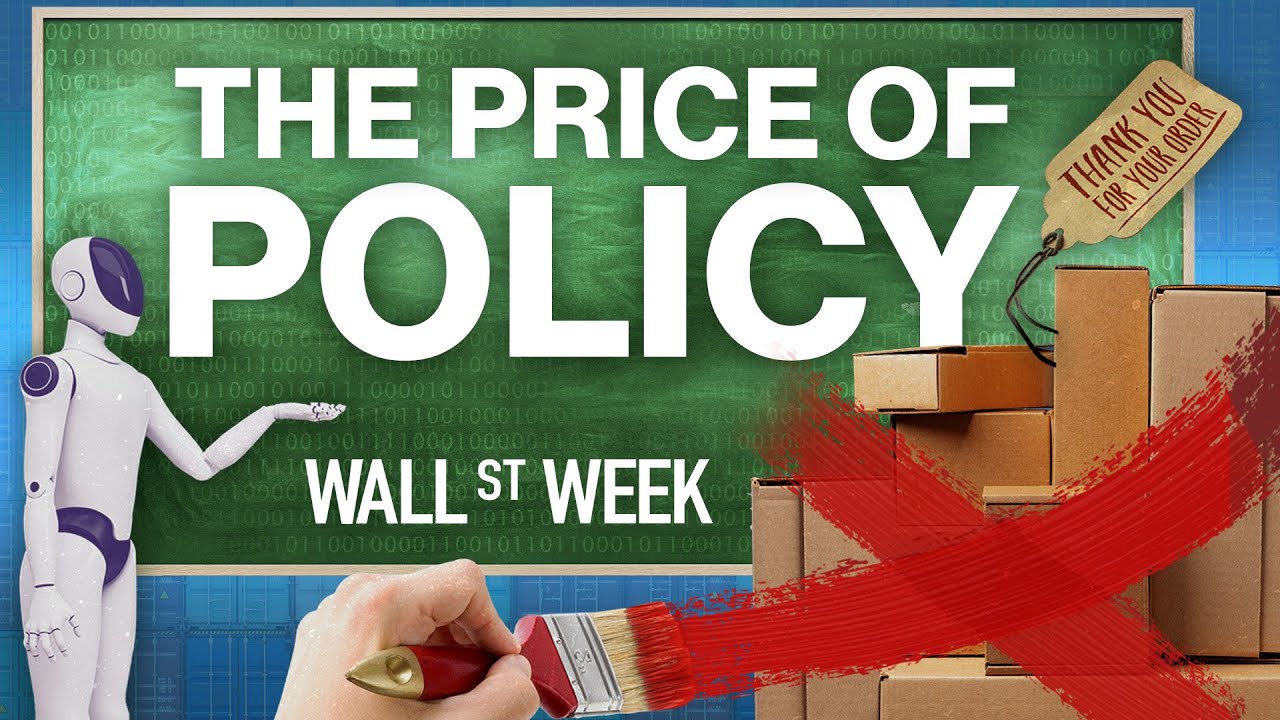
In this episode of Wall Street Week, David Westin explores several pressing topics at the intersection of business, policy, and technology. The first segment delves into the booming business of immigration detention in the United States, particularly under President Trump’s administration, which has significantly increased deportations. Private companies like CoreCivic and GeoGroup dominate this sector, operating most detention facilities under government contracts. While these companies emphasize compliance with national standards and highlight the economic benefits detention centers bring to rural communities, critics raise concerns about detainee treatment and the ethical implications of privatizing incarceration.
Next, the program examines the rapidly growing market for event-based futures contracts, or prediction markets, which allow individuals to bet on outcomes ranging from elections to government shutdowns. Platforms like Kalshi and Polymarket, regulated by the Commodity Futures Trading Commission, provide a way for people to express opinions and hedge risks by trading on future events. Experts like former Treasury Secretary Larry Summers see value in these markets as tools for aggregating collective wisdom, offering potentially more reliable forecasts than individual experts or polls. However, traditional pollsters caution that prediction markets complement rather than replace conventional polling methods.
The episode then shifts focus to the unintended consequences of President Trump’s decision to end the “de minimis” tariff exemption, which previously allowed small shipments valued under $800 to enter the U.S. without tariffs. While aimed at curbing fentanyl trafficking and unfair competition from large Chinese online retailers, this policy change has adversely affected small businesses worldwide, such as Harriet De Winton’s watercolor art company in Devon, England. The removal of this exemption has introduced new costs and complexities for small exporters and American consumers alike, highlighting the broader economic impact of trade policy shifts.
In the realm of education, the show spotlights the transformative role of artificial intelligence (AI) in American classrooms. AI-powered platforms like Kira enable personalized learning experiences by acting as virtual tutors, helping teachers manage large classes and provide tailored support to students. Educators like Lance Key appreciate AI’s ability to offer real-time feedback and reduce repetitive tasks such as grading, potentially alleviating teacher shortages and burnout. Despite its promise, experts caution about AI’s limitations, including risks of misinformation, bias, and the importance of maintaining human interaction in education.
Finally, the episode returns to CoreCivic’s broader role in the U.S. incarceration system beyond immigration detention. CEO Damon Hininger discusses the company’s focus on maintaining modern facilities, investing in rehabilitation programs, and managing risks inherent in the correctional industry. While acknowledging the controversy surrounding private prisons, Hininger notes that investor concerns have lessened over time due to the company’s compliance and operational track record. The discussion underscores the complex balance between public policy, private enterprise, and social responsibility in managing America’s correctional infrastructure.