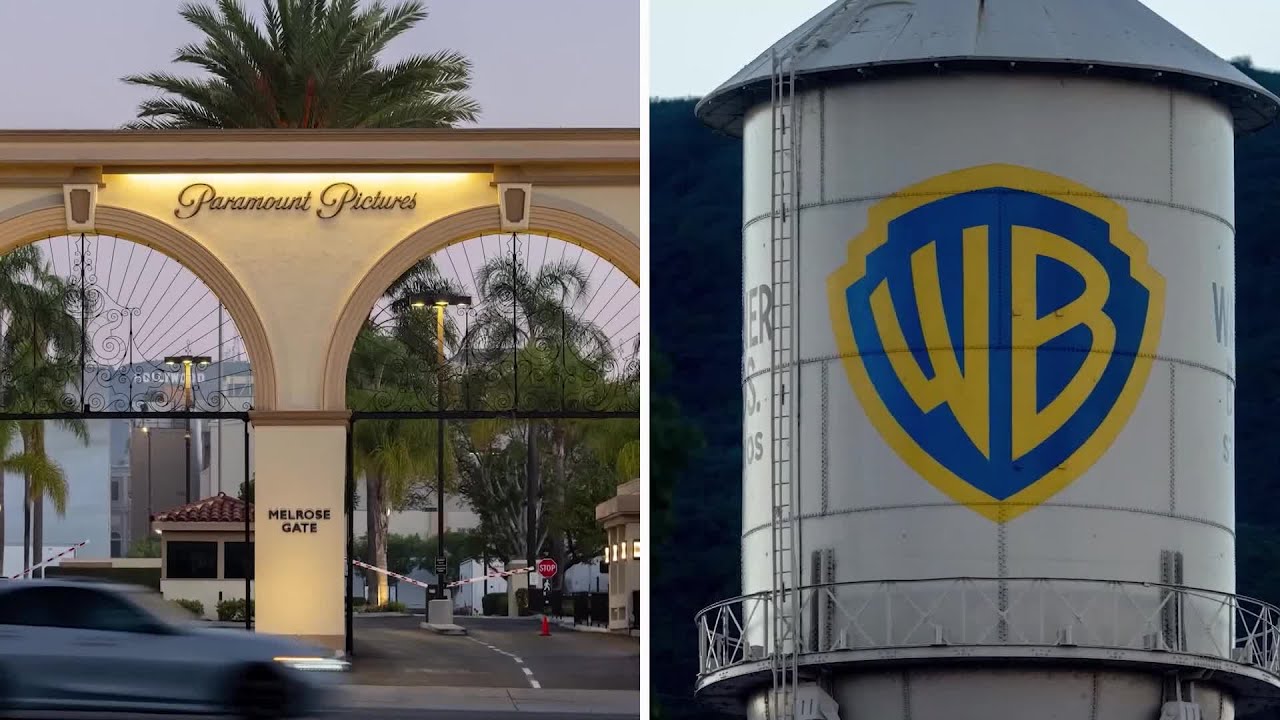
California Attorney General Rob Bonta emphasized the state’s commitment to rigorous antitrust enforcement against major mergers like Paramount-Skydance, criticized insufficient behavioral remedies, and highlighted ongoing efforts to regulate tech platforms and AI to protect consumers and competition. He also defended state authority in antitrust and election integrity matters, addressing cases involving Meta, Live Nation-Ticketmaster, and election security while rejecting unfounded claims of voter fraud.
California Attorney General Rob Bonta discussed the ongoing legal battle against the Paramount-Skydance merger, emphasizing that while settlement talks are upcoming, the state remains prepared to take the case to trial if necessary. Bonta highlighted the importance of structural remedies—such as divestitures of cable channels or splitting intellectual property—to address antitrust concerns in theatrical releases, distribution, and cable licensing markets. He criticized behavioral remedies proposed by Paramount as insufficient and difficult to enforce, underscoring California’s commitment to protecting competition and consumer choice.
Bonta expressed skepticism about the federal Department of Justice’s review of the merger, arguing that California’s analysis is more rigorous and tailored to the American market. He dismissed threats from Paramount about relocating jobs and economic contributions as inconsistent and hypocritical, stating that the lawsuit aims to prevent job losses and economic harm caused by the merger. Despite potential economic impacts, Bonta affirmed that enforcing antitrust laws and protecting consumers from higher prices and reduced competition remain paramount.
Regarding the broader regulatory landscape, Bonta defended the role of states in antitrust enforcement, especially given what he described as a retreat by federal agencies like the DOJ and FTC from vigorous oversight. He cited Supreme Court precedent supporting states’ authority to sue over antitrust violations and emphasized the necessity of state action to protect affordability and competition for consumers. Bonta also touched on recent successes, including a major settlement with Meta addressing mental health harms to children, and ongoing efforts to ensure similar protections across other tech platforms like TikTok and YouTube.
On the emerging challenges posed by artificial intelligence, Bonta confirmed that California is actively investigating AI-related issues, including incidents involving OpenAI and Hugging Face. He stressed that existing laws and new regulations provide guardrails to prevent harms such as inappropriate content or exploitation of minors, and that companies remain responsible for the AI tools they develop. Bonta indicated readiness to enforce laws in the AI space and clarified that liability cannot be shifted onto users when companies’ AI products cause harm.
Finally, Bonta addressed other high-profile cases and regulatory issues, including the Live Nation-Ticketmaster antitrust litigation, where the states won the liability phase and are now pursuing remedies. He also discussed the states’ authority over prediction markets and gambling regulation, asserting that federal law does not preempt state power. On election integrity and mail-in voting, Bonta criticized former President Trump’s claims of widespread fraud as baseless and reaffirmed California’s commitment to protecting voting rights and election security, warning that any unlawful interference would be met with legal action.