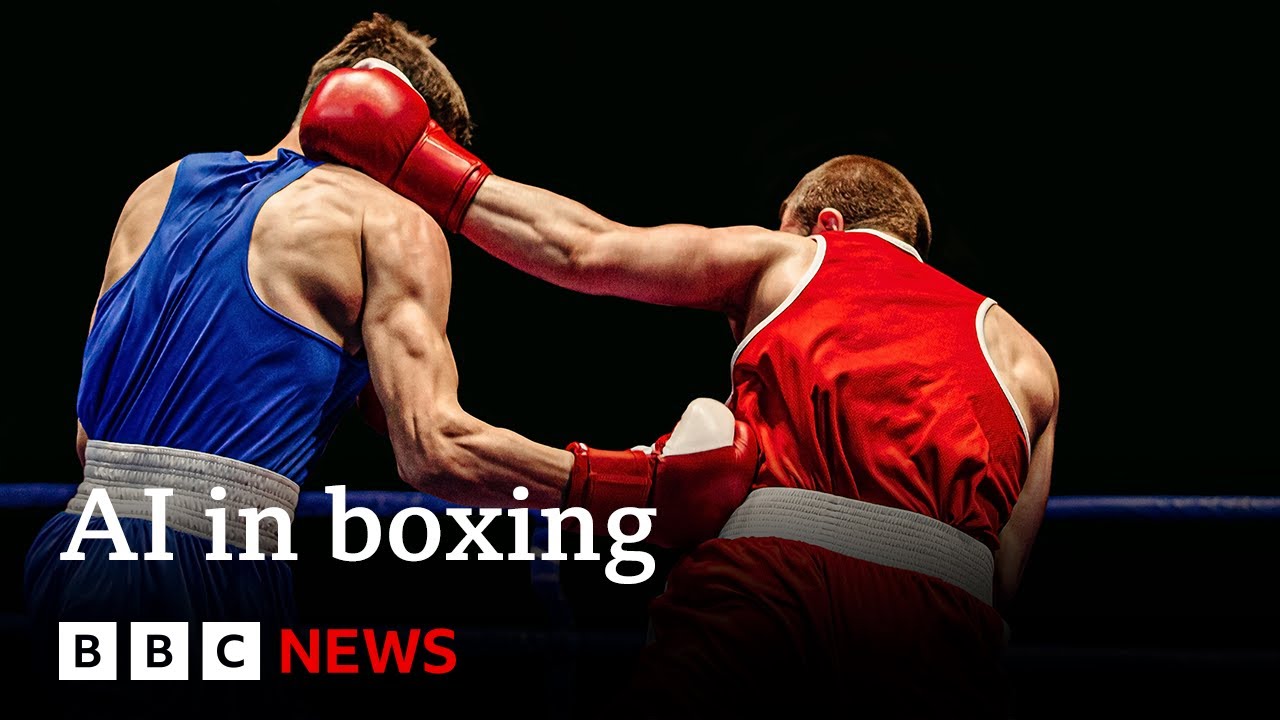
The video explores the development of an AI application that detects concussions in boxers by analyzing eye and pupil movements to identify cognitive impairments caused by head injuries. This non-invasive technology aims to enhance athlete safety by providing early and accurate concussion diagnosis, potentially preventing long-term brain damage in boxing and other contact sports.
The video discusses the emerging use of artificial intelligence (AI) in boxing, particularly focusing on concussion detection. While AI has recently been introduced as a judge in boxing matches, such as the heavyweight fight between Alexander Usk and Tyson Fury, its role in concussion detection is still in early development. Dr. Cameron Maru and his team have created an AI application that tracks eye and pupil movements to identify signs of concussion in boxers. This non-invasive technology aims to be accessible and practical within sporting contexts.
The AI works by analyzing how well a boxer’s eyes follow a moving object and detect changes in their blind spots. Concussions often impair cognitive abilities, including the capacity to track moving objects accurately. By comparing the position of a moving ball with the eye movements of the boxer, the algorithm can detect discrepancies that indicate a concussion. The technology provides multiple tests to assess the severity of the injury, distinguishing between minor trauma and serious concussion.
Boxing is a high-risk sport where most professional fighters are likely to suffer brain injuries during their careers, increasing the risk of long-term diseases like Alzheimer’s and Parkinson’s. Despite strict rules designed to protect fighters, injuries can occur at any time, and boxers often continue fighting despite potential harm. The AI concussion detection tool could serve as an important safeguard, helping to prevent boxers from unknowingly causing further damage to their brains.
Currently, if a boxer is knocked out or diagnosed with a concussion by a ringside doctor, they face a mandatory 28-day suspension. However, concussion detection during training is less regulated, meaning injuries can go unnoticed. The video features retired boxer Callum and another boxer, Khaled, testing the AI technology after sparring sessions, both showing no signs of concussion. While some boxers might resist using such technology due to career and financial pressures, others acknowledge its potential benefits for long-term health.
The team behind the AI hopes to scale the technology for use in both amateur and professional boxing matches. Beyond boxing, this concussion detection technology could have applications in various other sports where head injuries are common. The development represents a promising step toward improving athlete safety through early and accurate concussion diagnosis.