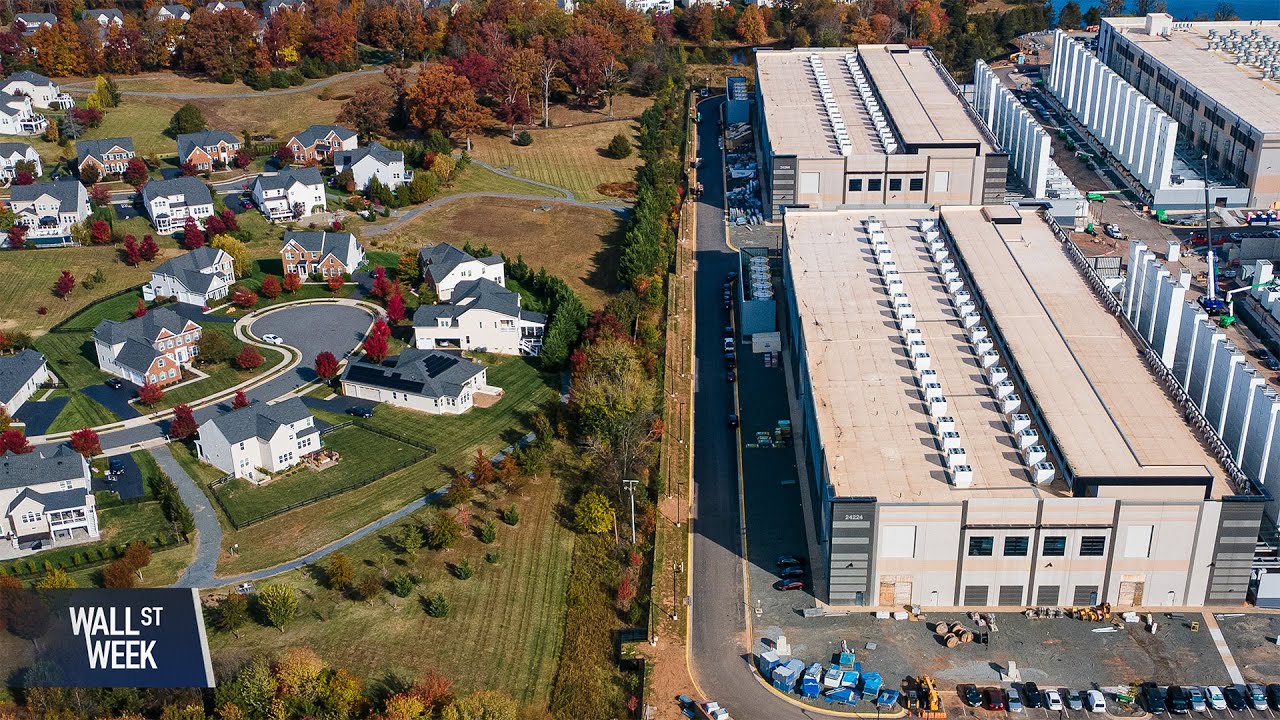
The rapid growth of AI has led to a surge in data center construction promising economic benefits but raising significant environmental and social concerns among local communities, including issues like increased resource usage and lack of transparency. Addressing these challenges requires greater oversight, community involvement, and collaborative efforts between industry and government to ensure responsible development that balances AI-driven progress with the well-being of affected residents.
The rapid expansion of artificial intelligence has sparked a surge in data center construction across the United States, promising significant economic benefits for investors and the broader economy. These massive infrastructure projects, often backed by multi-billion-dollar investments and long-term contracts with tech giants, represent a multi-trillion-dollar bet on the future of AI. Investors are attracted by the potential for steady returns over 15 to 20 years, with data centers seen as critical assets supporting the growing demand for AI computing power.
However, the communities hosting these data centers face immediate concerns about the impact on their environment, resources, and quality of life. Residents often learn about these projects late in the process, leading to frustration and opposition. Issues such as increased electricity rates, water usage, noise pollution, and potential declines in property values have raised alarms among local officials and citizens, exemplified by the controversy surrounding a large data center planned in Saline Township, Michigan. Transparency and community involvement in decision-making remain significant challenges.
Industry leaders acknowledge these concerns and draw parallels to past infrastructure developments, such as cell towers, which initially faced strong local resistance but eventually gained acceptance through engagement and education. They emphasize that data center operators provide essential infrastructure—power, cooling, connectivity—while leaving the choice of computing technology to their clients. This separation helps mitigate some investment risks but does not fully address the social and environmental risks borne by local communities.
State officials like Michigan’s Attorney General highlight the need for greater oversight and transparency, especially regarding contracts and agreements that are often kept confidential. There is apprehension about the long-term financial risks if AI demand declines or technology evolves differently than expected, potentially leaving taxpayers and ratepayers to cover the costs of underutilized infrastructure. The lack of clear exit strategies and the opacity of contractual terms exacerbate fears of future burdens on local economies.
Ultimately, balancing the promise of AI-driven growth with the protection of local communities requires careful planning, open dialogue, and robust regulatory frameworks. Both industry and government must work together to ensure that data center development proceeds responsibly, minimizing negative impacts while maximizing benefits. Building “good fences” metaphorically means establishing safeguards and inclusive processes that respect community concerns and foster sustainable progress in the AI era.