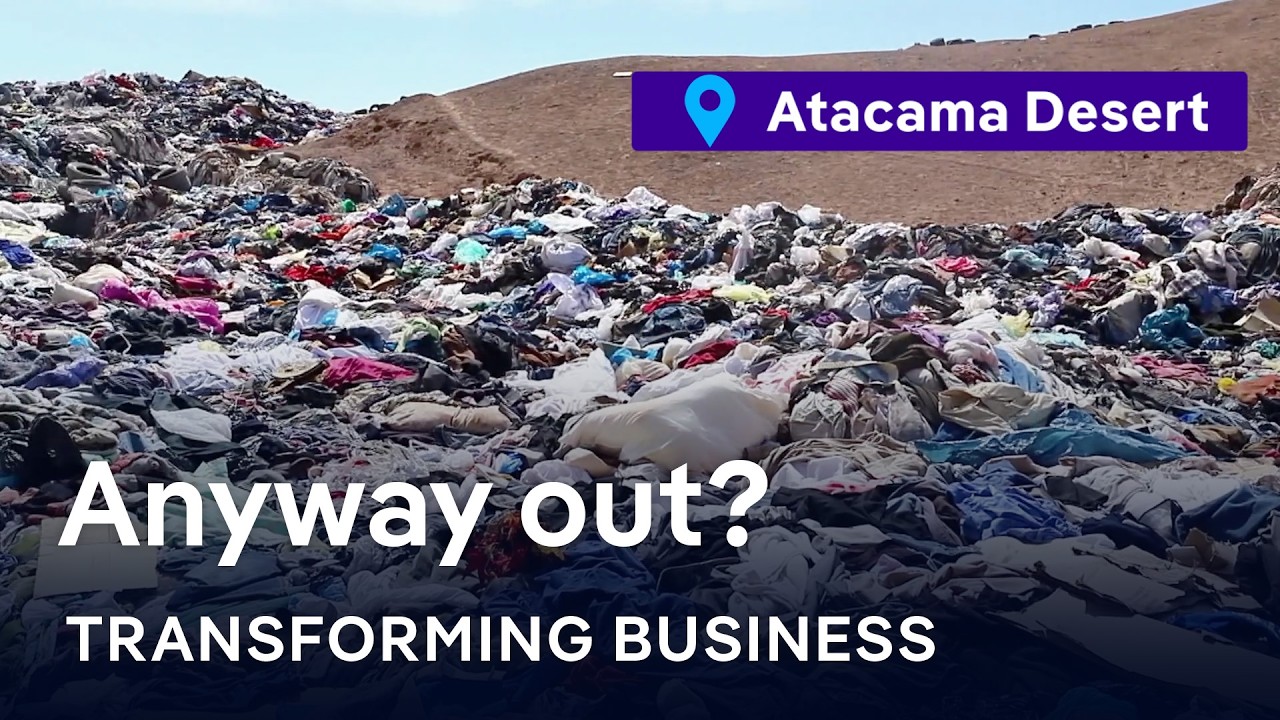
The global textile industry is facing a massive challenge with an estimated 90 million tons of unwanted clothing accumulating annually, equivalent to the waste generated by a loaded A380 aircraft takeoff every 60 minutes. Despite this, clothing prices, especially for shoes, have remained relatively stable or even decreased over the past decade, making it easy for consumers to frequently buy new items. Most discarded clothes end up in landfills or are incinerated, with only a fraction being recycled. Effective recycling requires thorough sorting of materials, which is currently a significant bottleneck.
Artificial intelligence (AI) is emerging as a promising solution to improve the sorting process. Researchers like Stefan Schlichter highlight that while AI applications in textile recycling are still in the research phase, commercial systems are expected to be available within the next two years. AI-enabled technologies, such as near-infrared cameras, can accurately identify material compositions like polyester and cotton, enabling more efficient recycling processes. This innovation allows mixed materials to be recycled together, maintaining high-quality polyester recovery and opening new possibilities for sustainable textile products.
Despite technological advances, a major hurdle remains in the supply chain and availability of suitable raw materials for recycling. Much of the used clothing, especially in Europe, is either discarded with household waste or exported as secondhand goods, limiting the feedstock for recycling plants. The rise of fast fashion has also flooded the market with diverse and lower-quality products, complicating recycling efforts. Industrial-scale recycling requires significant investment in infrastructure and a reliable supply of sorted textile waste to be viable.
Government regulations and consumer awareness are beginning to drive change. Sustainable product regulations and mandatory recycled content in new textiles are seen as essential steps to create a market for recycled fibers. Experts suggest starting with a modest recycled content requirement of around 5% to stimulate demand and reduce waste incineration. The garment recycling process involves removing metals and plastics, shredding, and compacting materials into panels that can be repurposed, demonstrating practical applications of recycled textiles.
Looking ahead, the textile recycling industry holds significant economic potential, with projections of generating over 2 billion euros annually by 2030. Countries like Germany, with a strong textile manufacturing heritage and expertise, are well-positioned to lead this transformation by leveraging advanced technologies such as AI-driven sorting. Building a robust recycling infrastructure and regulatory framework will be crucial to reviving the industry, reducing environmental impact, and creating sustainable business models in the textile sector.