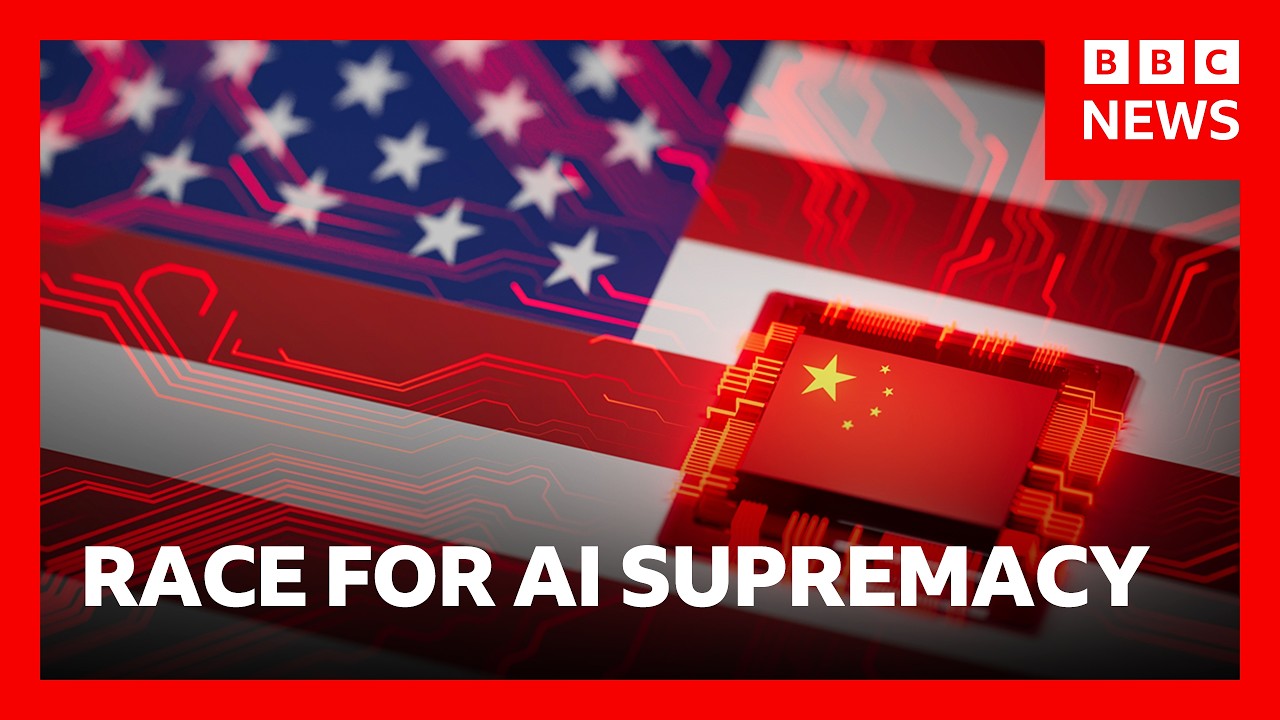
The race for AI supremacy between the United States and China is a critical global contest influencing economic power, military strength, and technological governance. Recent incidents, such as the seizure of AI chips smuggled through Malaysia and allegations against Alibaba for conducting large-scale AI model theft from Anthropic, highlight the covert and competitive nature of this struggle. Experts emphasize that China remains highly eager to acquire advanced US AI chip technology, often resorting to sophisticated smuggling operations and industrial espionage to bypass export controls, underscoring the challenges in curbing such activities.
China’s AI strategy is multifaceted, involving both efforts to indigenize technology production and aggressive acquisition of foreign advancements through methods like “distillation,” where capabilities of leading AI models are extracted by interacting with them extensively. This approach allows China to sidestep the costly process of gathering training data and developing models from scratch. While China invests heavily in research and development, its AI deployment is deeply integrated into society, from healthcare to military applications, reflecting a broader vision of technological self-sufficiency and global influence, particularly in emerging markets.
The competition extends beyond hardware and software theft to the strategic dissemination of AI technology. China’s open-source AI models, often subsidized by the state, are designed to undercut US companies by offering cheaper alternatives, especially in developing countries. This tactic not only fosters dependency on Chinese technology but also challenges the profitability of American AI firms. The debate around open versus closed AI models highlights differing priorities: while the US focuses on protecting intellectual property and commercial interests, China leverages open access to expand its technological footprint globally.
Experts note that the AI rivalry resembles an arms race, with both nations jealously guarding their advancements and mistrusting each other, making cooperation difficult. However, the broader societal acceptance and integration of AI differ significantly between the two countries. In China and parts of Asia, AI is more widely embedded and accepted in daily life, whereas Western countries exhibit more caution. This divergence reflects not only political and ideological differences but also demographic and economic factors, with China viewing AI as a solution to future labor shortages and a symbol of national progress.
Ultimately, the US-China AI competition is shaped by contrasting strategies and motivations. The US treats AI as a domain for military and economic dominance, emphasizing control and exclusivity, while China pursues widespread AI adoption and technological leadership as part of its vision for the future. This complex dynamic, involving espionage, commercial rivalry, and geopolitical ambitions, suggests that the race for AI supremacy will continue to be a defining and contentious issue in global affairs.