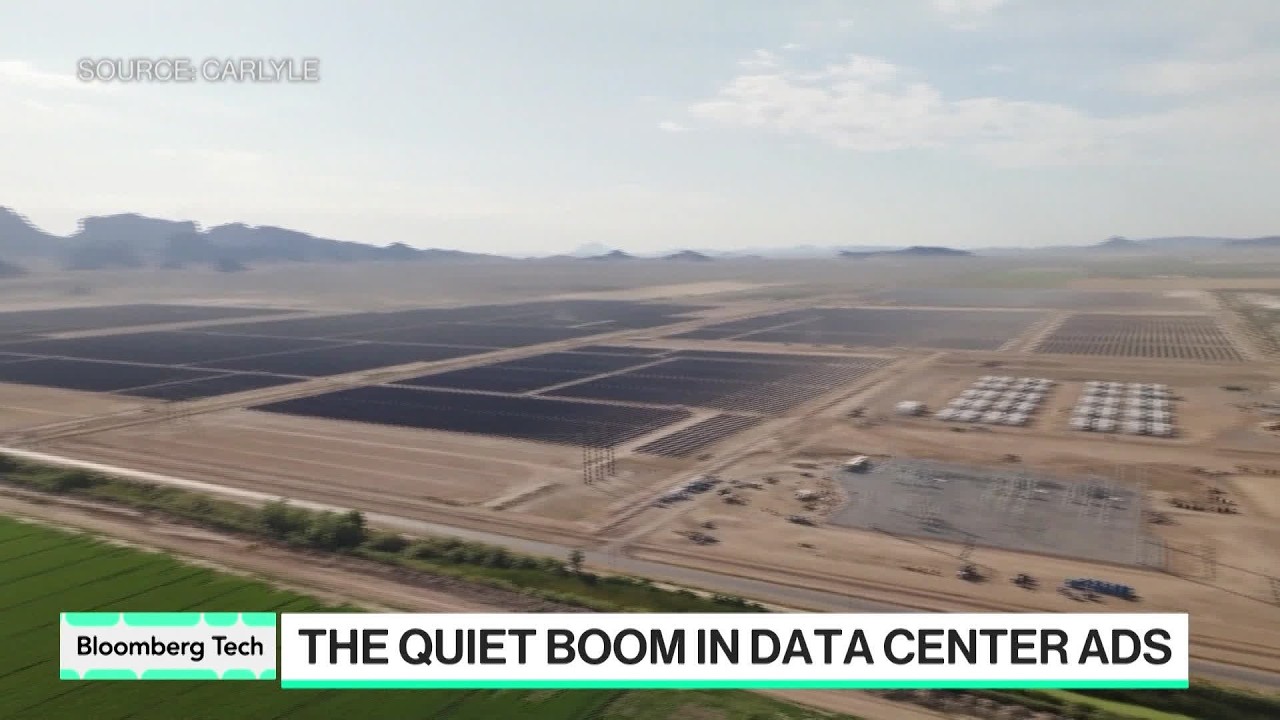
The video highlights the growing scrutiny of data centers in the U.S. due to concerns over electricity and water usage, while emphasizing their critical role in supporting AI development and the digital economy. Industry leaders stress the need to balance environmental and community concerns with continued investment and modernization to maintain U.S. competitiveness in the global AI race.
The video discusses the growing political and public scrutiny surrounding data centers in the United States, especially as voter concerns rise over higher electricity bills and water usage linked to these facilities. Jason Oxman, CEO of the Information Technology Industry Council, highlights that data centers are critical infrastructure for AI and the broader digital economy, creating numerous jobs across construction, trades, and scientific fields. Despite these benefits, there is increasing pushback from communities and politicians, even in states like Virginia and Texas, which are major hubs for data center activity.
Oxman acknowledges that the concerns of everyday Americans about the economic impact and environmental footprint of data centers are valid and that the tech industry is actively responding. He points to initiatives such as ratepayer protection pledges, partnerships with utilities, and significant investments in power generation and grid modernization as examples of the industry’s efforts to mitigate the impact on consumers. Companies like Microsoft and Meta are investing in clean energy projects, including nuclear power and additional generation capacity, to address sustainability concerns.
The discussion also touches on the role of advertising in shaping public perception of data centers. Oxman notes that much of the advertising effort is aimed at correcting misconceptions and educating the public about the essential role data centers play in everyday digital life—from enabling internet connectivity to supporting medical records and communication. He emphasizes that data centers have been a foundational part of the digital infrastructure for decades and are crucial for the continued growth of AI technologies.
A key point raised is the conflation of concerns about data centers with broader anxieties about AI itself. Oxman explains that data centers have become a proxy in the public debate over AI regulation, leading to moratoria and pauses on data center construction in some states. He argues that it is possible to regulate AI responsibly without halting data center development, which is vital for maintaining U.S. competitiveness in the global AI race, particularly against countries like China, Brazil, Argentina, and Chile.
Ultimately, the conversation underscores the tension between economic growth driven by AI infrastructure and the environmental and community concerns it raises. While data center construction and AI investment are expected to continue, the critical question remains whether this growth will happen domestically or shift overseas. Oxman stresses the importance of balancing these interests to ensure that the U.S. remains a leader in AI innovation while addressing the legitimate concerns of its citizens.