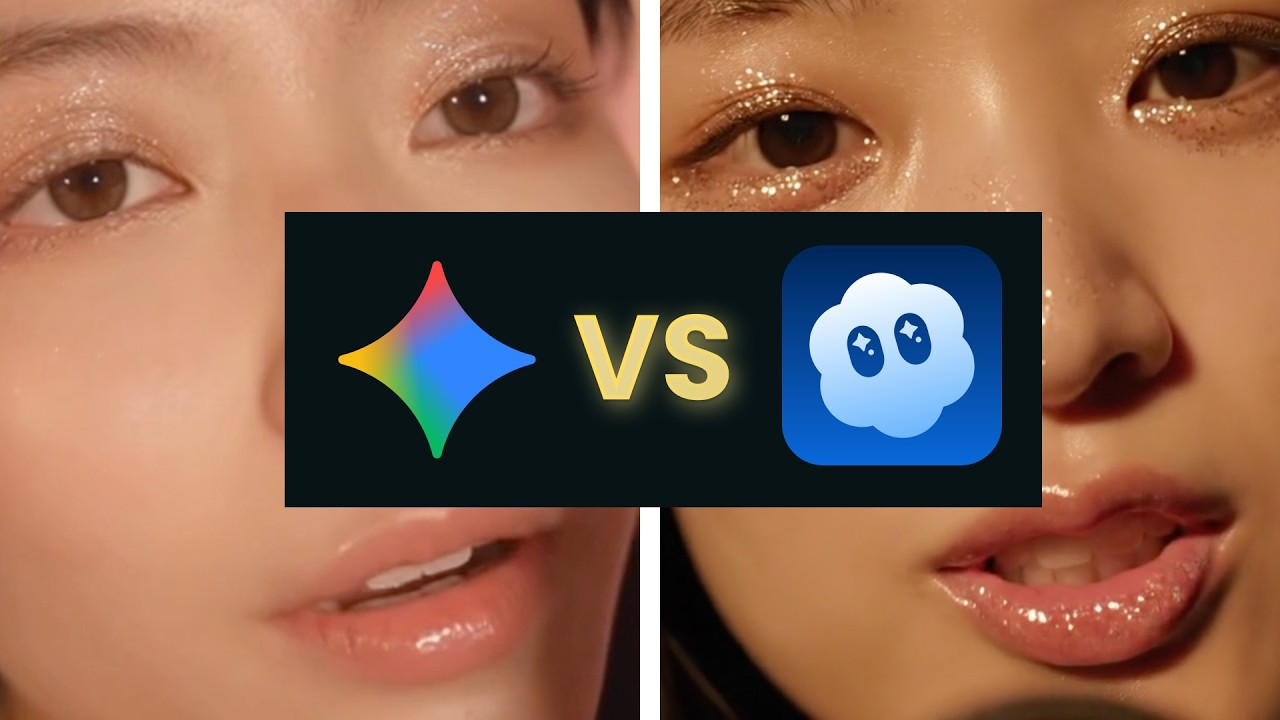
In this video, AI Samson conducts an in-depth comparison between two leading AI video generation tools: Google’s VO 3.1 and Sora 2. The goal is to determine which model performs better across a variety of creative prompts and scenarios. Both tools are tested using identical prompts to evaluate their realism, detail, sound quality, and adherence to the requested scenes. Samson highlights the new features of Google VO 3.1, such as the ability to add or remove objects, extend clips, and use “first and last frame” controls, which provide greater creative flexibility and improved visual consistency.
Throughout the video, Samson showcases several impressive examples generated by VO 3.1, including cinematic sequences, studio-level ads, and realistic character animations. He praises VO 3.1 for its enhanced textures, photorealistic effects, and immersive soundscapes. However, he also points out some minor flaws like occasional morphing issues and unnatural movements in certain scenes. Sora 2, on the other hand, is noted for its dynamic camera movements and closer adherence to some prompts, though it sometimes suffers from lower detail and less realistic visuals.
The video features a series of prompt battles where both models are tasked with creating scenes such as a boy with a paper boat, a woman playing violin in a storm, a cat watching a candle, and a surreal scene of a man walking across reflective flats. In most cases, VO 3.1 delivers more cinematic and visually appealing results with better emotional expression and sound quality. However, Sora 2 occasionally excels in narrative coherence and prompt accuracy, especially in complex action scenes and voiceover quality.
Samson also discusses the censorship policies of both models, noting that VO 3.1 declined to generate a violent scene involving an alligator, whereas Sora 2 produced it despite some visual inconsistencies. He mentions an upcoming AI model called Grock that reportedly has less restrictive censorship. Additionally, Samson highlights the potential of AI video tools for content creators who want to build AI-driven social media accounts without showing their face or using their own voice, promoting his AI influencer masterclass and the Fan View monetization platform.
In conclusion, while VO 3.1 emerges as the overall winner due to its superior realism, detail, and creative control, Sora 2 remains competitive with strengths in dynamic cinematography and prompt fidelity. Samson encourages viewers to consider the specific needs of their projects when choosing between these tools. He invites feedback and suggestions for future videos and recommends checking out his detailed tutorial on using the “first and last frame” feature in AI video creation to unlock new creative possibilities.