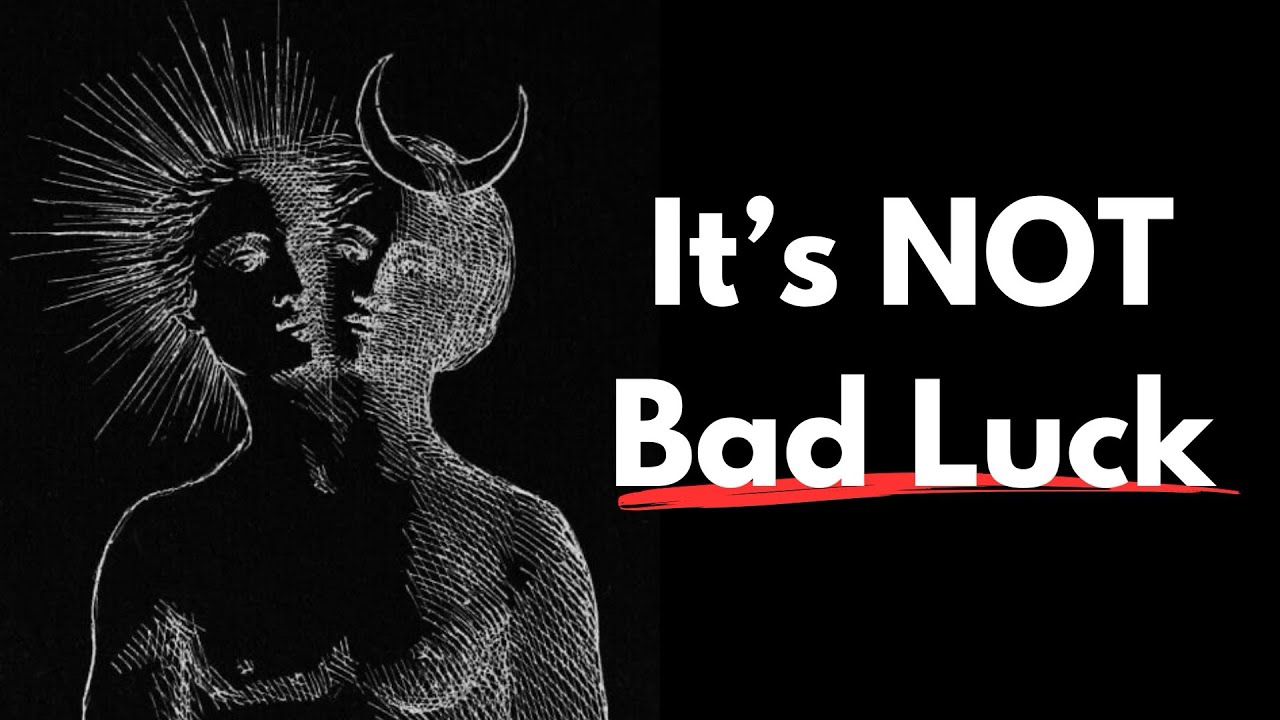
The video discusses the concept of recurring problems in life, such as failed relationships, financial struggles, and feelings of stagnation, through the lens of Carl Jung’s theories. It emphasizes that these patterns are not merely the result of bad luck but are often manifestations of unconscious beliefs and unresolved issues from our past. Jung referred to this phenomenon as “fate,” suggesting that what we perceive as fate is actually our unconscious mind directing our lives until we bring those unconscious patterns to consciousness.
Jung believed that many of our behaviors and choices are influenced by hidden forces stemming from childhood experiences, traumas, and suppressed emotions. For instance, someone who grew up in an emotionally distant environment may struggle to form intimate relationships as an adult, perpetuating a cycle of unfulfilling connections. Similarly, financial instability in childhood can lead to a scarcity mindset, causing chronic financial stress in adulthood. These patterns often go unnoticed, as individuals may think they are making new choices while actually repeating the same script.
To break free from these cycles, the video introduces the concept of “shadow work,” which involves confronting the unconscious aspects of oneself. Jung posited that the “shadow” consists of everything we suppress or deny about ourselves, including fears, shame, and insecurities. By avoiding self-reflection and distraction, individuals miss the opportunity for real change. The video encourages viewers to identify recurring themes in their lives and examine the beliefs driving these patterns, as this self-awareness is crucial for transformation.
The video also highlights the significance of dreams as a gateway to the unconscious. Dreams can reveal hidden emotions and unresolved issues, providing insights into what individuals may be avoiding in their waking lives. By paying attention to recurring symbols and scenarios in dreams, individuals can uncover clues about their unconscious motivations and fears. Additionally, embracing what one resists—such as confrontation or expressing needs—can lead to greater self-understanding and integration of suppressed aspects of the self.
Ultimately, the video stresses the importance of taking responsibility for one’s patterns and choices. It asserts that individuals are the common denominator in their recurring problems and that real change begins with self-reflection and awareness. By making the unconscious conscious and facing the parts of themselves that they fear, individuals can rewrite their life scripts and break free from the cycles of pain and disappointment. The message is clear: until one confronts and understands their inner struggles, they will continue to be ruled by them, but awareness can lead to profound transformation.