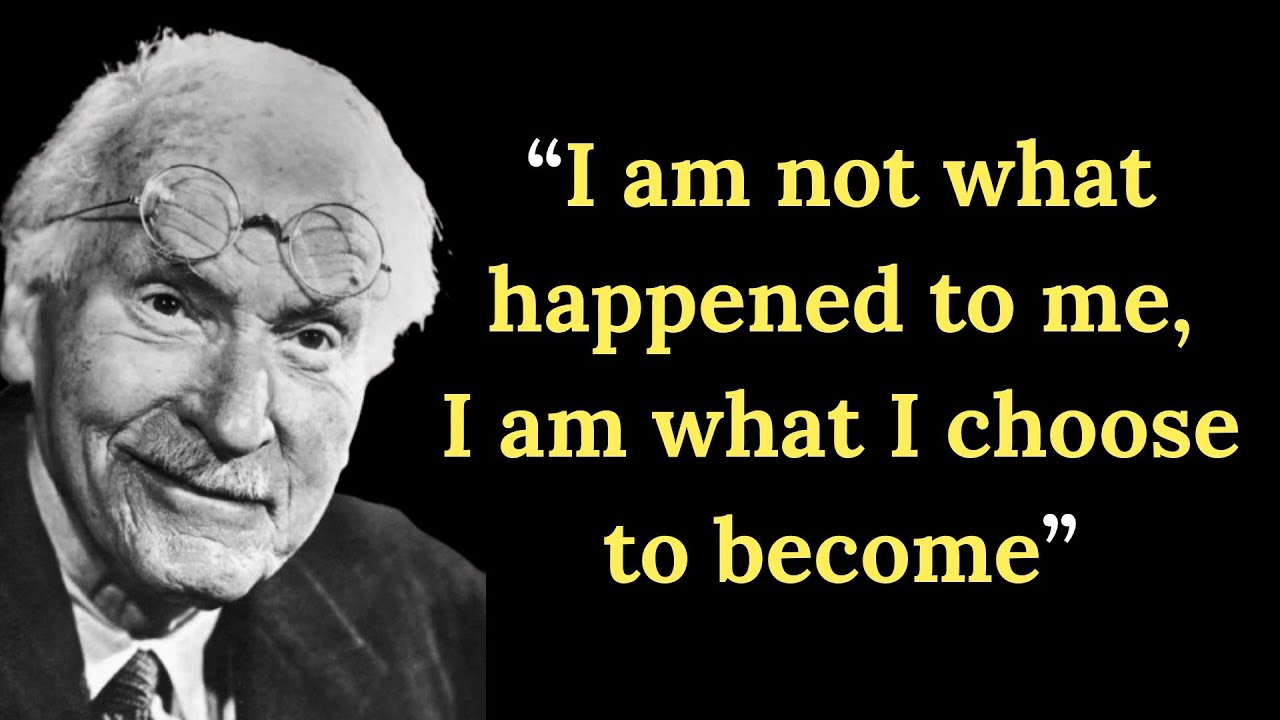
Carl Jung’s philosophy emphasizes the importance of embracing both light and shadow in life, asserting that true meaning comes from understanding and integrating life’s paradoxes. His winning formula, “I am not what happened to me; I am what I choose to become,” highlights the power of choice in shaping our destinies and encourages self-reflection and personal growth despite past experiences.
Carl Jung emphasized that for life to be meaningful, it must embrace wholeness, which includes accepting both light and shadow, chaos and order. He believed that paradoxes are central to existence, and understanding them is key to uncovering life’s mysteries. Jung famously stated that until we make the unconscious conscious, it will dictate our lives, leading us to believe we are victims of fate. His insights provide a framework for navigating life’s complexities, allowing us to balance opposites and find meaning amidst chaos.
Jung’s winning formula can be distilled into the statement: “I am not what happened to me; I am what I choose to become.” This assertion encourages individuals to recognize that while past experiences shape us, they do not define us. The hurt we feel from external insults often reflects unresolved issues within ourselves. By understanding that our reactions to others are mirrors of our internal struggles, we can begin to address and heal those insecurities rather than blaming external circumstances.
The idea that we meet ourselves repeatedly in various forms throughout life highlights the importance of self-reflection. Jung suggested that the challenges we face often stem from within, and accepting responsibility for our growth is crucial. This process requires courage and humility, as it involves confronting uncomfortable truths about ourselves. Embracing this journey can be liberating, allowing us to break free from cycles of resistance and blame.
The second part of Jung’s formula, “I am what I choose to become,” emphasizes the power of choice in shaping our destinies. Regardless of past experiences, we have the ability to choose our responses to life’s challenges. This perspective aligns with Viktor Frankl’s belief that there is a space between stimulus and response where our freedom lies. True growth comes from engaging with difficulties, transforming them into opportunities for self-discovery and empowerment.
Ultimately, Jung’s philosophy invites us to embrace the paradoxes of life, integrating both light and dark aspects of ourselves. Wholeness requires acknowledging our shadow side rather than denying it. By accepting life’s cyclical nature and the inevitability of change, we can find peace and meaning in our experiences. Jung’s formula serves as a powerful reminder that we are not bound by our past; instead, we have the freedom to choose our future and create a life rich with meaning and purpose.