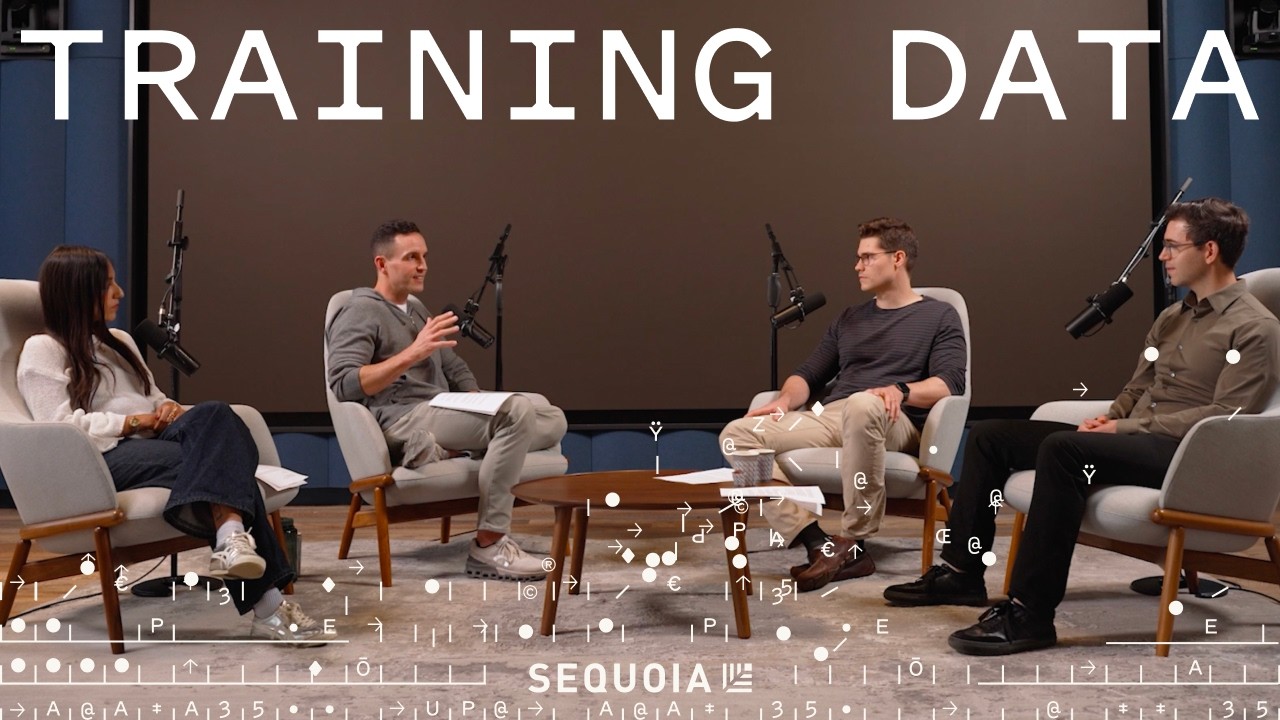
Chai Discovery is revolutionizing drug discovery by applying AI to make the process more like engineering, moving away from traditional trial-and-error methods. The founders, Josh and Matt, emphasize simplicity and scalability in their approach, focusing on building foundational models that can design molecules from scratch rather than just improving existing ones. Their work builds on breakthroughs like AlphaFold for protein folding and the advent of diffusion models, which have enabled the generation of realistic protein structures and sequences simultaneously. This shift allows for more precise and efficient drug design, increasing the success rates of molecules binding to targets from 0.1% to around 15%, a transformative improvement in the field.
The team at Chai Discovery is highly interdisciplinary, combining expertise in AI, biology, chemistry, and engineering. They have strategically grown their team by bringing in top antibody engineers, AI researchers, and product developers to build a robust platform that not only advances research but also delivers practical tools for pharma partners. Their models are built from the ground up, tailored specifically for biological data rather than adapting existing language models, and they leverage large-scale protein sequence and structure databases alongside proprietary lab-generated data to continuously improve their systems.
A core philosophy at Chai Discovery is rigorous evaluation and verification, which is critical given the complexity and variability of biological systems. Unlike some AI applications where progress can be ambiguous, drug design offers objective metrics such as binding affinity and manufacturability that can be experimentally validated, albeit over longer timescales. This rigorous approach ensures that their models deliver consistent, high-quality results that pharma companies can trust, enabling these partners to integrate AI-driven design into their pipelines confidently.
Chai Discovery’s vision extends beyond creating individual drugs to building a comprehensive “computerated design suite” for molecules, fundamentally changing how medicines are discovered. By drastically shortening the cycle from idea to testable hypothesis—from months to weeks or days—they aim to unlock new therapeutic targets that were previously considered undruggable, accelerate personalized medicine, and improve the overall quality and specificity of drugs. This paradigm shift promises to make drug development faster, more cost-effective, and more innovative, ultimately benefiting patients worldwide.
Looking ahead, Chai Discovery is focused on scaling their technology and partnerships, with excitement about the rapid pace of progress and deployment in real-world pharma settings. They acknowledge the challenges of maintaining large-scale compute infrastructure and ensuring production-level reliability but find motivation in the tangible impact their work is beginning to have. Their commitment to simplicity, rigorous validation, and continuous iteration positions them at the forefront of AI-driven drug design, with the potential to transform the pharmaceutical industry over the next decade and beyond.