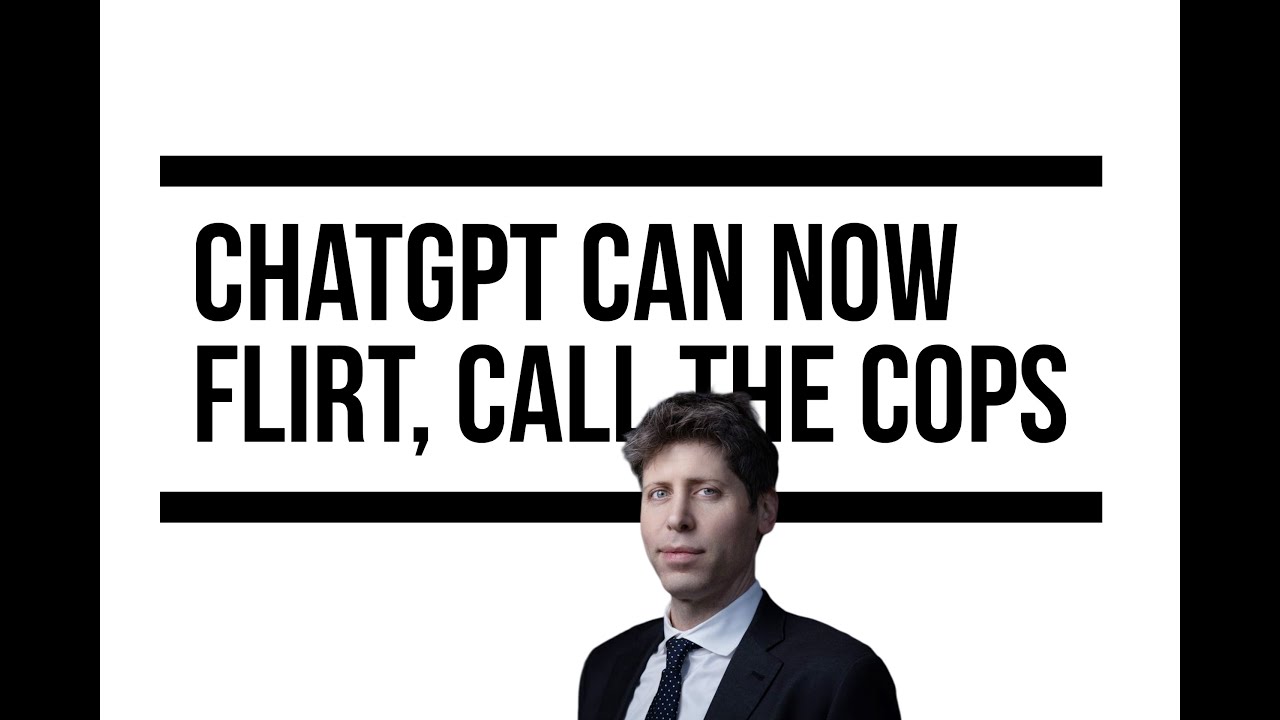
The video discusses recent announcements from OpenAI regarding new safety and privacy features in ChatGPT, particularly focusing on child protection measures. OpenAI plans to develop a system to assess whether users are under 18 and, in some cases, flag conversations for parental or law enforcement review. For users identified as teens, ChatGPT will avoid flirting and may contact authorities in extreme situations. If the system is uncertain about a user’s age, it defaults to treating them as under 18, with adults given options to verify their age to access full features. Parental controls will soon allow parents to set usage limits, such as blackout hours, and the system will prioritize alerting parents if a teen is in distress before involving law enforcement.
Another significant announcement is OpenAI’s intention to advocate for legal protections that grant users the same level of privacy in AI conversations as they would have with doctors or lawyers. This move acknowledges that many people use AI for sensitive and private matters. However, the video raises concerns that such protections could create high regulatory barriers for startups and open-source projects, potentially stifling innovation. There is also speculation that this push for privacy protections might be a response to regulatory inquiries, such as those from the Federal Trade Commission, about AI safety and user data handling.
The video also touches on ChatGPT’s approach to flirting, noting that the AI will now comply with adult users’ requests to engage in flirtatious or fictional storytelling, provided the user is verified as an adult. This marks a shift from previous behavior where the AI might have refused such interactions. The overall theme of these updates is a balance between safety, privacy, and user experience, with OpenAI aiming to implement these features responsibly, though the video expresses some skepticism about the challenges involved.
A particularly noteworthy part of the video is a quote from OpenAI CEO Sam Altman, who previously stated that AI could eliminate up to 70% of jobs, acknowledging potential social disruption. However, in a recent interview, Altman suggested that the full impact on employment might not be felt until the end of the century, comparing the rate of job changes to historical averages and describing the current period as a “punctuated equilibrium” with rapid but not unprecedented disruption. This nuanced view contrasts with earlier, more alarmist statements and highlights the complexity of predicting AI’s long-term effects on the workforce.
Finally, the video reflects on the evolving perspectives of AI leaders, including Demis Hassabis of DeepMind, who has moderated earlier claims about AI capabilities, emphasizing that current models are not yet at the level of general intelligence or expert human performance across all domains. The video concludes by noting the rapid advancements in AI’s ability to assist with coding and software development, encouraging viewers to explore new job opportunities in the AI field and highlighting the importance of staying informed about both the technical and social implications of AI progress.