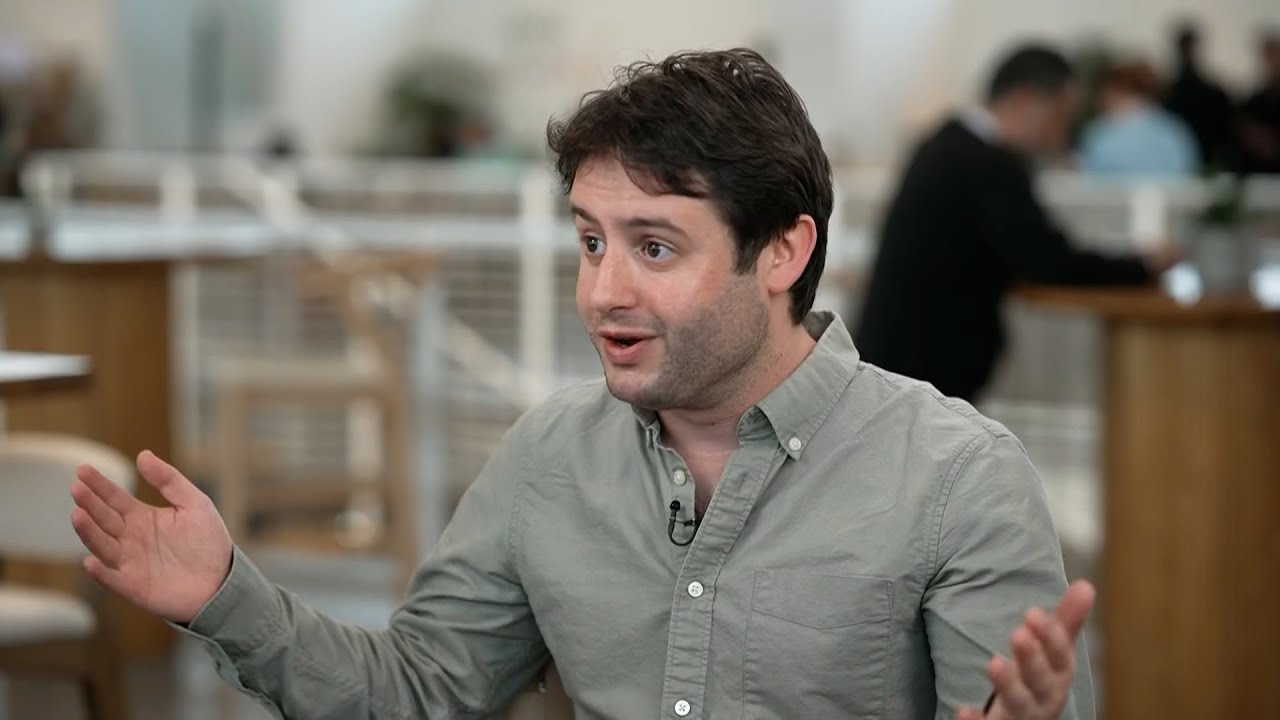
The Figma CEO highlights the integration of ChatGPT into Figma’s FigJam to streamline the creative process by enabling users to generate and edit diagrams through chat interactions, enhancing collaboration and design iteration. This integration complements existing workflows, supports a broader ecosystem strategy, and reflects optimism about AI’s potential to empower designers and accelerate innovation in software development.
The Figma CEO discusses the integration of ChatGPT into Figma’s platform, emphasizing the goal of creating a seamless journey from idea to app. One of Figma’s products, FigJam, is highlighted as a tool for ideation, brainstorming, and diagramming, which is crucial for team planning and decision-making. The CEO points out a common challenge where users can understand diagrams generated by code like Mermaid but struggle to express or manipulate them effectively. The integration with ChatGPT aims to bridge this gap by allowing users to generate diagrams through chat interactions and then easily import and edit them within FigJam, enhancing collaboration and expression.
The CEO explains that the integration is designed to complement the existing workflow rather than replace it. Users can start with a ChatGPT session to brainstorm and generate content, then convert that into diagrams in FigJam for further refinement and sharing. This approach supports a more iterative and flexible design process, enabling users to think bigger and iterate faster. The integration also addresses the growing importance of design literacy and visual communication in software development, helping more people express their ideas clearly and effectively through high-quality visuals.
Regarding concerns about whether the integration might divert users’ attention away from FigJam, the CEO does not see it as a problem. Instead, they view it as an enhancement that allows users to work more efficiently by combining the strengths of both platforms. The CEO shares a personal example of using ChatGPT to create a complex tech tree diagram, noting that the new integration significantly reduced the time and effort required. This improvement demonstrates how better AI models and richer context can empower users to create and iterate on ideas more quickly and at a larger scale.
The CEO also touches on the broader ecosystem strategy, explaining that Figma aims to extend its platform to support various tools and workflows, including competitors, through integrations with AI technologies like OpenAI’s. The vision is to enable a smooth transition from prompt to app development in a single step, fostering a collaborative and open ecosystem. This approach reflects the belief that design is a critical differentiator in software development and that empowering designers with advanced tools will drive innovation and success in an increasingly fast-paced industry.
Finally, the CEO reflects on the excitement surrounding AI and its impact on technology and design. They describe the current moment as one filled with new opportunities and “toys” for engineers and designers to experiment with and invent the future. While the ultimate direction of AI remains uncertain, the CEO expresses optimism about the potential to improve user experiences and create better products. The partnership with OpenAI is seen as a collaborative effort to push the boundaries of what is possible and deliver meaningful advancements to Figma users.