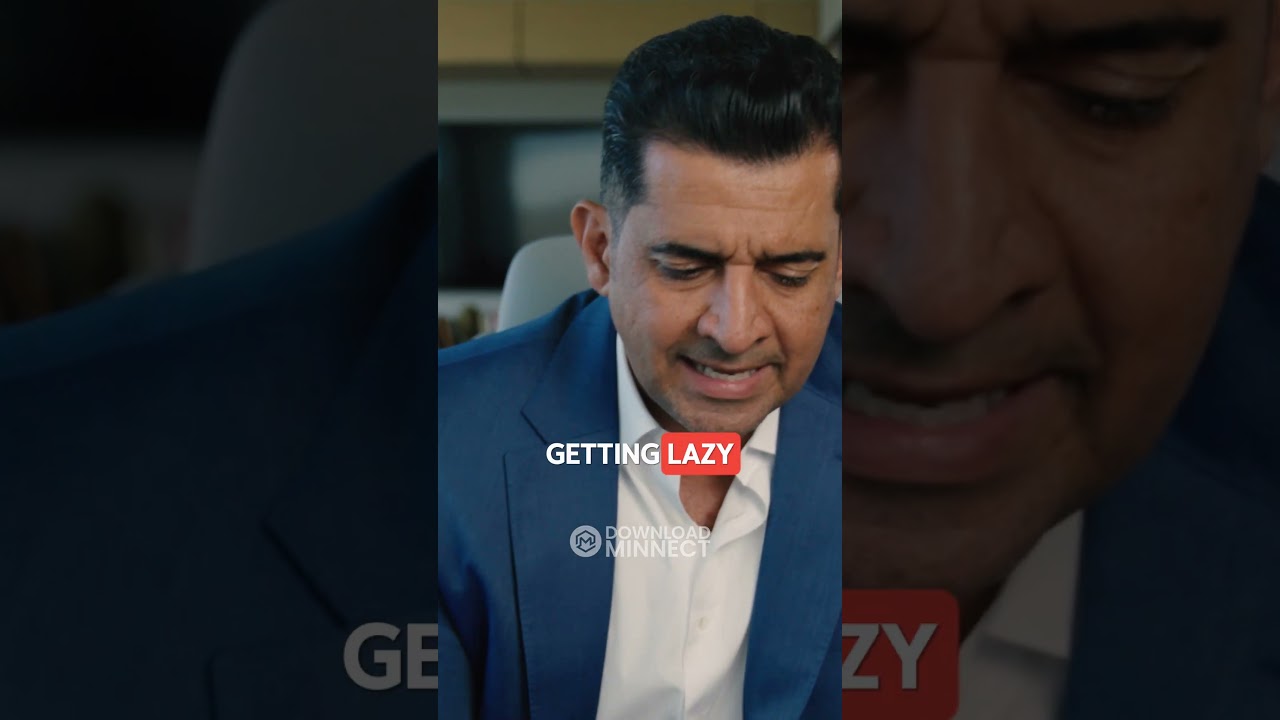
The video highlights how excessive reliance on ChatGPT is causing users, especially students, to become mentally lazy by copying AI-generated content without critical engagement, resulting in uniform, soulless writing that lacks personal voice and originality. It warns that this trend threatens independent thinking and creativity, urging a balanced use of AI tools to support rather than replace genuine intellectual effort.
The video discusses the growing concern over how reliance on ChatGPT is fostering mental laziness among users, particularly students. Initially, participants used the AI tool as a helpful assistant, but over time, their dependence increased significantly. By the time they reached their third essay assignment, most had stopped engaging critically with the content generated by ChatGPT, opting instead to copy and paste entire responses without making any edits or personalizations.
This shift highlights a troubling trend where users no longer feel the need to inject their own thoughts or creativity into their work. The video emphasizes that this behavior results in writing that lacks a personal signature or unique voice, essentially becoming a product of the AI rather than the individual. The convenience of ChatGPT, while beneficial in some respects, is inadvertently encouraging users to become lazier in their approach to writing and critical thinking.
Educators have noted that essays produced with the help of ChatGPT tend to be uniform and emotionless. While the AI-generated content is grammatically correct and coherent, it often misses the depth and originality that come from genuine human insight. This uniformity makes the writing feel sterile and soulless, lacking the personal touch that reflects the writer’s unique perspective and critical engagement with the topic.
The video also touches on the broader implications of this trend for education and intellectual development. When students rely too heavily on AI tools, they risk undermining their ability to think independently and develop essential skills such as analysis, synthesis, and creative expression. The concern is that over time, this could lead to a decline in the quality of academic work and a diminished capacity for original thought.
In conclusion, while ChatGPT offers valuable assistance, its overuse can lead to mental laziness, soulless writing, and a loss of personal voice in academic work. The video calls for a balanced approach where AI tools are used to support, rather than replace, critical thinking and creativity. Educators and users alike are encouraged to remain mindful of these challenges to ensure that technology enhances rather than diminishes intellectual growth.