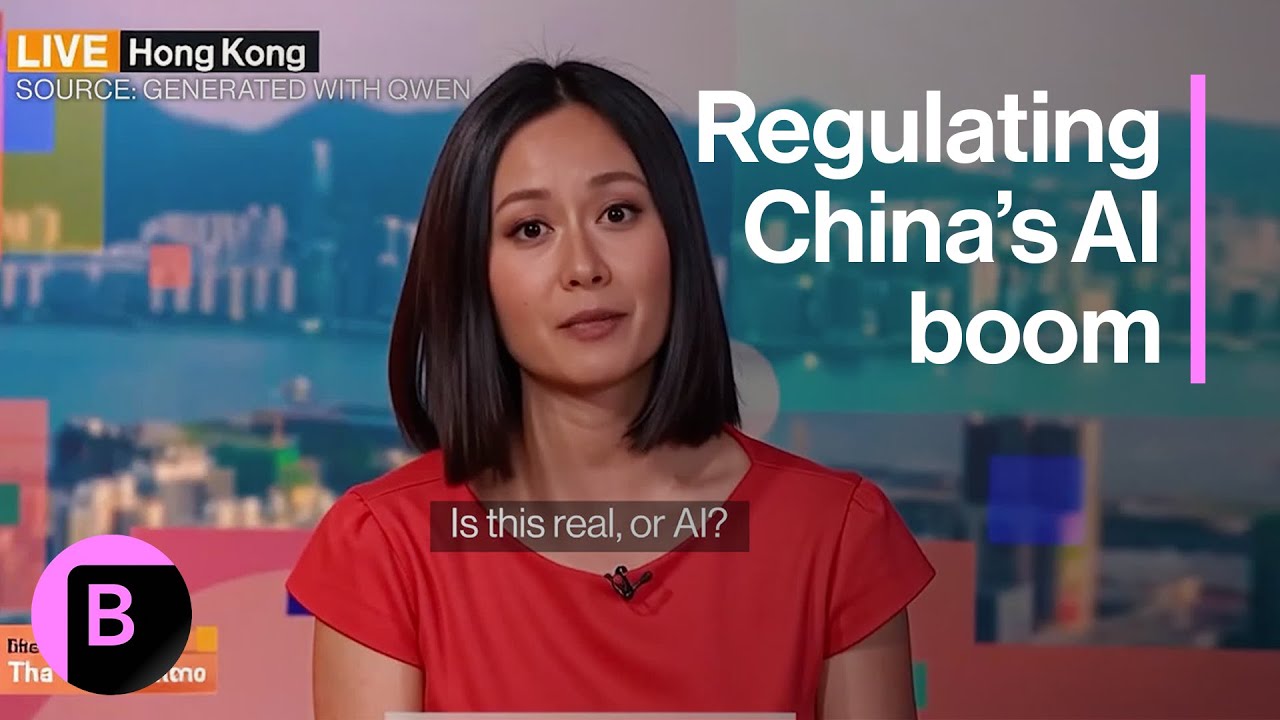
China’s rapid AI boom, led by companies like Alibaba and Tencent, is boosting productivity but raising concerns over job losses, intellectual property infringement, and the displacement of creative roles. While the government is introducing some regulations and legal protections, it faces the challenge of balancing technological advancement with the risk of widespread unemployment and social instability.
China is experiencing a rapid boom in artificial intelligence (AI), with major tech companies like Alibaba and Tencent making advanced video generation tools widely accessible, sometimes even for free. These tools can create realistic videos from just a single screenshot or a text prompt, leading to significant productivity gains for industries such as gaming and entertainment. For example, game developers report that AI has drastically reduced the time and cost required to produce content.
However, this technological leap is raising serious concerns, particularly in creative industries. Major entertainment companies like Disney and Paramount have accused Chinese AI video generators of intellectual property infringement, as these tools can produce near-cinematic scenes that closely resemble copyrighted material. There is growing fear that AI could replace not only repetitive or mundane tasks but also jobs that require creativity and artistic skill.
The economic impact of AI-driven automation is profound. According to the China Economic Journal, over 30% of urban jobs—amounting to about 142 million positions—could be lost to AI by 2049. This poses a significant threat to social stability, especially as millions of new graduates enter an already sluggish job market each year. Policymakers are thus faced with the challenge of fostering technological growth while managing the disruptive effects on employment.
Regulatory concerns are also at the forefront. Experts warn that without appropriate regulations, up to 40% of jobs in sectors like finance and IT could be lost almost immediately. The Chinese government is grappling with how to balance the need to stay competitive with the United States in AI development against the risk of widespread job losses. Suggestions include implementing targeted tax policies on AI to offset the economic impact and protect the consumer economy.
In response, China has begun to set some early legal guardrails. A landmark arbitration case in Beijing ruled that dismissing employees solely due to AI adoption is illegal, requiring companies to prioritize retraining and reassignment. Despite these measures, the government’s current focus appears to be on accelerating technological advancement, even if it means some workers may be left behind. The situation remains fluid as China seeks to navigate the complex intersection of innovation, regulation, and social stability.