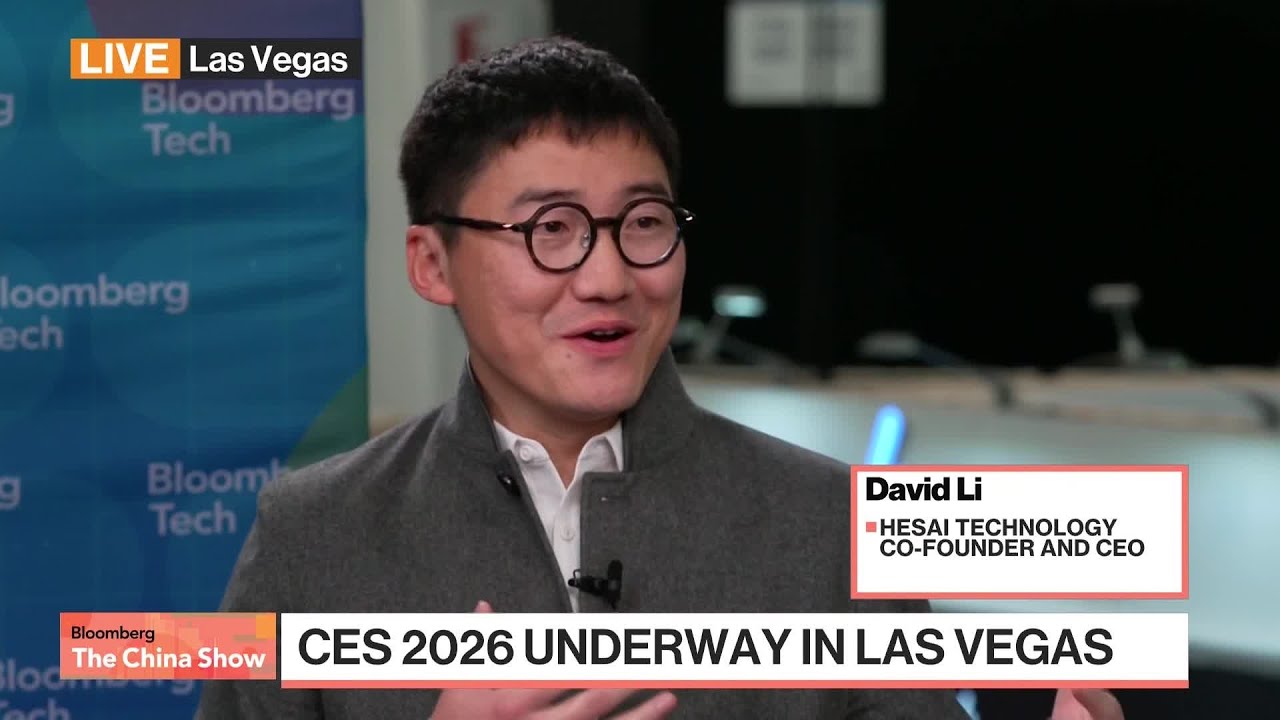
Hesai, a leading Chinese lidar sensor manufacturer, has officially announced a partnership with Nvidia to supply lidar sensors for Nvidia’s Hyperion autonomous driving platform. The company’s CEO likened the announcement to a “hard launch,” revealing that Hesai and Nvidia have been collaborating behind the scenes for some time. This partnership is significant because it streamlines the process for automotive OEMs (original equipment manufacturers) by providing a proven, integrated hardware and software ecosystem, reducing the need for redundant development and retraining of AI models.
The CEO emphasized the vast potential of this collaboration, noting that while the Chinese automotive market is substantial—between 25 to 28 million cars annually—the global market exceeds 80 million vehicles. Working with Nvidia opens up opportunities beyond China, especially in higher-end and more advanced automotive segments worldwide. This global reach is expected to significantly expand Hesai’s market, making the opportunity much larger than focusing on China alone.
Addressing geopolitical and regulatory challenges, particularly tensions with the United States, Hesai is building a new manufacturing facility in Thailand, set to begin production in early 2027. This factory will serve global OEM demand, ensuring compliance with international regulations on hardware, data, and software. For now, most of Hesai’s business remains in China, but the company anticipates a more balanced distribution between China, Europe, the US, and other regions as the Thailand facility comes online.
Competition in the lidar market remains intense, with other Chinese companies like RoboSense pivoting to new markets and US-based Luminar recently declaring bankruptcy. The CEO pointed out that the biggest challenge is convincing automakers who are hesitant to adopt lidar technology. Hesai has shipped over two million units, with data showing that lidar-equipped vehicles can reduce fatal accidents by up to 90%. Additionally, the cost of lidar sensors has dropped dramatically—from $50,000 to $200—making the technology more accessible and opening new market opportunities.
Beyond electric vehicles, Hesai sees potential for lidar in various robotics applications, such as humanoid robots and autonomous lawnmowers. The company leverages its automotive expertise—particularly from the highly competitive Chinese market—to expand into these new areas. Hesai’s standardized technology allows it to serve diverse robotics markets without tailoring products for each niche, and the CEO believes that, over time, the value and margins from non-automotive applications could surpass those from the automotive sector.