Chinese AI startup Moonshot’s new model, Kimi K3, has disrupted AI and semiconductor markets by offering potentially cost-efficient alternatives, raising concerns about U.S. companies’ reliance on Chinese technology and intensifying global competition. Despite challenges, major U.S. players like Google are expected to remain competitive by innovating to balance performance, cost, and regulatory demands amid shifting geopolitical dynamics.
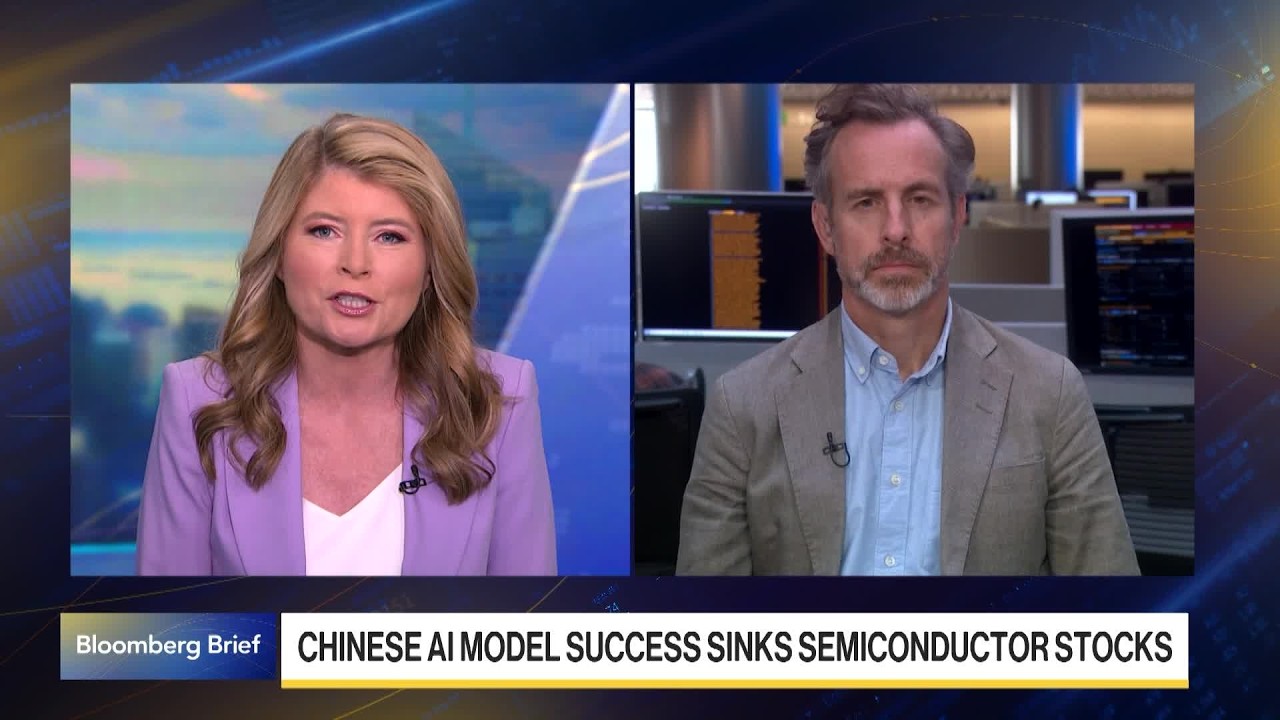
Chinese AI startup Moonshot has introduced a new AI model, Kimi K3, which has caused a significant drop in AI and semiconductor stocks. This development has raised concerns that U.S. companies might increasingly rely on Chinese AI models, potentially reducing their investments in domestic firms like Anthropic. The market is closely watching how Kimi K3 compares to established models, but its emergence signals a shift in the competitive landscape.
Bloomberg Intelligence analyst Matt Bloxham notes that while it is still early to fully assess Kimi K3’s capabilities against major U.S. models, the key issue is cost efficiency. Companies are becoming more sensitive to the expenses associated with using AI models, and any technology offering comparable performance at a lower cost is likely to gain traction. This dynamic is putting pressure on leading U.S. AI developers such as Anthropic, OpenAI, and Google to innovate in ways that maintain high performance while reducing costs.
President Xi Jinping’s recent speech emphasizing China’s commitment to AI and its openness to sharing training resources with developing countries is influencing market sentiment. The competition between China and the U.S. is increasingly focused on these third countries, where regulations on technology sourcing are less stringent. This presents a significant growth opportunity for technology companies willing to expand their influence beyond their home markets.
Regarding Google’s position, Bloxham suggests that while the company faces challenges, particularly with its Gemini AI model, these are not insurmountable. The rapid evolution of AI models has made it harder to achieve major breakthroughs, and increased scrutiny from the U.S. government adds complexity. Google must balance regulatory compliance with the need to stay competitive, but it is expected to launch a competitive product soon that will keep it relevant alongside OpenAI and Anthropic.
Overall, despite concerns about Chinese advancements and geopolitical tensions, Google remains a strong player in the AI space. The company has performed better than many anticipated in recent years, and the ongoing technological race is pushing all major players to innovate. The evolving AI landscape underscores the importance of cost, performance, and strategic market expansion in maintaining leadership in this critical sector.