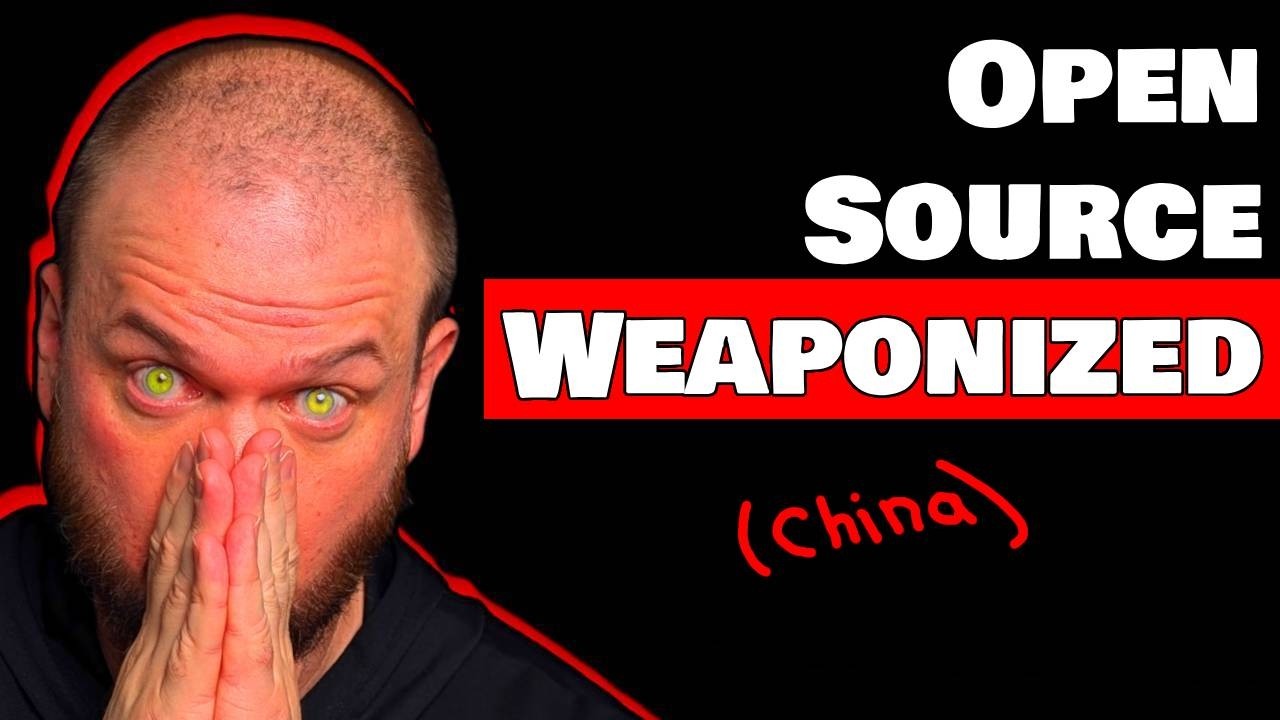
The video discusses China’s advancements in open-source AI and robotics, highlighting how these developments could disrupt the tech market by providing cheaper alternatives to US tech companies, potentially leading to a shift in the global tech landscape. It raises concerns about the militarization of AI and emphasizes the need for the US to adopt open-source strategies to maintain its technological leadership.
The video begins with a discussion about a Chinese robot that has been programmed to dance, but the tone shifts dramatically when the robot is shown wielding axes, leading to a mix of fascination and fear about the implications of such technology. The narrator highlights China’s advancements in robotics and AI, emphasizing that many of these developments are open source. This open-source approach allows for broader access and lower costs compared to Western counterparts, which could disrupt the tech market significantly.
The narrator references insights from Balaji, a tech analyst, who predicts a surge of Chinese open-source AI models across various applications, including computer vision and robotics. He notes that the release of certain models has already caused significant drops in the market value of major US tech companies. The strategy appears to be aimed at undermining US tech by offering cheaper alternatives, similar to how China previously approached manufacturing. This could potentially lead to a shift in the global tech landscape, with China gaining a competitive edge.
China’s strategy is further explained through its historical context of being seen as a copycat in technology. However, with recent advancements, particularly in AI, there is a growing sense of national pride and ambition to lead in this field. The open-source nature of these models allows for rapid integration and innovation at various levels, from local officials to small companies, which is facilitated by platforms like WeChat. This grassroots development could amplify China’s influence in the global tech ecosystem.
The video also discusses the implications of open-source AI on the future of technology. The narrator suggests that if China succeeds in making high-quality AI models available for free or at low costs, it could severely impact the profitability of US tech companies that rely on proprietary models. The ability to run open-source software locally allows for customization and circumvention of censorship, making it an attractive option for developers worldwide. This could lead to a scenario where the US struggles to compete against the scale and affordability of Chinese offerings.
Finally, the video raises concerns about the potential militarization of AI and robotics, as nations may leverage these technologies for competitive advantage. The narrator reflects on a leaked memo from Google that warned about the rapid advancements in open-source AI, suggesting that the US needs to embrace open-source strategies to maintain its leadership in technology. The discussion concludes with an invitation for viewers to share their perspectives on the implications of this evolving landscape, particularly regarding the balance between innovation and competition on a global scale.