Alibaba’s recent financial results show profitability being squeezed by competition, but this is not seen as a major concern. The company had already signaled significant investments in AI for 2025 and plans to double that in 2026, which explains the current pressure on income. Despite this, Alibaba’s AI initiatives, such as its token hub, are progressing as planned and show strong potential for future growth. The company has reported its tenth consecutive quarter of triple-digit AI revenue growth, suggesting a clear path toward ambitious revenue targets.
When comparing Alibaba to competitors like Tencent, the discussion highlights Tencent’s advantage with WeChat and its integration of agentic AI, which is more visible and widely adopted. However, Alibaba’s open-source AI model, Qwen, is praised for its performance and local adoption, running efficiently even on consumer hardware. The token hub is expected to benefit from the rise of agentic AI, as these systems will require tokens to operate, further boosting Alibaba’s AI revenue streams.
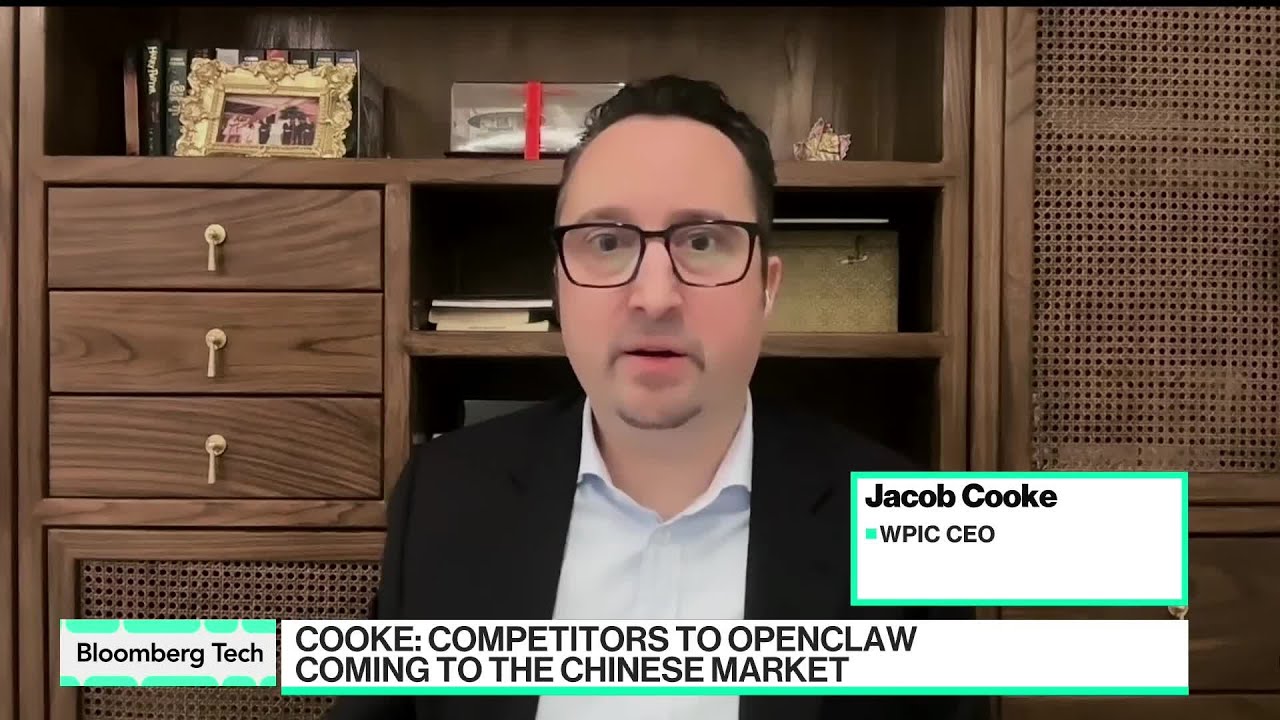
AI adoption in China is described as widespread and rapidly growing, not just among tech-savvy users but also the general public. The ability to run advanced AI models locally on affordable hardware has democratized access, making AI tools available to a much broader audience. This trend is reflected in the popularity of devices like Mac Minis and Raspberry Pis, and is supported by local governments, which are even offering classes to help people set up these systems.
Regulatory risks are acknowledged, especially for major players like Alibaba and Tencent, but the current environment in regions like Jiangsu and Zhejiang is described as supportive. While there may be some concerns about security and the use of open-source models in state-backed enterprises, alternatives tailored for the Chinese market, such as Moonshot’s KimiClaw, are emerging. These alternatives are expected to be more compatible with local regulations and the “firewall” environment.
For brands and marketers looking to access Asian consumers, AI has significantly lowered barriers to entry. Generative AI enables companies to localize content, manage inventory, and interact with customers across multiple languages and markets more efficiently. The landscape is highly innovative, with numerous AI startups emerging alongside giants like Alibaba and Tencent. The ecosystem is likened to Silicon Valley, with rapid innovation and a shrinking barrier to entry, promising an exciting period of growth and opportunity in the region.