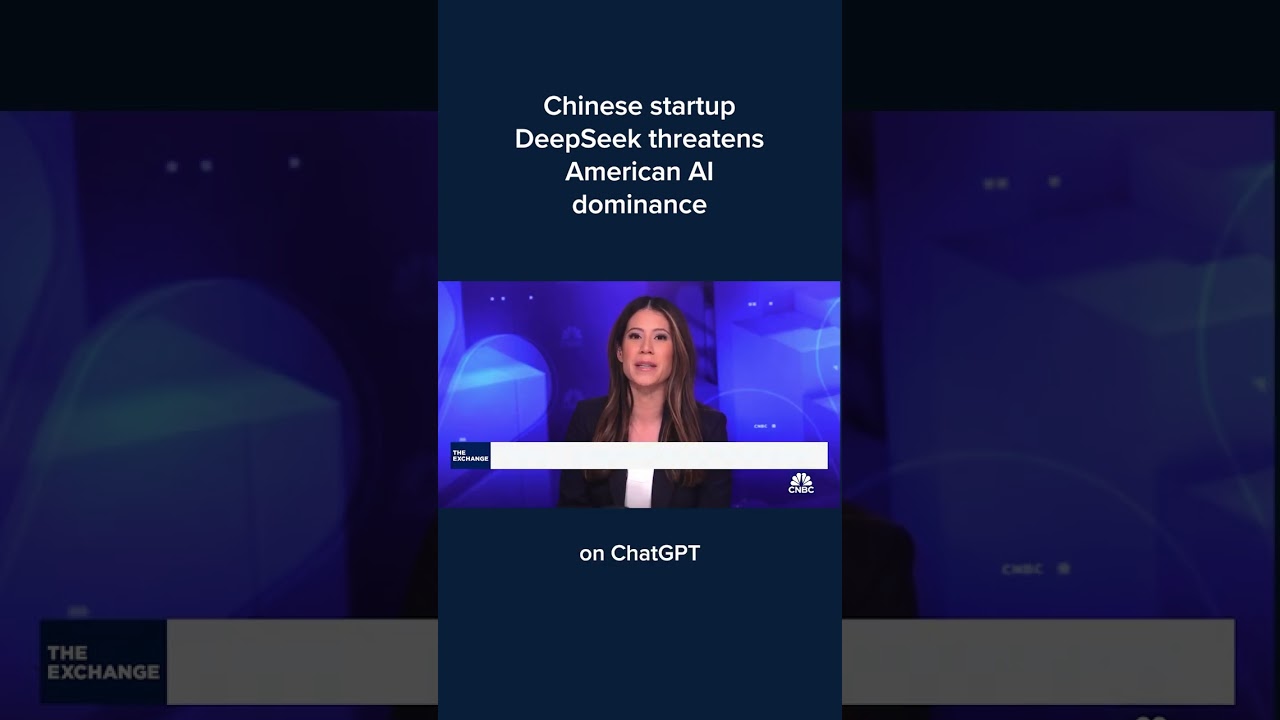
The video highlights the rapid emergence of the Chinese startup DeepSeek, which developed a competitive AI language model in just two months for under $6 million, raising concerns about the sustainability of American tech giants’ dominance in the AI space. DeepSeek’s success suggests that barriers to entry in AI development are diminishing, potentially disrupting market dynamics and leading to increased competition and innovation in the industry.
The video discusses the emergence of a Chinese startup called DeepSeek, which has developed a competitive AI language model in a remarkably short time frame. While established companies like Google and OpenAI have invested years and billions of dollars into creating advanced large language models, DeepSeek managed to create a comparable model in just two months, utilizing relatively inexpensive hardware costing less than $6 million. This rapid development raises questions about the sustainability of the current dominance held by American tech giants in the AI space.
DeepSeek’s model reportedly functions similarly to OpenAI’s ChatGPT, and the narrator shares their experience testing it. When prompted about its origins, the model claimed to be based on OpenAI’s GPT-4 architecture, suggesting that it may have been trained on outputs from ChatGPT. This raises concerns regarding potential violations of terms of service and intellectual property, as it implies that new models can be built using existing outputs from established systems.
The video highlights the implications of DeepSeek’s success for the AI industry. The ability to create state-of-the-art models at a fraction of the cost and time indicates that the barriers to entry in AI development are diminishing. This trend could lead to increased competition and innovation, challenging the current leaders in the field, such as OpenAI, Google, Anthropic, and Meta.
Furthermore, the narrator emphasizes that if startups like DeepSeek can produce high-quality AI models quickly and affordably, it could disrupt the market dynamics and shift the balance of power in the AI landscape. The traditional advantages held by established companies may be eroding, as new players can leverage existing technologies and knowledge to create competitive alternatives.
In conclusion, the emergence of DeepSeek serves as a wake-up call for the AI industry, signaling that the landscape is changing rapidly. As new entrants demonstrate the ability to develop advanced models with minimal investment, the dominance of American companies may be challenged, leading to a more diverse and competitive environment in AI development. This shift could have significant implications for innovation, regulation, and the future of artificial intelligence globally.