Cisco is deploying personalized AI agents to its 90,000 employees, leveraging its own open-source AI infrastructure and networking expertise to enhance productivity and automate routine tasks while maintaining control over costs and customization. This initiative underscores the importance of human oversight to manage AI limitations and reflects a broader industry trend of integrating tailored AI solutions within large enterprises rather than relying solely on external providers.
Cisco is rolling out personalized AI agents to each of its 90,000 employees, aiming to boost efficiency and automate routine tasks. This move highlights how large corporations are increasingly valuing AI tools enough to develop their own in-house AI infrastructure rather than relying on external providers like OpenAI or Anthropic. Cisco’s approach leverages open-source models and its existing technological capabilities, particularly in networking, to build a tailored AI stack that suits its needs. The company is positioning itself at the core of AI infrastructure development, especially focusing on the critical networking layer required to support massive AI workloads.
Mark Patterson, Cisco’s CFO, emphasizes that AI represents the most significant technological shift the company has experienced, underscoring the importance of networking in AI systems. While much public attention focuses on GPUs and large language models, Cisco’s expertise in networking is crucial for connecting the vast number of servers needed to run AI at scale. Cisco is investing heavily in building out this infrastructure on-site, which allows them greater control over costs and customization. This strategy also raises questions about the valuation of AI companies that primarily provide AI services externally.
The AI agents provided to employees are designed to select the most appropriate AI tool for each task, enhancing productivity without necessarily relying on the most resource-intensive frontier models. This pragmatic approach reflects a broader industry trend of using the right tool for the job rather than defaulting to the most advanced or expensive AI models. Cisco’s AI tools are already assisting with financial reporting, generating up to 90% of first drafts for mandatory documents, which speeds up workflows but still requires human oversight to catch errors and hallucinations—AI’s tendency to fabricate information.
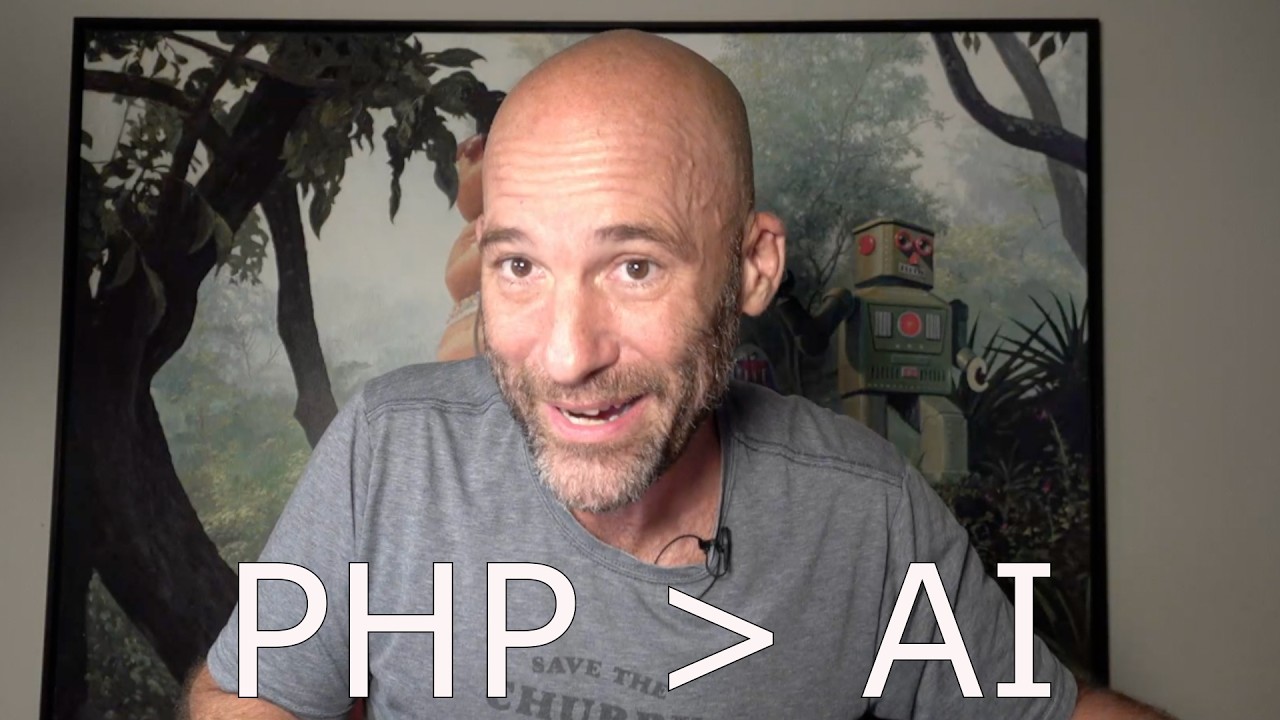
Despite the AI branding, some of the functionalities described, such as generating dashboards and comparing financial metrics, could theoretically be accomplished with traditional technologies like PHP and SQL. This raises the issue of “AI washing,” where projects are labeled as AI-driven to secure funding or attention, even if the underlying technology is relatively straightforward. The speaker suggests that while AI can automate many tasks, the real value lies in employees’ ability to critically evaluate AI outputs, especially to identify inaccuracies that AI might produce.
Overall, Cisco’s deployment of AI agents illustrates both the promise and challenges of integrating AI into large enterprises. The company’s in-house AI stack and focus on networking infrastructure position it well in the evolving AI landscape. However, the discussion also highlights the importance of discerning the actual AI content in these tools versus traditional computing methods, as well as the need for skilled human oversight to maximize AI’s benefits while mitigating its risks. This case serves as a microcosm of broader trends in AI adoption across industries.