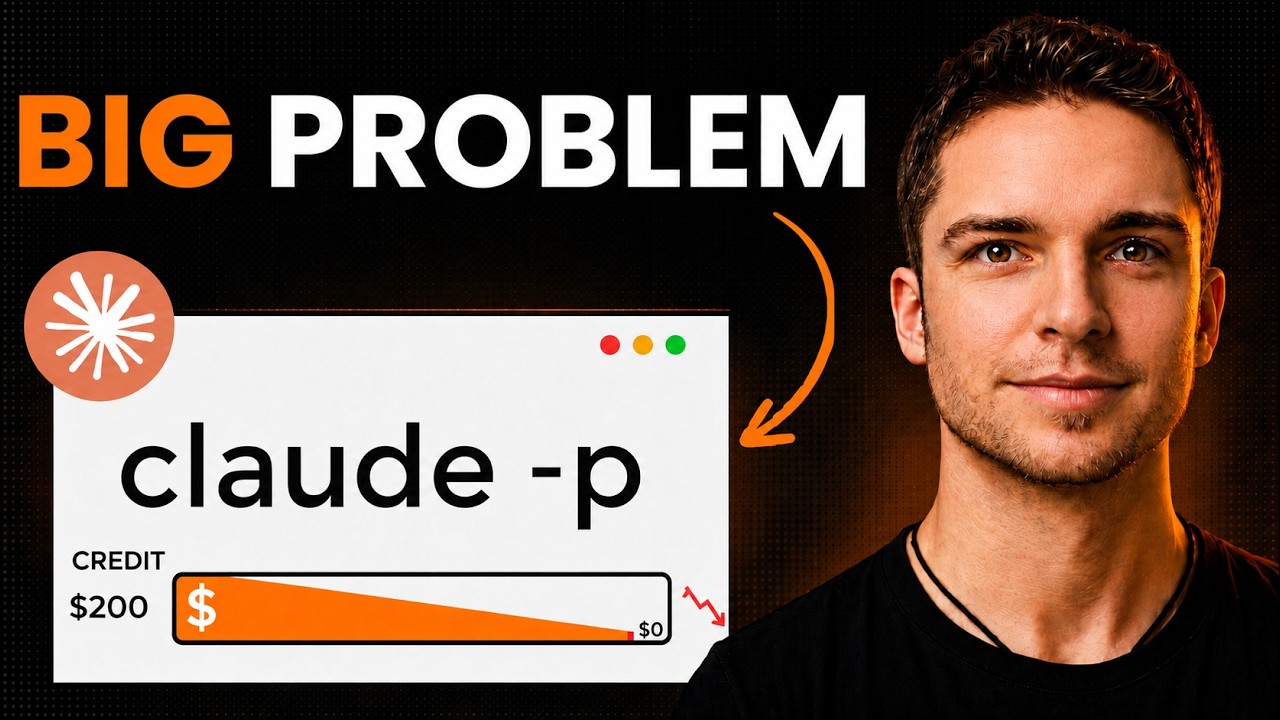
Anthropic has recently announced significant changes to their billing model, specifically affecting Claude MinusP and the agent SDK. Previously, these services were included within user subscriptions, but starting June 15th, they will shift to a new billing system based on API usage credits. This change impacts users who run Claude headlessly, such as through cron jobs or integrated apps, and especially those who have built elaborate AI operating systems (AOS) relying on these tools. The new model introduces credit limits ranging from $20 to $200 depending on the subscription plan, and exceeding these limits will incur additional charges, making current setups potentially costly and unsustainable.
The interactive use of Claude, such as through the IDE or desktop app, remains unaffected by these changes. However, headless operations and agent SDK usage will now be billed differently, which poses challenges for developers and businesses relying heavily on these functionalities. The video emphasizes the importance of not panicking but instead carefully auditing current usage. Users should measure token consumption, frequency of skill runs, and the data involved over a week to understand their actual needs and costs. This data-driven approach helps avoid decisions based on hype or fear and guides the necessary adjustments to workflows.
To adapt to the new billing model, users are encouraged to leverage Anthropic’s native tools like Claude Co-work, which allows scheduling tasks within Anthropic’s ecosystem without incurring the higher costs associated with running headless Claude externally. Co-work scheduled tasks function similarly to cron jobs but benefit from being inside the platform, reducing expenses. For those needing cloud-based solutions without always-on devices, Anthropic’s routines offer another option, though they come with rate limits depending on the subscription tier. The key is to categorize existing skills and workflows to determine the most cost-effective and reliable method to run them under the new billing system.
For users with complex AI operating systems or taskboards that run multiple agents headlessly, a more substantial rearchitecture is necessary. The video advises migrating skills into Co-work to maintain functionality while avoiding excessive costs. This approach aligns with Anthropic’s direction toward integrating AI as an employee within their ecosystem, as seen with upcoming features like Chyros, an always-on task management agent. The speaker cautions against relying on third-party or hype-driven custom frontends, which are likely to break under these new billing constraints, and instead recommends building robust, business-focused systems within Anthropic’s infrastructure.
In conclusion, the video stresses the importance of building AI workflows that prioritize reliability, determinism, and alignment with existing business processes rather than chasing flashy, hype-based solutions. By converting standard operating procedures into well-designed skills and scheduling them within Anthropic’s native tools, users can ensure sustainable and cost-effective AI operations. The speaker offers additional resources and community support to help users navigate these changes and optimize their AI implementations for long-term success.