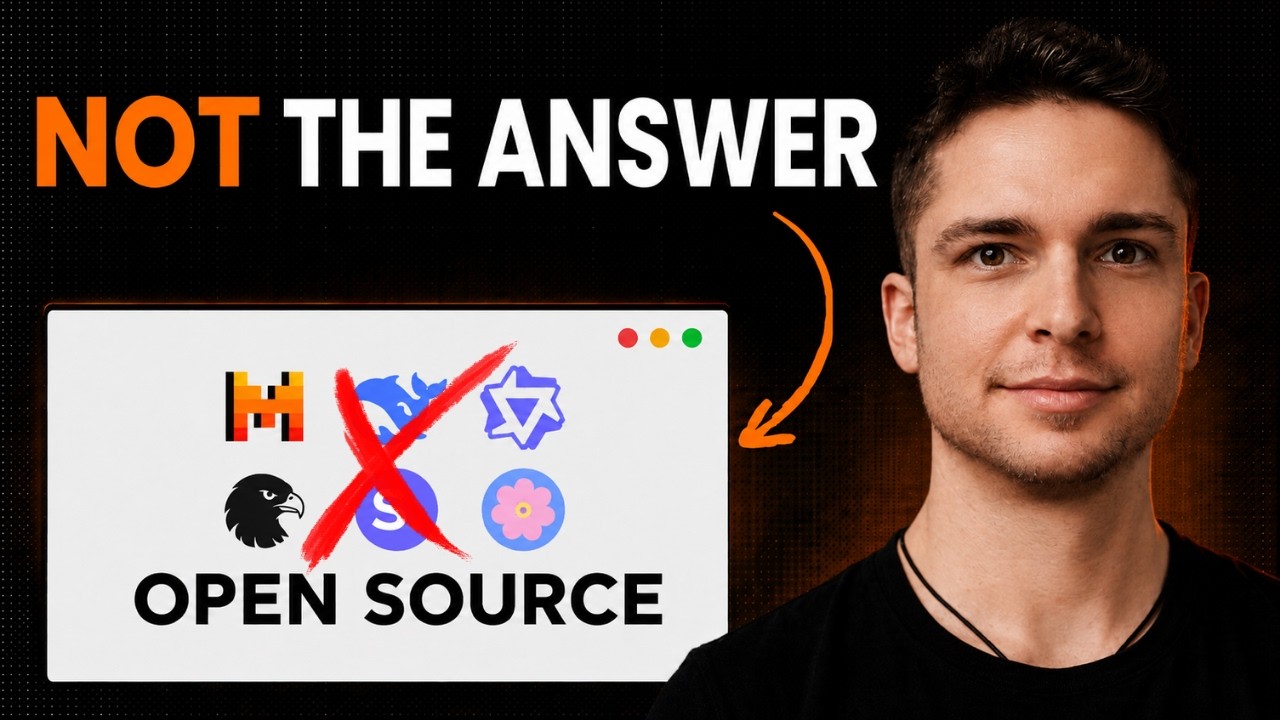
The video challenges the common narrative pushed by some influencers that users should immediately switch to open source AI models like Claude Fable 5 due to government restrictions or availability issues. The presenter argues that this panic-driven approach is misguided, especially for non-technical users who may not understand the complexities involved. Drawing from 12 years of consulting experience, the speaker emphasizes that rushing to adopt new software releases on day one is risky because new versions often contain bugs and security vulnerabilities. Instead, users should wait for patches and proper testing before integrating new AI models into their workflows.
A key point made is about the concept of “control” in AI usage, which the presenter breaks down into four categories: availability, data, cost, and behavior. While open source models promise greater control, they also transfer significant responsibilities to the user, such as maintaining uptime, security, and updates. The video highlights that availability issues are common across all cloud-based AI services, and self-hosting does not inherently solve these problems without proper infrastructure like failover systems. The presenter cautions against advising non-technical users to self-host AI models at home due to practical risks like power failures, hardware malfunctions, and lack of technical support.
Regarding data control, the video acknowledges that open source solutions can be beneficial for users with strict data compliance needs. However, most solo founders or small businesses do not require such stringent control, and self-hosting introduces new risks and responsibilities, including managing access controls, audits, and potential breaches. Cost control is another critical factor; hosted solutions offer predictable monthly fees, whereas self-hosting costs can fluctuate due to hardware depreciation, increased usage, and maintenance, making budgeting more challenging for businesses.
Behavior control is also discussed, with the presenter noting that vendor-hosted AI models typically include guardrails to prevent harmful or illegal outputs, protecting businesses from liability. Open source models, by contrast, require users to implement their own safety measures, which can be complex and risky. The video suggests that while open source AI might eventually become a viable option for everyone, it is not currently suitable for most businesses or non-technical users due to the significant operational burdens involved.
To conclude, the presenter offers six practical rules for managing AI adoption effectively: wait for patches before upgrading, always have a tested failover system, keep data context portable, thoroughly test new models before relying on them, understand and manage costs carefully, and treat open source as an emergency backup rather than a primary solution. By following these guidelines, users can avoid common pitfalls and maintain stable AI operations without unnecessary stress or risk. The video encourages viewers to focus on convenience and reliability rather than chasing full control prematurely.