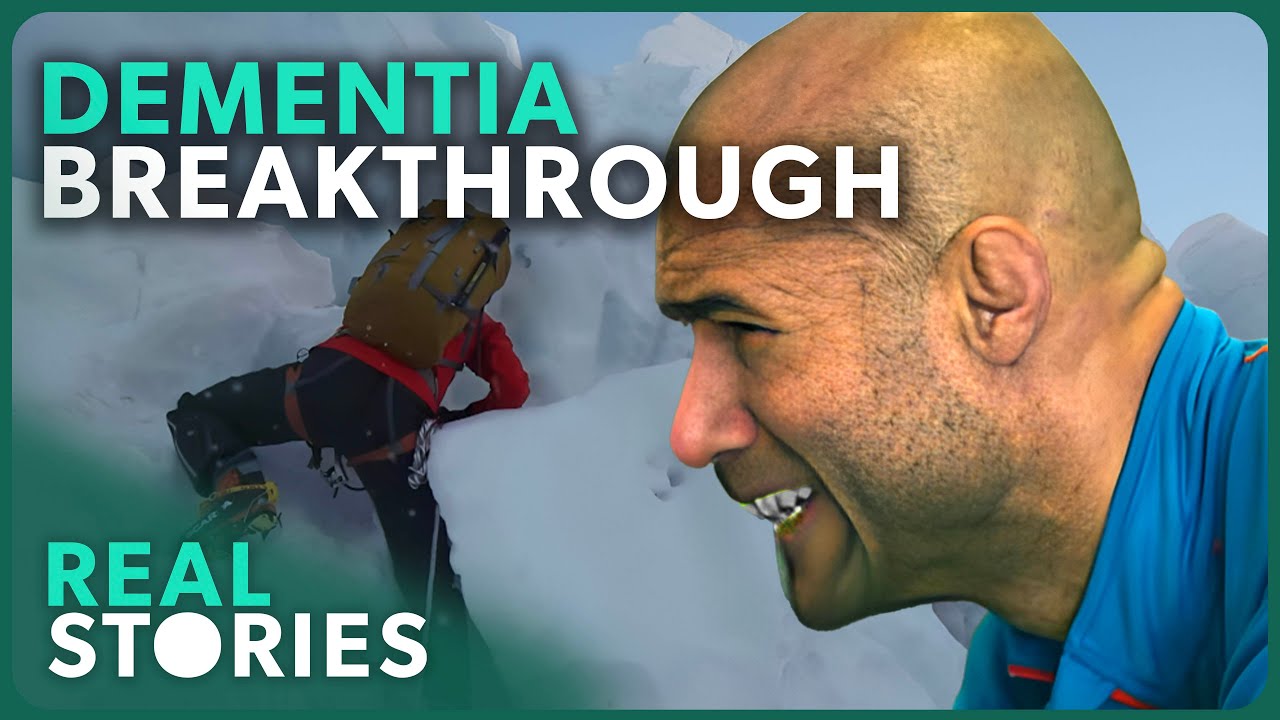
Richard Parks, a former rugby player turned extreme environment athlete, embarked on a challenging expedition to climb Mount Everest without supplemental oxygen. Having previously set a world record by skiing to both the North and South Poles and climbing the highest peaks on every continent, Richard’s new goal was not only a physical challenge but also a scientific experiment. At over 29,000 feet, the oxygen levels are only a third of those at sea level, making the climb perilous. His expedition aimed to explore how the body adapts to extreme altitude and whether exercise and acclimatization could help maintain cognitive function, potentially offering insights into preventing dementia.
Richard underwent intensive training at the Human Performance Lab in Reading, where his physical and cognitive functions were monitored under simulated high-altitude conditions. His team, including performance director Nikki Phillips and scientist Professor Damian Bailey, prepared him for the extreme environment. The expedition also had a personal motivation, as Richard had witnessed the devastating effects of dementia on a close family friend. The research focused on how increased blood flow and oxygen delivery to the brain through exercise might help delay or prevent cognitive decline, even in low-oxygen conditions.
The journey began with acclimatization treks through the Himalayas, including a climb of Island Peak at 20,300 feet, which served as a dry run for the Everest summit attempt. The team faced numerous challenges, from dangerous crevasse crossings to unpredictable weather and the physical toll of high altitude. Richard had to perform complex scientific tests, including muscle biopsies and cognitive assessments, under harsh conditions. Despite some difficulties, such as thickened blood making sampling harder, the team successfully collected valuable data during these preliminary climbs.
However, as Richard ascended higher on Everest, medical tests revealed that his body had produced an exceptionally high concentration of red blood cells, increasing the viscosity of his blood and putting him at significant risk of stroke or heart complications. This unexpected health risk forced him to abandon the summit attempt for his safety. Although deeply disappointed, Richard recognized that prioritizing health was essential. The data collected during the expedition still provided groundbreaking insights into how the body and brain respond to extreme altitude and exercise, contributing to ongoing dementia research.
In reflection, Richard expressed mixed emotions—pride in the scientific success and personal preparation, but also the lingering question of what might have been had he reached the summit. The expedition highlighted the brutal realities of high-altitude climbing and the delicate balance between ambition and safety. Importantly, the project underscored the potential link between physical exercise, acclimatization, and cognitive health, offering hope for future strategies to combat dementia, the fastest-growing illness in the Western world. Richard’s journey, though cut short, remains a powerful testament to human endurance and scientific exploration.