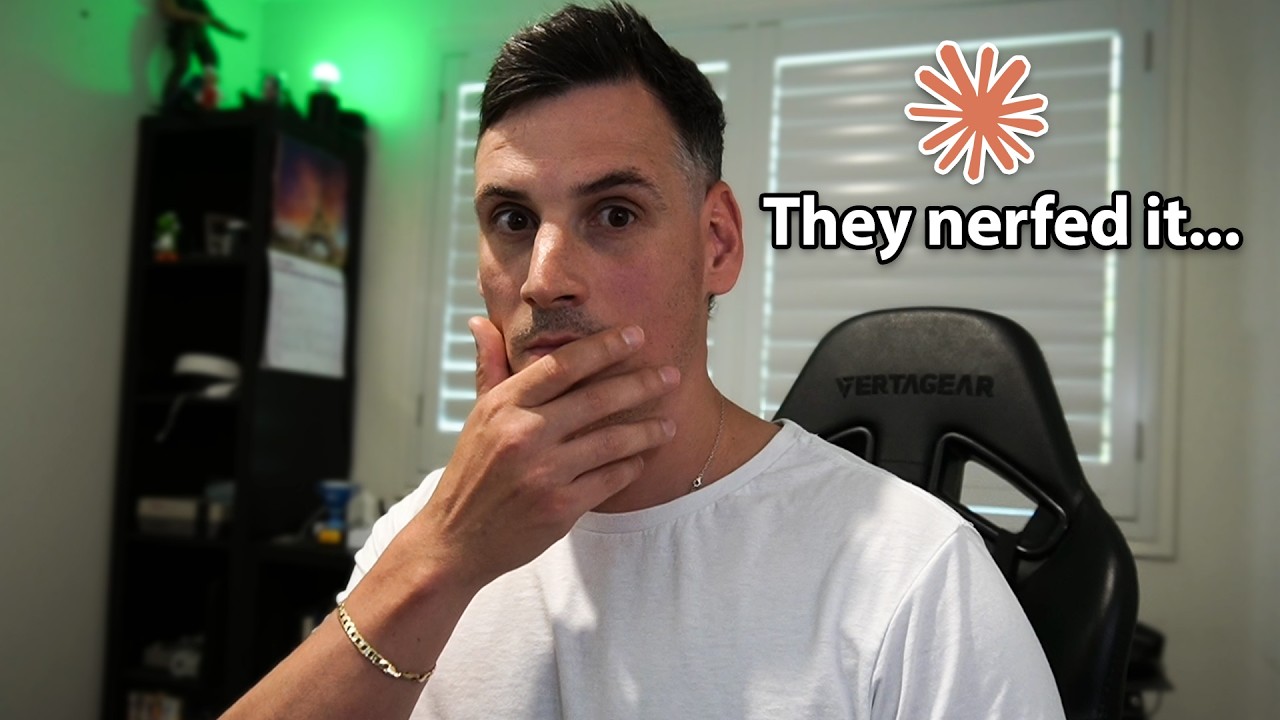
Recently, Anthropic, the company behind the AI models Claude, Opus 5.5, and Fable, has implemented new restrictions that significantly limit AI-assisted game cloning. This change comes amid a surge in game cloning and decompilation activities affecting both indie and AAA game developers. Notably, companies like Nintendo have seen their iconic games, such as Mario and Zelda, being cloned or ported to other platforms without authorization. Indie developers have also reported their unfinished games being stolen, rebranded, and redistributed, leading some to withdraw from events like Steam NextFest and others, like Lucas Pope, to withhold information about upcoming projects.
Anthropic’s updated rules explicitly prohibit recreating specific existing games, even if renamed or altered, and instead encourage building original games using users’ own designs and assets. This policy change has disrupted businesses relying on AI cloning workflows, with no exceptions allowed. While this move will likely deter casual or low-effort cloners seeking quick profits, it won’t stop determined individuals who can bypass restrictions using open-source models like Kim K3. Nonetheless, the new rules aim to reduce the prevalence of easy, unethical cloning practices that undermine genuine game development.
The video also clarifies the difference between porting and cloning. Porting involves adapting a game to run on a different platform, often for preservation purposes, whereas cloning entails copying a game with minimal changes and passing it off as original work. The latter is widely regarded as an unethical misuse of AI technology, damaging its reputation and the broader game development community. The recent rule changes by Anthropic appear to be a response to pressure from major companies like Nintendo, who have aggressively protected their intellectual property against unauthorized clones and ports.
Additionally, the video touches on broader industry implications, citing examples like Adobe’s creative suite being cloned and distributed for free, which threatens large corporations’ business models. Such incidents are likely to accelerate regulatory efforts, potentially leading to a market dominated by a few major AI providers like Anthropic and OpenAI, while open-source models face increasing restrictions. This trend could limit access to powerful AI tools for individual users and smaller developers, especially as hardware costs rise and supply constraints make running advanced models locally less feasible.
In conclusion, while Anthropic’s new restrictions on AI game cloning mark a significant shift aimed at protecting developers’ intellectual property, they also highlight ongoing tensions between innovation, accessibility, and corporate control in the AI space. The evolving landscape suggests a future where AI tools are more tightly regulated, potentially limiting creative freedom but also curbing unethical exploitation. Developers and users alike will need to navigate these changes carefully as the industry adapts to the challenges posed by AI-driven content creation.
Useful Links