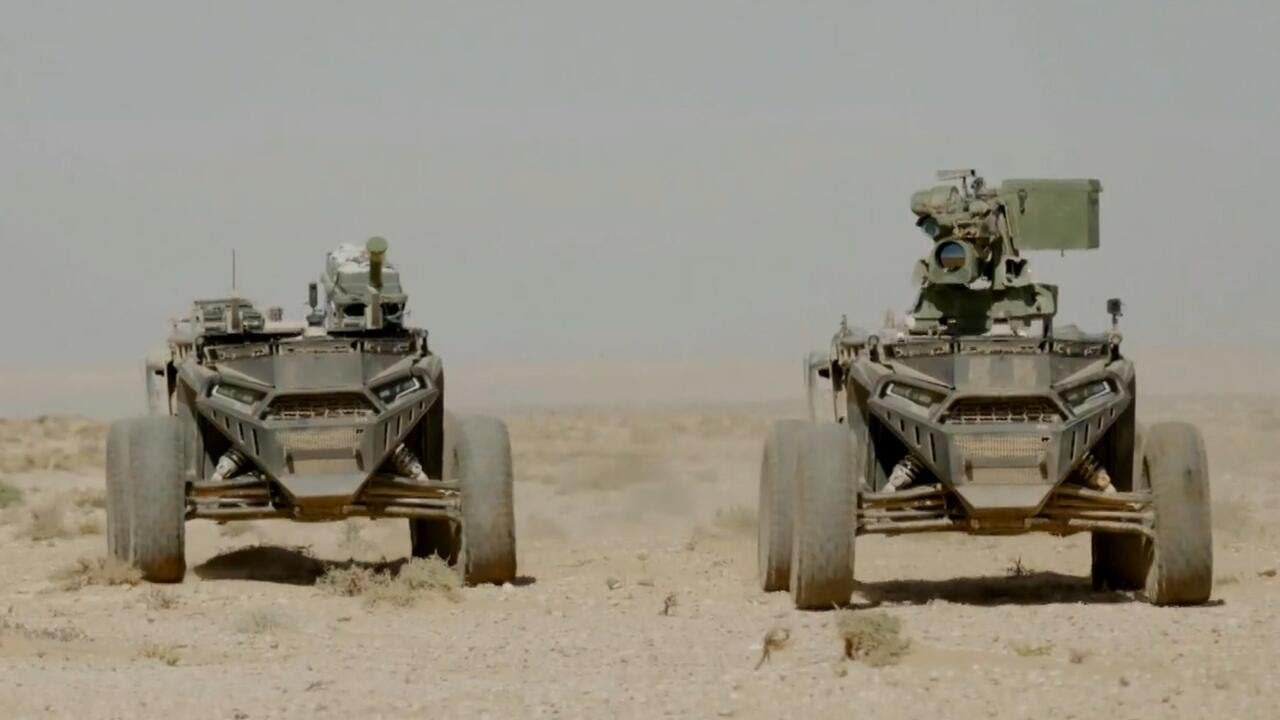
The US military is rapidly integrating AI into combat operations to accelerate decision-making and maintain a strategic edge, exemplified by autonomous systems used in large-scale war games in Africa. While this technological advancement offers significant advantages, it raises profound ethical concerns about the extent of human oversight in lethal decisions, prompting ongoing debates about balancing innovation, morality, and national security.
The use of artificial intelligence (AI) in warfare is rapidly advancing, with the US military aiming to become an “AI-first” fighting force by investing billions of dollars into the technology. AI is increasingly integrated into battlefield operations, including in the Moroccan desert where the US military is conducting its largest war games in Africa. These exercises showcase AI-powered systems, such as autonomous “killer robots,” which assist in making critical decisions about when and what to strike, significantly speeding up the traditional kill chain process from hours or days to mere seconds.
The concept of the kill chain—the time between identifying a target and striking it—is being transformed by automation and AI. While this technological leap offers strategic advantages, it also raises ethical and operational questions about the role of humans in lethal decision-making. The key debate centers on whether AI systems should be allowed to make autonomous lethal decisions or if a human must always remain “in the loop” to authorize the use of deadly force.
General Dagvin Anderson, commander of US Africa Command, acknowledges that battlefield technology is evolving faster than the ethical frameworks governing its use. He explains that the necessity of having a human in the loop depends on the situation, noting that many defensive systems are already automated and that the distinction between offensive and defensive actions can be unclear. The military aims to anticipate various scenarios to make informed decisions about when and how to integrate human oversight in AI-driven combat systems.
The ethical concerns surrounding AI in warfare are significant, with critics describing the outsourcing of lethal decisions to machines as “ghoulish.” General Anderson empathizes with these concerns but argues that failing to adopt AI technology would be unwise, as adversaries are likely to develop and deploy similar capabilities. He emphasizes the importance of maintaining a competitive edge while carefully considering the moral implications of AI in combat.
Ultimately, the integration of AI into military operations represents a pivotal moment in history, comparable to the industrial revolution or the development of the atomic bomb, according to the general. The critical question now is how much control humans and the US government are willing to relinquish to AI systems in warfare, balancing technological advancement with ethical responsibility and national security.