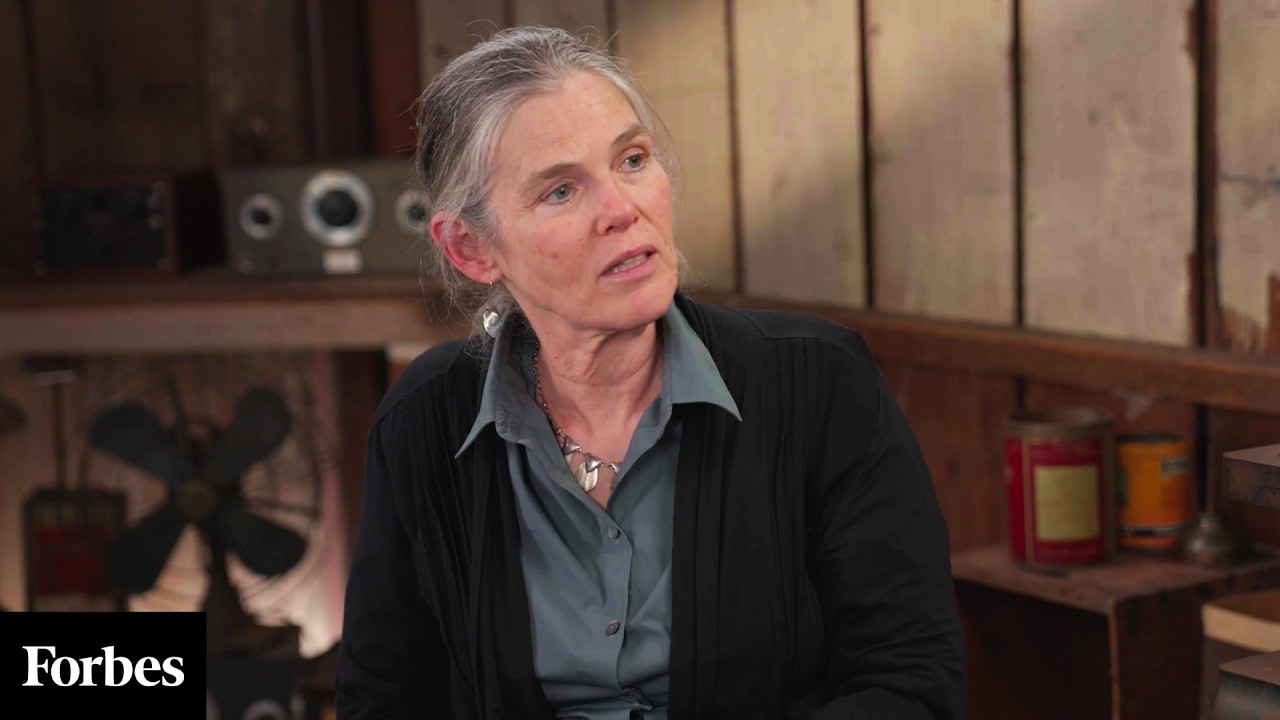
The speaker reflects on their early exposure to computers during high school in Israel, which sparked a lifelong fascination with using technology to model and understand complex real-world problems. After completing military service as an intelligence analyst, where they honed skills in Bayesian reasoning and piecing together incomplete information, they pursued advanced studies in AI and machine learning. A pivotal moment came during their postdoctoral work at UC Berkeley when they realized that while their research was mathematically elegant, it lacked direct real-world applications. This realization motivated a shift toward applying AI to impactful domains like biology and medicine.
The founding of Coursera marked a significant departure from traditional academic paths, driven by a desire to democratize education and create broad societal impact. Despite initial skepticism from peers, the platform grew to serve over 150 million learners worldwide, many from developing countries and non-traditional educational backgrounds. The experience highlighted challenges in online learning engagement and completion rates, leading to strategic decisions such as charging for certificates to increase commitment. The speaker emphasizes that lifelong learning is essential and that education should extend beyond formal institutions to empower individuals globally.
Regarding AI’s rapid advancement, the speaker acknowledges witnessing an exponential growth curve in capabilities, particularly in computer vision and language models, though they did not fully anticipate the swift emergence of large language models. They discuss the transformative impact of AI breakthroughs like AlphaFold, which revolutionized protein structure prediction by leveraging massive, high-quality biological data. This success reinforced their approach at Insitro, a company focused on generating large-scale biological data to train AI models tailored for life sciences, aiming to accelerate drug discovery and disease understanding.
The conversation touches on the speaker’s work in ALS research, where AI-driven analysis of motor neurons has identified promising therapeutic targets that could modify disease progression. While cautious about claiming a cure, they express hope that these advances will significantly improve patient outcomes. They also discuss the concept of “virtual humans,” AI models designed to predict biological responses to interventions, which could streamline drug development by forecasting clinical trial results more accurately, thereby reducing costs and risks associated with human testing.
Looking forward, the speaker encourages the next generation to harness imagination, perseverance, and sound judgment to build meaningful innovations, emphasizing that today’s technology shortens the gap between idea and realization. Reflecting on their immigrant experience and the American Dream, they highlight the opportunities available to those willing to take risks and pursue impactful work. They express optimism about humanity’s future collaboration with technology, envisioning AI as a powerful partner in creating a healthier, safer, and more equitable world, while cautioning that this potential must be guided by ethical considerations to avoid misuse.