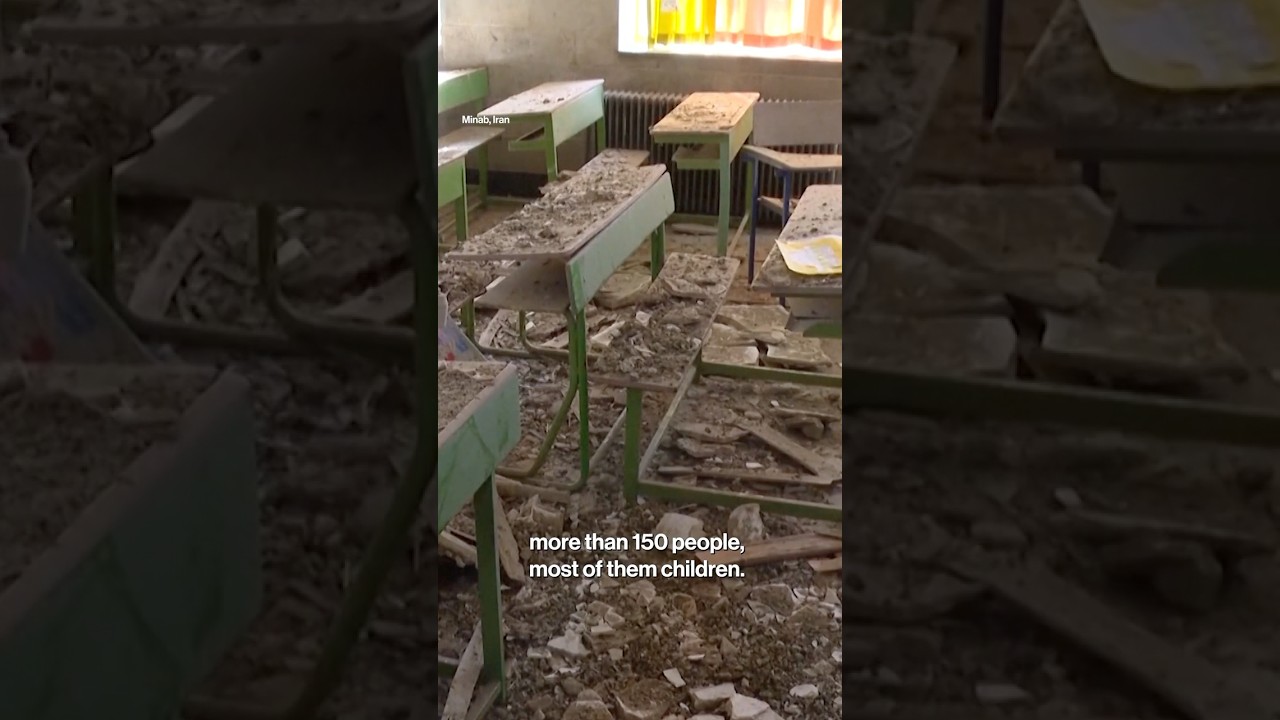
Dario Amodei clarified that while the AI model Claude assists in US military operations, final lethal decisions are always made by human operators, emphasizing the importance of human oversight to prevent tragic errors like the missile strike on the girls’ school in Iran. He acknowledged the ethical challenges of AI in warfare, advocating for strict limits and safeguards to avoid misuse and accidental escalation, while expressing cautious optimism about AI’s potential to help prevent large-scale conflicts.
Dario Amodei addressed reports that Claude, an AI model, was used by the US military in AI-assisted targeting during strikes in Iran, including a tragic missile attack on a girls’ school that killed over 150 people. He stated that it is unclear exactly how these AI models were employed in such operations. Amodei emphasized the severity of mistakes in warfare and highlighted that his company has taken significant risks to limit the misuse of their AI technologies. He noted that the reported use case did not violate the company’s established red lines, but expressed concern about potential future uses that could cross ethical boundaries.
Amodei clarified that Claude’s role in military operations is to assist rather than make final decisions. He stressed that a human operator always makes the ultimate call in these situations, not the AI itself. He warned against a hypothetical scenario where an AI model autonomously makes lethal decisions without human oversight, which his company actively opposes. This distinction is crucial to understanding the current deployment of AI in military contexts and the safeguards his company supports.
When questioned about the failure to identify the girls’ school, which had a publicly accessible website, Amodei reiterated the importance of human judgment in the decision-making process. He acknowledged that while AI can assist, it is ultimately the human’s responsibility to verify and make final decisions. This incident, he argued, underscores why maintaining human control over AI-assisted military actions is essential to prevent tragic errors.
Regarding the broader implications of AI in warfare, Amodei expressed cautious optimism that AI could help prevent large-scale conflicts such as a potential World War III between the US and China. However, he warned that without strict limits and oversight, AI technology could increase the risk of accidental escalation and misunderstandings between nations. He referenced the concept of automated doomsday devices from popular culture to illustrate the dangers of unchecked AI in military systems.
In conclusion, Amodei’s remarks highlight the complex ethical and practical challenges of integrating AI into military operations. While AI can provide valuable assistance, the necessity of human oversight remains paramount to avoid catastrophic mistakes. His company’s stance is to enforce strict boundaries on AI use in warfare to ensure that lethal decisions are never fully automated, aiming to balance technological advancement with moral responsibility and global security.