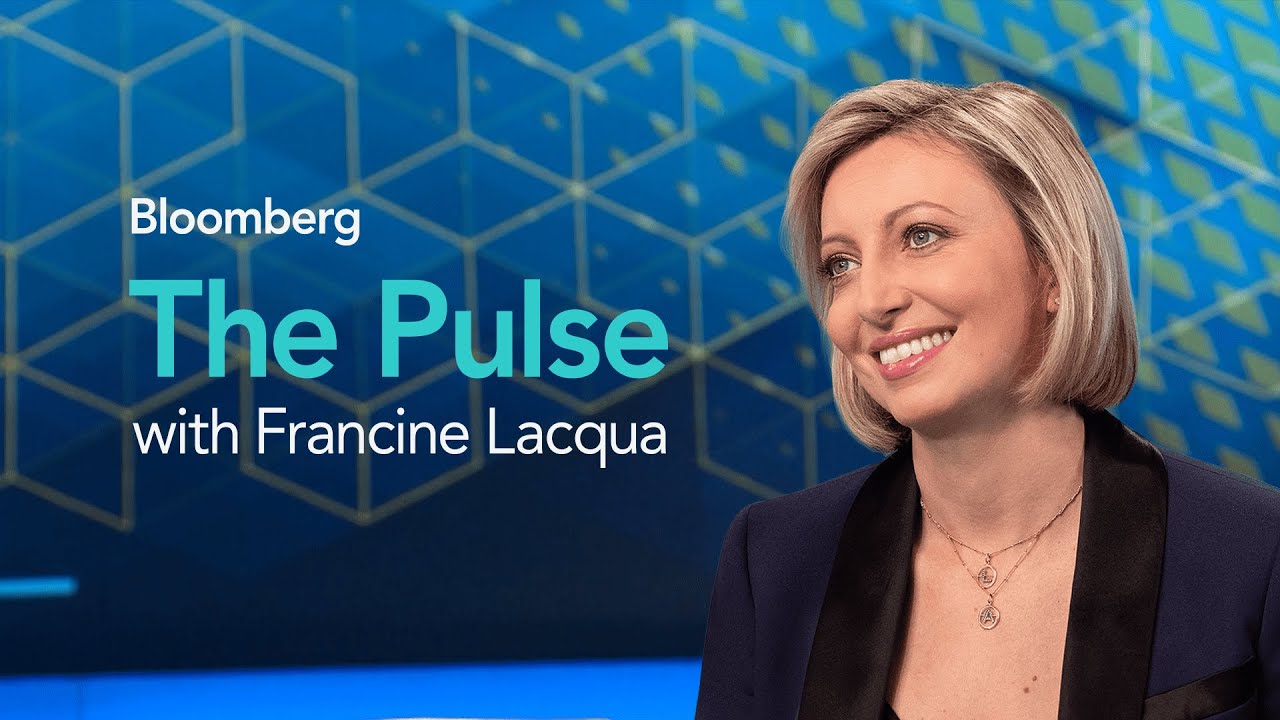
The episode of “The Pulse” hosted by Francine Lacqua covers a range of topics at the intersection of technology, finance, and global markets. The show opens with a discussion of President Trump’s State of the Union address, noting its lack of new policy proposals and focus on past achievements. The conversation then shifts to the tech sector, particularly the role of AI companies like Anthropic and the market’s anticipation of Nvidia’s earnings, highlighting the volatility and high expectations in the AI-driven tech rally.
A central segment features Bruce Flatt, CEO of Brookfield Corporation, who addresses concerns about potential contagion in private credit markets and the broader impact of AI on financial stability. Flatt emphasizes that current issues in private credit and software loans are minor compared to the overall size of global credit markets, and he reassures viewers that the financial system is fundamentally sound, with strong bank balance sheets and resilient real estate sectors. He draws a clear distinction between today’s environment and the systemic risks that led to the 2008 financial crisis, suggesting that fears are often amplified by rapid technological change rather than underlying economic weakness.
Flatt also discusses Brookfield’s strategy in building infrastructure for the AI revolution, such as data centers and power facilities, comparing these investments to the foundational infrastructure projects of previous decades. He notes that demand for AI infrastructure is robust and largely contracted with creditworthy clients, minimizing the risk of overcapacity. Flatt further explains Brookfield’s approach to opening private markets to retail investors, stressing the importance of careful structuring and long-term planning to avoid systemic risks.
The program then features a panel of economists and strategists who analyze global market trends, currency movements, and the impact of AI on macroeconomic conditions. They agree that while there are significant uncertainties—such as trade tensions, AI-driven disruptions, and geopolitical risks—the global economy has shown resilience and is likely to continue growing. The panelists caution that the concentration of AI investment in the U.S. could create future imbalances, but they do not see immediate systemic threats from current developments in credit or technology markets.
Finally, Teresa Carlson, President of the General Catalyst Institute, offers a venture capital perspective on AI’s rapid adoption and the policy challenges it presents. She argues that the pace of AI innovation is likely underestimated and stresses the need for policymakers to better understand and support technological change. Carlson highlights the competitive dynamic between the U.S. and China in AI, the importance of talent and capital in the West, and the necessity for regulatory frameworks that enable faster adoption. Overall, the episode presents a cautiously optimistic view of the intersection between AI, finance, and global markets, emphasizing long-term opportunity over short-term fear.