In this video, Eli, the computer guy, discusses the current state of the technology industry, focusing on how artificial intelligence (AI) is reshaping hardware demand and impacting companies like Dell and Hewlett Packard Enterprise (HPE). He begins by highlighting the uneven nature of the tech industry, where some niches thrive while others struggle. Using the example of game development in Hunt Valley, Maryland, Eli illustrates how oversupply of talent willing to work for lower wages can depress earnings in certain sectors. He then contrasts this with the booming AI sector, where companies involved in AI development and deployment are seeing outsized returns and increased hardware consumption.
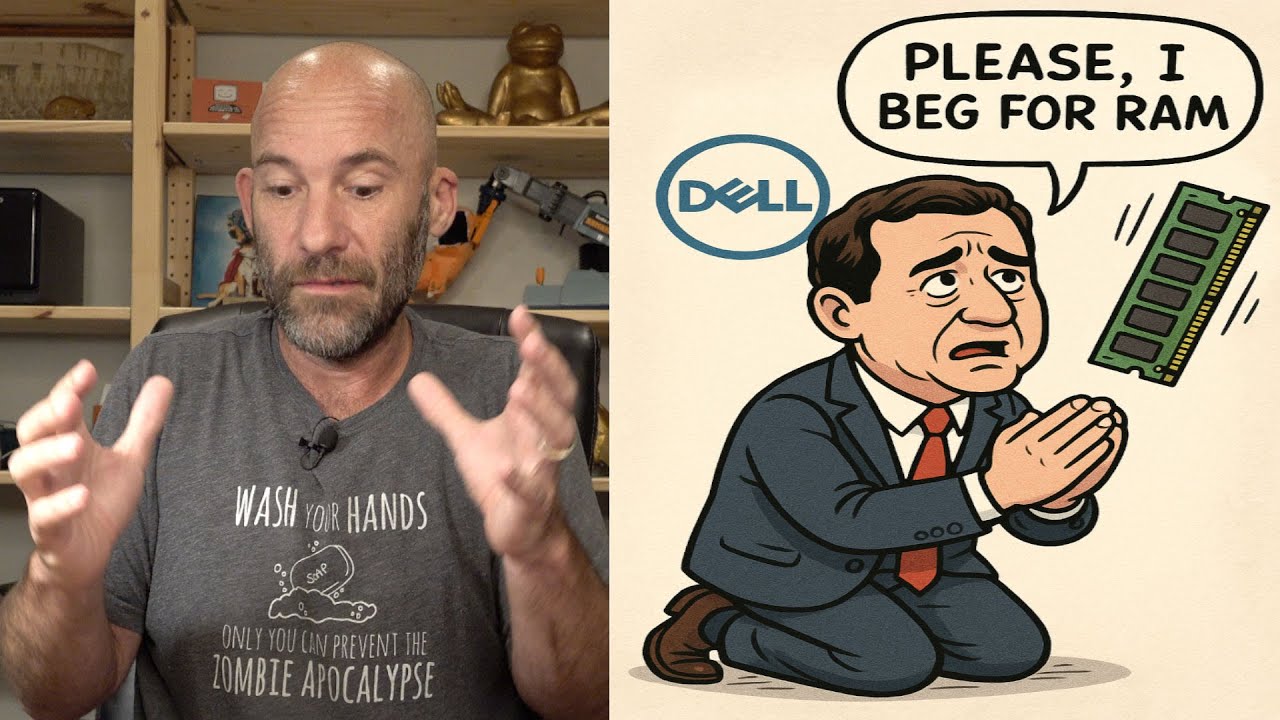
Eli explains that AI is driving unprecedented demand for computer hardware, especially GPUs, RAM, CPUs, storage, and power supplies. This surge is causing shortages and price increases across the board, affecting not only high-end AI servers but also the broader PC and enterprise hardware markets. As AI companies are willing to pay premium prices, hardware manufacturers are prioritizing these customers, which leaves traditional buyers facing higher costs and limited supply. This dynamic is hurting companies like Dell and HPE, whose stock prices have recently dropped following downgrades by Morgan Stanley due to concerns about rising memory costs and supply constraints.
The video delves into the financial implications for hardware manufacturers, noting that rising prices for DRAM and NAND memory are squeezing profit margins. Eli points out that during previous memory price cycles, companies like Dell experienced significant margin contractions because they could not fully pass increased costs onto customers. With memory fulfillment rates potentially falling to as low as 40%, these companies face both supply shortages and profitability challenges. Analysts warn that these pressures could continue for the next 12 to 18 months, making the environment particularly difficult for OEMs reliant on memory components.
Eli also criticizes the AI industry’s current behavior, describing it as a form of fraud where companies buy excessive hardware to appear successful without actually deploying or utilizing it effectively. He cites Microsoft CEO Satya Nadella’s admission that many GPUs and servers are sitting idle due to lack of capacity to power them up. This artificial demand is draining hardware resources from the broader market, exacerbating shortages and price hikes. Eli warns that this trend could have long-term negative effects on the tech ecosystem, forcing enterprises to reconsider their hardware refresh cycles and potentially extend the lifespan of existing equipment.
Finally, Eli suggests that the challenges posed by AI-driven hardware demand and rising costs might prompt a shift in enterprise IT strategies. He encourages tech decision-makers to rethink their infrastructure and consider alternatives like Linux, especially given the increasing hardware requirements and restrictions of newer operating systems like Windows 11. He emphasizes the importance of adapting to changing technology landscapes rather than clinging to legacy systems. The video concludes with an invitation to support Silicon Dojo, Eli’s hands-on tech education initiative, and a call for viewers to share their thoughts on the evolving tech industry dynamics.