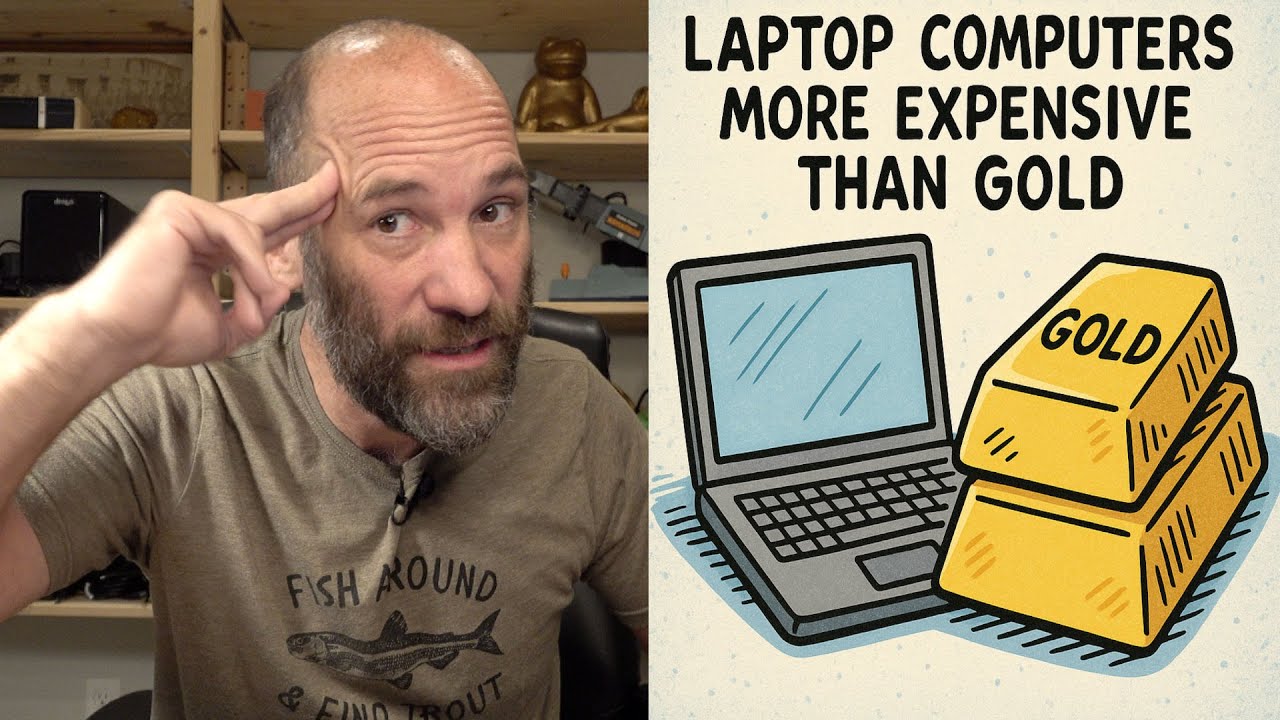
In this video, Eli the Computer Guy discusses the recent announcement that Dell is increasing prices for its commercial laptops and desktops by up to 30%, primarily due to a global RAM shortage driven by the massive demand from artificial intelligence (AI) hyperscalers. He highlights that this price hike will affect corporate customers starting December 17th, with no guarantee that ordering today will lock in current prices. The increase is especially significant for machines with higher RAM and SSD storage capacities, with some devices seeing price jumps of several hundred dollars. Even monitors and GPU upgrades are expected to become more expensive, despite not containing RAM or flash memory.
Eli attributes much of the hardware shortage and price inflation to the enormous capital expenditures being poured into AI development, particularly by figures like Sam Altman and large tech companies investing trillions into AI infrastructure. He criticizes this trend, arguing that AI companies with seemingly unlimited budgets are hoovering up hardware resources, leaving other businesses and sectors constrained. This intense demand is causing a ripple effect, making it harder and more expensive for companies that provide real value to access the technology and investment they need.
The video also touches on the practical implications of these price increases for corporate IT decision-makers. Eli explains that when hardware costs rise by 30%, it significantly impacts budgets, forcing companies to divert funds from other areas such as employee bonuses, additional hires, or even basic office supplies. He uses humorous examples like the quality of office coffee and toilet paper as indicators of a company’s financial health, emphasizing how rising tech costs can strain overall corporate resources. The increased prices mean that routine refresh cycles for laptops and servers become much more expensive, with no corresponding improvement in the products themselves.
Eli further discusses the long-term nature of the RAM shortage, citing industry forecasts that predict supply constraints lasting until 2028 or beyond. This ongoing scarcity means companies will need to rethink their IT strategies, including prioritizing repairability and maintainability of hardware to extend device lifespans. He suggests that tech professionals and decision-makers should consider buying computers that are easier to repair, such as those with replaceable screens, keyboards, and other components, to mitigate the impact of rising costs and supply issues.
In closing, Eli invites viewers to share their thoughts on the Dell price hikes and the broader AI-driven hardware shortage. He also promotes Silicon Dojo, his free hands-on technology education platform, and upcoming classes focused on AI and programming. Despite the video running a bit longer than intended, Eli emphasizes the importance of staying informed about these industry changes and adapting to the evolving tech landscape shaped by AI’s growing influence.